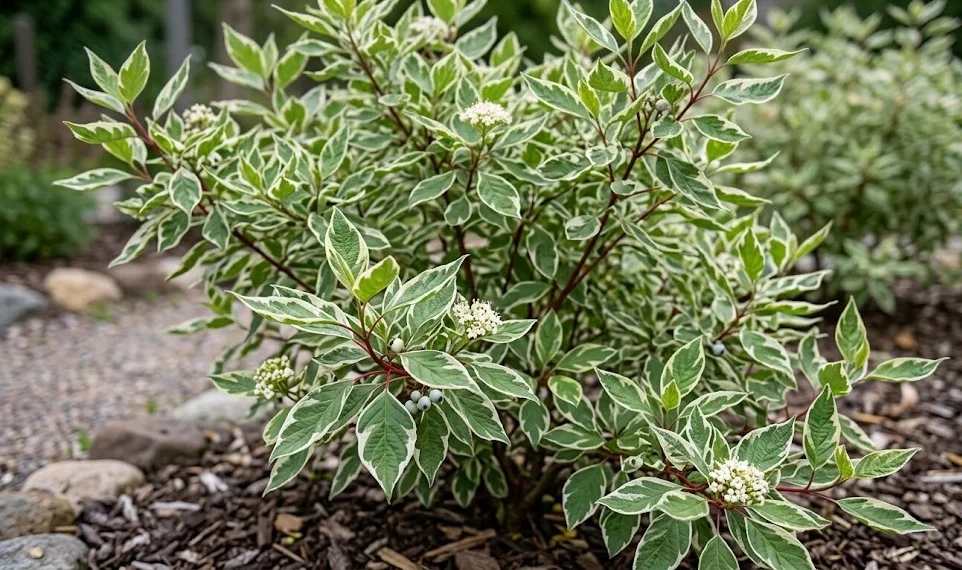

Maintaining the proper balance of moisture and nutrients is fundamental to the professional management of the variegated dogwood throughout its life. This shrub is naturally found in moist woodland edges and thickets, meaning it has a biological preference for consistent hydration. In a garden setting, replicating these conditions requires a thoughtful watering strategy that adjusts to the changing seasons and local weather patterns. Proper fertilization complements this by providing the building blocks for the vibrant foliage and the intense red stem color that defines the variety.
During the initial establishment phase, watering is the single most important factor for the survival of the young shrub. The root system must be kept moist as it expands into the surrounding soil, which often requires more frequent attention than established plants. Even once the plant is mature, it does not tolerate extended periods of drought well and will quickly show signs of stress if left dry. A professional approach involves deep watering that reaches the entire root zone rather than frequent, shallow sprinkling that only wets the surface.
Fertilization should be handled with a focus on supporting the plant’s natural growth cycle without forcing excessive, weak growth. The goal is to provide enough nutrients to maintain the health of the white leaf margins and ensure the plant has the energy for its winter display. Over-fertilizing can lead to a loss of variegation or make the plant more attractive to certain pests that thrive on succulent new tissue. By understanding the specific needs of this cultivar, you can tailor your feeding program to achieve the best aesthetic and structural results.
Combining consistent watering with a targeted fertilization plan creates a robust plant that can better withstand environmental challenges. Healthy, well-nourished dogwoods are more resistant to diseases and recover more quickly from pruning or minor pest damage. It is also important to observe the plant’s physical response to your care routine and make adjustments as necessary based on its appearance. Through careful monitoring and professional intervention, you can ensure your variegated dogwood remains a standout feature in any professional agricultural or gardening project.
Establishing a watering routine
A professional watering routine for the variegated dogwood begins with understanding the specific soil and light conditions of the site. Shrubs planted in full sun will naturally lose moisture more quickly through their leaves and will require more frequent watering than those in partial shade. The type of soil also plays a huge role, as sandy soils drain rapidly while clay soils hold onto water for much longer periods. Developing a schedule that accounts for these variables ensures that the plant never experiences the extremes of being bone dry or completely waterlogged.
More articles on this topic
The best time of day to water is in the early morning, which allows the foliage to dry quickly and reduces the risk of fungal issues. If using a sprinkler system, ensure that the water is reaching the base of the plant and penetrating several inches into the ground. For a more efficient and professional approach, drip irrigation or soaker hoses are ideal as they deliver water directly to the root zone with minimal waste. This method also keeps the leaves dry, which is particularly beneficial for maintaining the health of variegated foliage.
During the peak of summer, you may need to increase the frequency of watering to compensate for high temperatures and increased evaporation. It is often helpful to use a simple soil moisture meter or the traditional “finger test” to check the conditions before adding more water. If the leaves start to droop slightly in the heat of the afternoon but recover by morning, the plant is likely managing its water well. However, if the leaves stay wilted or the edges start to turn brown and crispy, more immediate and deep hydration is required.
In the autumn, as the plant prepares for dormancy, the watering frequency can gradually be reduced as the cooler temperatures and shorter days slow down transpiration. However, it is essential to ensure the plant goes into the winter with adequate moisture in its root system. Dry autumns can be particularly hard on shrubs, so supplemental watering may still be needed until the ground actually freezes. Providing this late-season hydration helps the plant survive the drying winds of winter and emerge healthy in the spring.
Nutritional needs and fertilizing strategies
The nutritional management of the variegated dogwood should focus on maintaining a steady supply of essential elements throughout the growing season. A balanced, slow-release fertilizer with an N-P-K ratio like 10-10-10 or 12-12-12 is often the most effective choice for general maintenance. Applying this in early spring just as the new growth begins provides the energy needed for the initial flush of leaves and stems. Spread the fertilizer evenly over the root zone, starting a few inches from the trunk and extending out to the drip line.
More articles on this topic
In many garden soils, a single application of fertilizer in the spring is sufficient to keep the variegated dogwood healthy and productive. However, if your soil is particularly poor or sandy, a second light application in early summer might be beneficial to support continued growth. It is crucial to avoid any fertilization after mid-summer, as this can stimulate new growth that will not have time to harden off before the first frost. This tender growth is very likely to be killed by winter temperatures, leading to unsightly dieback and potential entry points for disease.
Organic options such as well-composted manure or leaf mold are excellent alternatives to synthetic fertilizers and offer long-term benefits to soil structure. These materials release nutrients slowly as they break down and also help the soil retain moisture, which is perfect for a water-loving shrub like the dogwood. Applying a layer of compost every spring can often replace the need for granular fertilizers entirely in established landscapes. This natural approach supports a healthy soil ecosystem which in turn fosters a more resilient and self-sustaining plant.
Always water the plant thoroughly after applying any type of fertilizer to help transport the nutrients into the soil where the roots can access them. If the shrub shows signs of nutrient deficiency, such as yellowing leaves or stunted growth, it may be worth conducting a professional soil test. This will help you identify exactly which minerals are lacking and allow for a more precise and effective correction. By taking a scientific and professional approach to nutrition, you ensure that the variegated dogwood maintains its characteristic beauty year after year.
Signs of water and nutrient stress
Recognizing the early signs of stress is a critical skill for anyone managing the health of ornamental shrubs like the variegated dogwood. When the plant is not receiving enough water, the most common symptom is wilting of the young, tender growth at the tips of the branches. If the drought continues, the white margins of the leaves will often turn brown and brittle, a condition known as leaf scorch. In extreme cases, the plant may drop its leaves prematurely as a survival mechanism to conserve what little moisture it has left.
Conversely, overwatering or poor drainage can also cause significant stress and lead to symptoms that sometimes mimic drought. If the roots are sitting in saturated soil for too long, they can begin to rot and lose their ability to take up water and nutrients. This often manifests as yellowing of the lower leaves and an overall decline in the plant’s vigor. If the soil feels constantly muddy or has a foul odor, it is a clear sign that the drainage must be improved or the watering frequency reduced immediately.
Nutrient deficiencies often show up as specific patterns of discoloration on the foliage, which can be interpreted by an observant gardener. For example, a lack of nitrogen typically results in an overall pale or yellowish-green appearance of the entire leaf. On the other hand, deficiencies in minerals like iron or manganese can cause interveinal chlorosis, where the veins remain green while the rest of the leaf turns yellow. Because this is a variegated variety, these symptoms can sometimes be harder to spot, making regular close inspections even more important.
When stress is identified, the first step should always be to address the most likely environmental cause before reaching for chemical solutions. Adjusting the irrigation schedule or improving the soil structure often solves the majority of health issues for the variegated dogwood. If the problem persists despite these changes, it may be time to consult with a professional arborist or horticulturist for a more detailed diagnosis. Early intervention based on accurate observation is the key to maintaining a professional-grade landscape specimen.
Seasonal adjustments for optimal growth
The needs of the variegated dogwood are not static and change significantly as it moves through its annual growth cycle. In the spring, the primary focus is on providing enough nitrogen and moisture to support the rapid development of new leaves and stems. This is the time when the plant is most active, and any deficiencies during this period will be visible for the rest of the year. Ensuring the soil stays consistently moist during the spring flush is essential for achieving the largest and most vibrant foliage possible.
As the weather turns hot and dry in the summer, the strategy shifts toward preservation and stress management. Watering becomes the priority, often requiring deeper and more frequent applications to keep the root zone cool and hydrated. Fertilization should be scaled back or stopped entirely during the hottest weeks to avoid stressing the plant further. Mulching is particularly effective during this season as it acts as an insulating layer for the roots and reduces the amount of water lost to evaporation.
In the autumn, the goal is to help the plant transition into its dormant state successfully and prepare for the winter display. Watering should continue if the weather remains dry, but the frequency can be reduced as the plant’s metabolic rate slows down. This is also the time to observe the stem color and decide if any supplemental nutrients might be needed the following spring to enhance the red bark. Removing any late-season weeds from around the base of the shrub prevents competition for the moisture that is available during the fall.
Winter care is minimal in terms of watering and fertilization, but the foundations for the next year are being set during this time. The moisture levels in the soil before it freezes will dictate how well the plant handles the drying winter winds. Since no fertilization occurs in winter, it is a good time to review the plant’s performance from the previous year and plan any changes to the care routine. By following this professional seasonal approach, you provide the variegated dogwood with the specific support it needs at every stage of its life.
Long-term soil management for shrubs
A professional approach to gardening involves looking beyond the current season and focusing on the long-term health of the soil. For the variegated dogwood, this means maintaining a soil environment that is rich in organic matter and has a stable, beneficial microbial population. Over time, synthetic fertilizers can sometimes lead to a buildup of salts or a decline in soil structure if not managed carefully. Incorporating organic amendments regularly helps to mitigate these issues and keeps the soil “alive” and productive for the plant’s entire lifespan.
Mulching with natural materials like wood chips, bark, or shredded leaves is one of the best ways to improve soil quality over several years. As the mulch decomposes, it adds valuable humus to the soil, which improves both drainage and nutrient retention. This process mimics the natural forest floor environment where dogwoods evolved, creating a familiar and supportive habitat for the roots. Replacing the mulch layer annually or every other year ensures that this beneficial cycle continues without interruption.
Periodic soil testing is a hallmark of an expert maintenance program and should be performed every three to five years. This provides a baseline of information about the pH and nutrient levels, allowing you to make informed decisions about any necessary adjustments. For example, if the soil becomes too alkaline, it can interfere with the plant’s ability to take up iron, leading to unsightly leaf yellowing. Knowing the exact state of your soil allows you to be proactive rather than reactive in your care of the variegated dogwood.
Finally, consider the impact of surrounding landscape features on the soil environment of your dogwood. Competition from large tree roots or runoff from nearby paved surfaces can significantly alter the moisture and nutrient availability in the shrub’s root zone. Managing these external factors is just as important as the direct care you provide to the plant itself. By taking a holistic and professional view of soil management, you ensure that the variegated dogwood remains a healthy and beautiful part of your garden for decades.