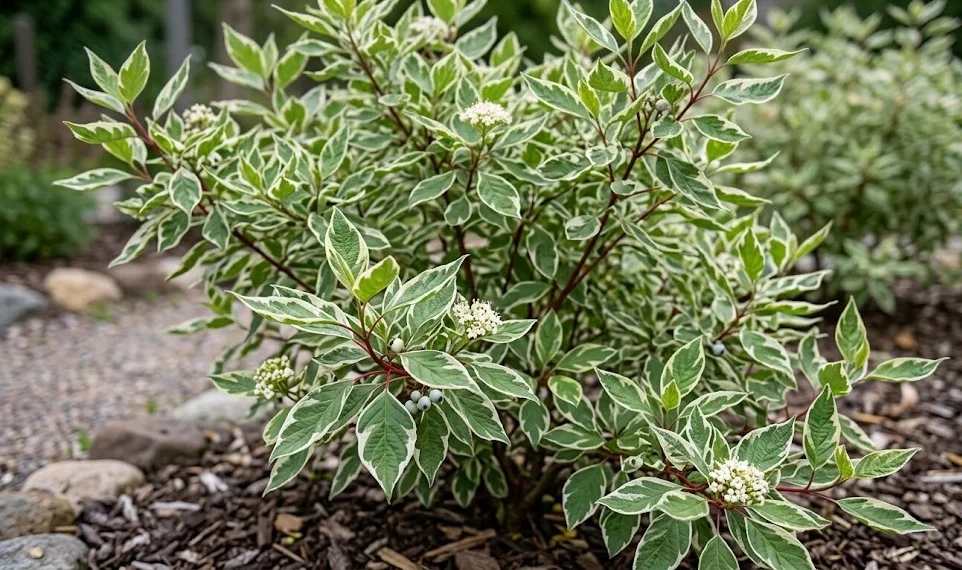

Successful establishment of the variegated dogwood begins with a thorough understanding of the planting process and the specific requirements of this ornamental shrub. Choosing the correct time of year and preparing the site properly are the most important factors in ensuring the roots take hold quickly and the plant thrives. Typically, the best time to plant is during the dormant season, either in early spring before the buds break or in late autumn after the leaves have fallen. This timing allows the shrub to focus its energy on root development without the stress of supporting active foliage or enduring summer heat.
Before you begin the planting process, it is essential to inspect the nursery stock for health and vigor. Look for plants that have a well-balanced structure and shows no signs of significant pests or mechanical damage to the stems. If you are using container-grown plants, check that the roots are not circling tightly within the pot, as this can lead to long-term girdling issues. Preparing the plant by gently loosening any bound roots will encourage them to grow outward into the surrounding soil once planted.
The planting hole itself should be dug twice as wide as the root ball but no deeper than the depth at which the plant was growing in its container. Digging a wide hole loosens the soil in the immediate area, making it much easier for new roots to penetrate and expand. It is often recommended to leave the bottom of the hole firm to prevent the plant from settling too deeply over time. Planting at the correct depth is vital, as burying the stem too deep can lead to rot and poor oxygen availability for the root system.
Once the shrub is placed in the hole, the backfill soil should be returned and firmed gently to remove large air pockets. Watering the plant thoroughly during the backfilling process helps to settle the soil around the roots and provides immediate hydration. A layer of organic mulch applied after planting will help conserve moisture and protect the newly disturbed soil from erosion. By following these professional steps, you provide the variegated dogwood with the best possible start in its new landscape environment.
Advanced propagation techniques
Propagating the variegated dogwood is a rewarding way to increase your plant collection using material already present in your garden. The most common and successful method for this species is taking hardwood cuttings during the dormant season in late autumn or winter. Select healthy, straight stems from the current year’s growth that are about the thickness of a pencil for the best results. These cuttings are resilient and have a high success rate when handled with professional care and attention to detail.
More articles on this topic
Prepare the cuttings by making a straight cut just below a node at the base and a slanted cut at the top to help shed water. Each cutting should be approximately six to ten inches long and contain at least two or three sets of buds. For increased success, the base of the cutting can be dipped in a rooting hormone to stimulate the development of new root tissue. Place the cuttings into a well-drained propagation medium or directly into a prepared nursery bed in a sheltered location.
Another effective method for propagating this shrub is through softwood cuttings taken in early to mid-summer. These cuttings are taken from the new, flexible growth of the current season and require more attention to humidity and moisture than hardwood cuttings. Because the leaves are still present, softwood cuttings must be kept in a humid environment to prevent them from drying out before roots can form. Using a misting system or a simple plastic cover can help maintain the necessary moisture levels for successful rooting.
Layering is a third professional technique that involves bending a low-growing branch down to the ground and wounding it slightly where it touches the soil. By pinning the branch to the earth and covering the wounded area with soil, you encourage roots to form while the branch is still attached to the parent plant. This method is slower than taking cuttings but is extremely reliable because the developing plant continues to receive nutrients and water from the original shrub. Once a strong root system has formed, the new plant can be severed and moved to its permanent location.
Soil preparation and site optimization
Creating the ideal soil environment is a professional necessity when planting a high-value ornamental like the variegated dogwood. This shrub performs best in fertile, loamy soils that stay consistently moist but do not become waterlogged. If your site has heavy clay, consider incorporating organic matter such as compost or aged manure to improve the structure and aeration. Conversely, in very sandy soils, organic amendments will help hold onto water and nutrients that would otherwise leach away quickly.
More articles on this topic
The orientation of the planting site can also influence the success of the shrub, particularly regarding the intensity of its variegation. While it is adaptable to various light conditions, a spot that receives morning sun and some afternoon shade is often ideal in hotter climates. This balance prevents the delicate white leaf margins from scorching while still providing enough light for the plant to produce vibrant red winter stems. Observation of the sunlight patterns throughout the day will help you choose the most effective location for the plant’s health.
It is also important to consider the ultimate size of the variegated dogwood when choosing its initial planting spot. Without regular heavy pruning, this shrub can reach a significant width and height, potentially crowding out smaller neighbors. Professional site planning involves looking ahead five to ten years to ensure the plant has the space it needs to grow without constant intervention. Good air circulation around the mature plant is also a key factor in preventing common leaf diseases that thrive in stagnant conditions.
Before actually placing the plant in the ground, ensure the site is free of aggressive perennial weeds that could compete with the new shrub. Deeply tilling the area and removing as many weed roots as possible will save a significant amount of maintenance work later on. If the soil is particularly poor, a light application of a balanced starter fertilizer can be mixed into the backfill soil. Taking these extra steps during the preparation phase ensures that the variegated dogwood can focus all its energy on establishing a robust root system.
Initial care after planting
The first few months after planting are the most critical period for the long-term survival and health of the variegated dogwood. Consistent watering is the most important task, as the root system is not yet large enough to find water deep in the soil. The soil should be kept evenly moist but never saturated, which usually means watering deeply once or twice a week depending on the weather. Checking the soil moisture by hand just below the surface is the most reliable way to determine when the plant needs more water.
Monitoring the plant for signs of transplant shock is also an essential part of professional post-planting care. Some minor wilting or leaf drop can occur as the plant adjusts to its new environment, but this should be temporary if watering is adequate. Avoid the temptation to apply heavy amounts of nitrogen fertilizer immediately after planting, as this can force leaf growth at the expense of root development. The focus should remain entirely on helping the plant build a strong foundation beneath the surface during its first growing season.
Mulching provides an additional layer of protection that is especially beneficial for newly planted shrubs. A two to three-inch layer of wood chips or shredded bark helps to maintain a stable soil temperature and prevents rapid drying. Be sure to spread the mulch out to the drip line of the shrub to protect the entire area where new roots will be growing. This practice also prevents lawnmowers and string trimmers from getting too close and damaging the sensitive bark of the young plant.
As the first growing season comes to an end, the variegated dogwood should be showing signs of successful establishment through new stem and leaf growth. At this point, you can begin to transition it toward a more standard maintenance routine for established plants. Continue to keep an eye on it during its first winter, ensuring that it is not being damaged by heavy snow or hungry wildlife. By providing this dedicated initial care, you ensure that the shrub will be a beautiful and healthy part of the landscape for many years to come.