
Understanding the light requirements of winter bunching onions is essential for optimizing their growth and ensuring a high-quality harvest. As photosynthetic organisms, these plants rely on light as their primary energy source for creating the sugars and structures that make up their leaves and roots. In a professional garden setting, managing light exposure involves more than just planting in a sunny spot; it requires an awareness of seasonal shifts and local shading factors. Providing the right amount of illumination is a fundamental step in any successful agricultural endeavor.
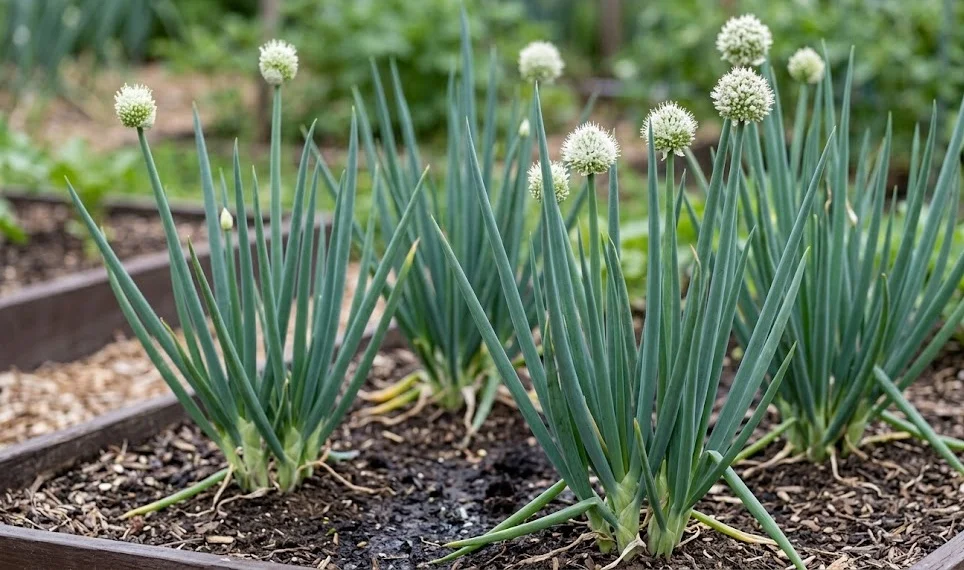
Winter bunching onions are generally classified as full-sun plants, meaning they require at least six to eight hours of direct sunlight per day. During the peak growing seasons of spring and autumn, this light level is usually easy to achieve in most open garden beds. Sunlight provides the energy needed for rapid leaf production and the development of the characteristic pungent flavor. If the plants are grown in too much shade, they often become leggy, pale, and much less productive.
The quality of the light is just as important as the quantity, with the full spectrum of sunlight being ideal for healthy development. Ultraviolet rays help in the synthesis of protective compounds that make the plant more resilient to pests and environmental stress. In contrast, artificial lighting often lacks certain wavelengths that are vital for the complex physiological processes of the onion. Whenever possible, outdoor cultivation is preferred to maximize the benefits of natural, high-intensity solar radiation.
In the winter months, the angle of the sun changes and the total number of daylight hours decreases significantly. This reduction in light naturally slows down the growth of the bunching onion, leading to a period of semi-dormancy. To compensate for this, it is vital to place the onion beds in the brightest part of the garden where they won’t be shaded by buildings or evergreen trees. Maximizing every available minute of winter sunlight helps the plants maintain their health and survive the cold.
Managing partial shade and microclimates
While full sun is the gold standard, winter bunching onions can tolerate partial shade if other environmental factors are optimized. In areas with extremely hot summers, a bit of afternoon shade can actually be beneficial by reducing heat stress and preventing the soil from drying out too quickly. However, this shade should be filtered or temporary, rather than deep and persistent throughout the day. Strategic planting near taller, airy crops can provide this dappled light without completely blocking the sun.
More articles on this topic
If you must grow onions in a shadier part of the garden, you can compensate by improving the soil quality and managing water more carefully. Plants in lower light conditions have a slower metabolic rate and will generally require less fertilizer and water than those in full sun. It is also important to increase the spacing between plants in shadier areas to maximize the light that reaches each individual leaf. Proper management can make a significant difference in the success of a less-than-ideal planting site.
Reflective surfaces can be a professional trick used to increase the light levels in a shaded or urban garden environment. Placing the onion beds near a white wall or using reflective mulches can bounce extra light onto the foliage from different angles. This can effectively increase the total photosynthetic energy available to the plants without needing more direct sunlight. These small adjustments are part of a sophisticated approach to managing the unique light challenges of every garden.
The use of greenhouses or cold frames also affects the quality and quantity of light that reaches the onions. While these structures provide warmth and protection, the glass or plastic can filter out certain wavelengths and reduce the overall intensity of the light. Keeping the surfaces of these structures clean is vital for ensuring that the maximum amount of sunlight can pass through to the plants. A professional grower always considers the trade-offs between physical protection and light availability.
Photoperiodism and seasonal cycles
Photoperiodism, or the response of a plant to the relative lengths of day and night, plays a role in the life cycle of many allium species. While bunching onions are less sensitive to day length for bulb formation than traditional bulbing onions, they still respond to seasonal shifts. The increasing day lengths of spring trigger a surge in growth and can sometimes signal the plant to begin the flowering process. Understanding these natural triggers allows a gardener to predict when the plants will be most productive.
More articles on this topic
If the goal is to produce green stalks rather than flowers, managing the light-related stress that leads to bolting is essential. Sudden changes in light intensity or duration can sometimes shock the plant into a reproductive phase prematurely. Maintaining a consistent environment and providing adequate water can help the onion focus on leaf production instead. A professional approach involves working with the natural rhythms of the plant to achieve the desired agricultural outcome.
In late autumn, the decreasing light serves as a signal for the plant to start storing energy and preparing for winter. This is a natural part of the onion’s cycle and should be supported through proper nutrition and reduced watering. Attempting to force rapid growth through artificial means during this time can weaken the plant and make it less hardy. Respecting the seasonal light changes is a key part of long-term perennial management.
Finally, the orientation of your garden rows can significantly impact how much light each plant receives throughout the day. Running the rows from north to south ensures that the sun can reach both sides of the plants as it moves across the sky. This prevents the plants in one row from casting a shadow over their neighbors, leading to more uniform growth across the entire bed. Professional planning of the garden layout is a simple but effective way to optimize the use of natural light.