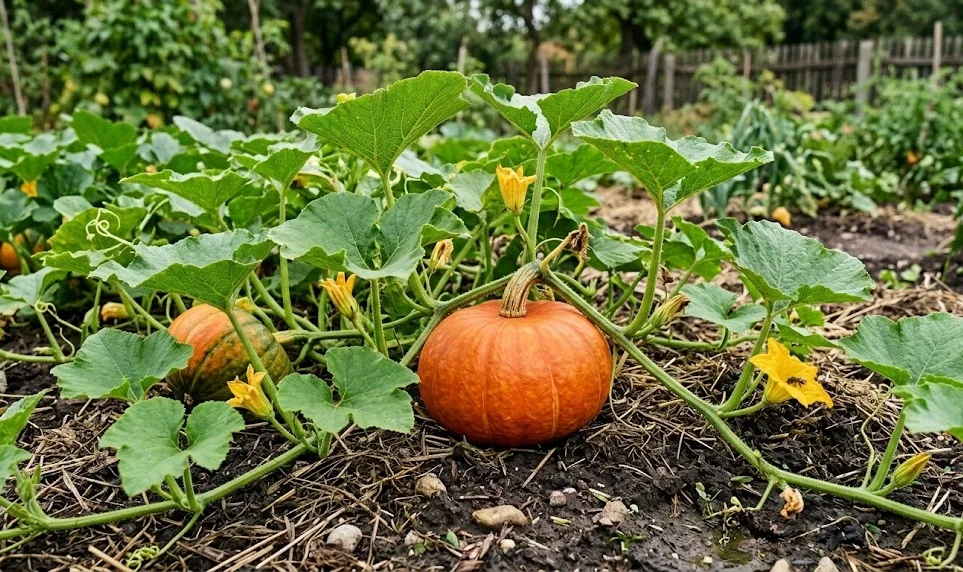

The battle against garden invaders is a constant challenge for anyone growing pumpkins, as these plants are particularly attractive to a wide variety of hungry insects and pathogens. From the moment the first seedling emerges to the day you haul the heavy fruit away, you must remain vigilant and proactive in your defense strategy. Ignoring a small cluster of eggs or a single spotted leaf can lead to a full-scale infestation that wipes out your entire crop in a matter of days. Understanding your enemies is the first step toward maintaining a healthy and productive pumpkin patch.
Powdery mildew is perhaps the most common fungal disease you will encounter, appearing as a white, flour-like dusting on the surface of the leaves. This fungus thrives in warm, humid conditions and can quickly spread across the entire plant if left unchecked. While it rarely kills the plant outright, it severely limits the leaves’ ability to photosynthesize, leading to smaller pumpkins and weakened vines. You can manage this issue by improving airflow between plants and using organic fungicides like neem oil or potassium bicarbonate sprays.
Squash bugs are notorious pests that congregate on the undersides of leaves and at the base of the plant to suck out the vital juices. These flat, greyish insects can cause individual leaves to wilt and turn black, a condition often mistaken for a bacterial disease. The best way to control them is to check your plants daily and scrape off their clusters of copper-colored eggs before they have a chance to hatch. If the population becomes too large, you may need to use insecticidal soaps or targeted organic treatments to protect your vines.
The vine borer is a particularly devastating enemy because it does its damage from the inside out, where it is often hidden from view. A clear sign of an infestation is the sudden wilting of an otherwise healthy-looking vine, accompanied by a small hole and orange sawdust-like material at the base. These larvae tunnel through the main stem, cutting off the flow of water and nutrients to the rest of the plant. If you catch them early, you can sometimes surgically remove the borer and bury the damaged stem in moist soil to encourage new roots to form.
Managing viral infections
Viruses like the mosaic virus are often spread by aphids and can cause bizarre, distorted growth patterns in the leaves and fruit of your pumpkins. You might see yellow mottling, bumpy textures, or stunted vines that never seem to recover no matter how much you water them. Unfortunately, there is no cure for viral infections once a plant has been compromised, so prevention is the only effective strategy. Controlling aphid populations and removing any infected plants immediately is crucial to stop the virus from spreading to the rest of your garden.
More articles on this topic
Cucumber beetles are small, striped or spotted insects that not only chew on the leaves and flowers but also carry a deadly bacterial wilt. This bacteria enters the plant’s vascular system and causes it to collapse suddenly, often just as the fruit is starting to size up. Using row covers on young plants can provide a physical barrier against these beetles until the flowers need to be pollinated. Once the covers are removed, you can use yellow sticky traps or organic pyrethrin sprays to manage any beetles that find their way to your patch.
Root rot and other soil-borne pathogens often strike when the garden becomes too wet or lacks proper drainage during the rainy season. The base of the stem might turn mushy and brown, and the plant will eventually lose its ability to stand upright. To prevent this, always plant your pumpkins in raised mounds and avoid over-watering during periods of cool, cloudy weather. If you have a history of soil-borne diseases in your garden, you should practice strict crop rotation by not planting pumpkins in the same spot for at least three years.
Integrated pest management
Integrated Pest Management, or IPM, is a holistic approach that uses a combination of biological, physical, and chemical tools to keep pest populations at a manageable level. Instead of reaching for a heavy pesticide at the first sign of trouble, you might first try manual removal or introducing beneficial insects like ladybugs. This balanced strategy protects the health of your soil and the safety of the bees that are so essential for pumpkin pollination. A healthy, diverse ecosystem is usually more resilient against sudden pest outbreaks than a sterile, chemically-dependent garden.
Encouraging natural predators is one of the most effective and sustainable ways to keep your pumpkin patch safe from common invaders. Birds, toads, and predatory wasps all play a role in hunting down the insects that want to eat your vines and fruit. By providing a nearby habitat like a small water feature or a wild corner of the garden, you can invite these helpful allies to stay and work for you. You will find that a garden full of life often requires much less intervention from you throughout the growing season.
Keeping a clean garden is a simple but powerful defense against both pests and diseases that might be overwintering in your soil. At the end of the season, you should remove all old vines and decaying fruit to prevent pathogens from building up in the environment. Never put diseased plant material into your home compost pile, as the heat may not be high enough to kill the spores or eggs. Instead, dispose of the infected remains in the trash or by burning them to ensure a clean start for next year’s crop.
Monitoring and reporting
Regular inspections of your plants are the only way to stay ahead of the many threats that pumpkins face throughout the summer. You should make it a habit to walk through your patch at least once a day, looking closely at the stems, leaves, and developing fruit. Carrying a small hand lens can help you spot tiny spider mites or the early stages of a fungal outbreak that might be invisible to the naked eye. The sooner you identify a problem, the more options you have for dealing with it effectively and safely.
Using a gardening journal to record the types of pests and diseases you encounter can help you identify long-term patterns in your local environment. You might notice that certain varieties of pumpkin are more resistant to mildew or that squash bugs always appear during a specific week in June. This data is incredibly valuable for planning your future gardens and choosing seeds that are better suited to your specific challenges. Learning from each season’s struggles is what eventually turns a beginner into a master gardener.
Communication with other local gardeners can also provide an early warning system for regional pest outbreaks or disease movements. If you hear that vine borers are particularly active in your area this year, you can take extra precautions to protect your plants before you see the damage yourself. Many agricultural extensions offer online tracking tools or newsletters that provide up-to-date information on the health of local crops. Being part of a community of growers makes the difficult task of pest management feel a lot more manageable.