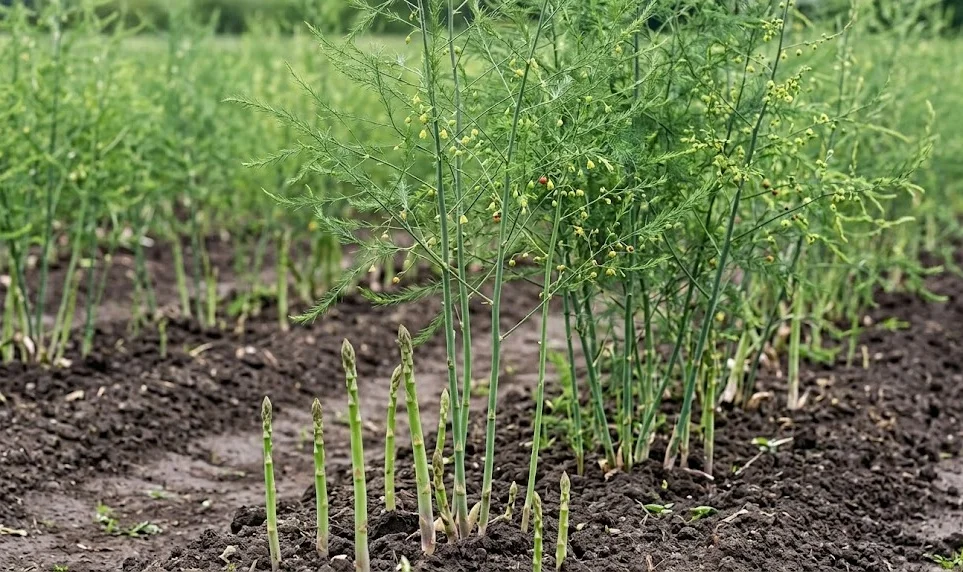

Success in growing asparagus starts with a thoughtful approach to selecting the right varieties and the perfect location. Because this crop will occupy the same space for twenty years, you cannot afford to make mistakes during the initial planning phase. You should look for a spot that offers full sun and excellent drainage to accommodate the deep root systems. Choosing disease-resistant varieties is a professional strategy that will save you significant trouble in the future.
Most gardeners prefer to start with one-year-old crowns because they offer a significant head start over growing from seed. These dormant root systems are ready to be placed in the ground as soon as the soil can be worked in the spring. You should inspect the crowns carefully to ensure they are firm, moist, and free from any signs of mold or rot. Healthy starting material is the absolute foundation of a productive and long-lasting asparagus bed.
Seeds are a more economical option if you are planning to establish a very large area of asparagus production. However, growing from seed requires an extra year of patience before the first harvest can be safely taken from the plants. You will need to start the seeds indoors several weeks before the last frost to give them a strong start. This method allows you to select only the most vigorous seedlings for permanent placement in your garden.
Soil preparation for planting involves digging deep trenches and enriching the earth with a generous amount of organic matter. You should aim for a depth of about twelve inches to provide plenty of room for the roots to spread out. Mixing in well-rotted manure or high-quality compost will provide the initial boost of nutrients required for rapid establishment. A professional gardener knows that the work put into the soil now will pay off for decades.
Preparing the trench system
The trench method is the gold standard for planting asparagus crowns in both home and professional gardens. You should space your trenches about three to four feet apart to allow for proper air circulation and easy access for maintenance. The bottom of each trench should be loosened further with a garden fork to encourage deep root penetration into the subsoil. This deep preparation ensures that the plants can access moisture even during the driest parts of the summer.
More articles on this topic
Creating a small mound of soil along the center of the trench helps to support the crowns and spread the roots naturally. You should place the crowns on top of these mounds with the buds pointing upward and the roots draped down the sides. This positioning mimics the natural growth habit of the plant and prevents the roots from becoming tangled or cramped. Careful placement at this stage is essential for the long-term health and structural integrity of the plant.
Once the crowns are in place, they should be covered with only a few inches of fine, crumbly soil to start. As the spears begin to emerge and grow taller, you will gradually fill in the rest of the trench throughout the first season. This slow filling process helps to blanch the lower parts of the stems and provides extra stability for the growing ferns. It is a traditional technique that remains the most effective way to establish a deep and resilient root system.
Proper spacing between the individual crowns within the trench is vital to prevent overcrowding as the plants mature over time. Most experts recommend a distance of twelve to eighteen inches between each crown to allow for maximum expansion of the root mass. Overcrowded plants will compete for nutrients and water, which eventually leads to smaller spears and lower overall productivity. Giving each plant enough room to thrive is a hallmark of a professional and well-planned garden layout.
Crown planting techniques
Timing is everything when it comes to planting asparagus crowns in the early spring months of the year. You want to get the roots into the ground while they are still dormant but after the soil has warmed up slightly. If you plant too early, the cold and wet soil may cause the crowns to rot before they have a chance to grow. On the other hand, planting too late can stress the young plants as they struggle to establish themselves in the summer heat.
More articles on this topic
Soaking the dormant crowns in tepid water for a few hours before planting can help to rehydrate them and jumpstart their growth. This simple step ensures that the roots are fully plump and ready to begin absorbing nutrients from the surrounding soil immediately. You should be careful not to leave them in the water for too long, as this can deprive the roots of oxygen. Professional growers use this rehydration technique to improve the survival rate of their new plantings significantly.
Applying a starter fertilizer at the time of planting provides the young crowns with the phosphorus they need for strong root development. You should mix the fertilizer into the soil at the bottom of the trench so it is available right where the roots are growing. Avoid letting the fertilizer come into direct contact with the crowns to prevent any potential chemical burns to the delicate tissue. A balanced approach to initial nutrition will result in a much more vigorous and healthy stand of asparagus.
Watering the newly planted crowns thoroughly is the final step in the planting process that ensures good soil-to-root contact. You want to settle the earth around the roots and eliminate any air pockets that could cause them to dry out. Consistent moisture is critical during the first few weeks as the buds begin to push through the soil surface. A professional gardener monitors the moisture levels daily to ensure the young plants never experience any unnecessary stress.
Propagation by seed or division
Harvesting your own asparagus seeds can be a rewarding way to expand your garden if you have the time and patience. You should only collect seeds from female plants, which are identified by the small red berries that appear in late summer. These berries should be allowed to ripen fully on the fern before they are harvested and processed for their seeds. While this method takes longer, it allows you to grow a large number of plants for a very low cost.
Cleaning and storing the seeds properly is essential for maintaining a high germination rate for the following spring planting season. You must remove the fleshy pulp from the berries and allow the small black seeds to dry completely in a cool, dark place. Once dry, the seeds can be stored in a paper envelope until you are ready to start them indoors in late winter. This professional approach to seed saving ensures that you have a reliable source of new plants whenever you need them.
Division of established crowns is another propagation method, though it is generally reserved for older beds that need to be moved. You should perform this task in the early spring while the plants are still dormant to minimize the shock to the root system. Use a sharp spade to lift the entire crown and then carefully cut it into sections that each have several healthy buds. This technique allows you to create several new plants from a single large and productive mother plant.
Replanting the divided sections immediately is the best way to ensure their survival and continued growth in the new location. You should treat these divisions with the same care as new crowns, providing them with enriched soil and plenty of initial water. While the plants may take a year to recover from the stress of division, they will eventually become a productive part of your garden. Professional gardeners use division as a strategic tool to manage the lifespan and productivity of their entire asparagus collection.