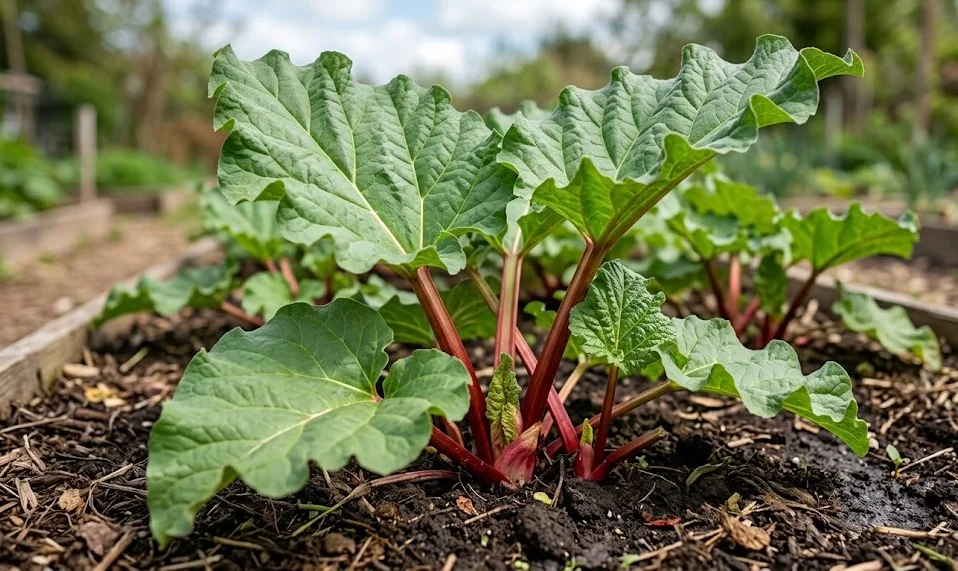

Determining the ideal light conditions for your rhubarb is a fundamental step that influences everything from growth rate to the final color of the stalks. While this plant is known for its incredible resilience, its performance is directly linked to the amount of solar energy it can capture through its massive leaves. Professional gardeners understand that light is not just a binary choice between sun and shade but a variable that must be managed carefully. By optimizing the light exposure, you can ensure that your plants remain healthy, vigorous, and highly productive.
Rhubarb is traditionally classified as a plant that thrives in full sun, meaning it requires at least six to eight hours of direct sunlight daily. This energy is essential for the process of photosynthesis, which powers the rapid development of the thick, edible stems we prize. In cooler climates, providing as much sun as possible helps warm the soil and encourages the plant to emerge earlier in the spring. A sunny location also helps dry the leaves quickly after rain, which significantly reduces the risk of common fungal diseases.
In regions with particularly hot summers, providing some afternoon shade can actually be beneficial for the long-term health of the crop. The large leaves have a high surface area and can lose water very quickly when exposed to the intense midday sun. If the plant becomes too hot and stressed, it may enter a state of temporary dormancy or produce stalks that are tough and stringy. Finding a location that offers bright morning sun but is protected from the harshest afternoon heat is often the professional choice for warmer areas.
The direction of the light also plays a role in how the plant develops its structure over the course of the growing season. Plants that are grown in uneven light may lean toward the sun, resulting in an asymmetrical crown and stalks that grow at odd angles. To achieve a balanced and aesthetically pleasing plant, try to ensure that the light reaches the crown from as many angles as possible. This uniform exposure encourages the plant to spread its leaves in a classic, circular pattern that maximizes its overall photosynthetic efficiency.
Full sun vs partial shade
Growing rhubarb in full sun generally results in the highest yields and the most rapid growth during the peak of the season. The abundance of light allows the plant to produce a massive amount of carbohydrates, which are then stored in the perennial crown for future years. If your goal is to maximize the quantity of your harvest, choosing the brightest spot in your garden is almost always the right decision. Just remember that more sun also means a greater need for consistent watering to keep the soil from drying out.
More articles on this topic
Partial shade is a viable option for those who may not have a perfectly sunny spot available in their agricultural space. Rhubarb can still produce a respectable harvest in areas that receive only four to five hours of direct light, though the growth will be slower. You may notice that plants in shaded areas have longer, thinner stalks as they reach toward the available light source. While the yield might be lower, the quality of the stalks can sometimes be more tender because they are not hardened by the intense sun.
Very deep shade is one of the few environmental conditions that rhubarb truly struggles to overcome in the garden. Without enough light, the plant will become weak and leggy, and its resistance to pests and diseases will decline sharply. If you notice that your rhubarb is producing only a few small leaves and very thin stems, it is likely a sign that it needs more light. Moving the plant to a brighter location is often the only way to save a crown that is suffering from a severe lack of solar energy.
The interaction between light and soil temperature is another critical factor to consider when choosing a planting site. Sunlight warms the ground, which signals to the dormant roots that it is time to wake up and start growing in the spring. A plant in a shaded, cold corner of the garden will always be the last to emerge and the slowest to reach its full size. By managing the light levels, you are also indirectly managing the biological timing of your entire rhubarb patch.
Photosynthesis and stem color
The vibrant red or pink color that many people associate with high-quality rhubarb is partially influenced by the light levels in the garden. While the primary factor for color is the genetic variety of the plant, light exposure can enhance or fade these beautiful pigments. Some varieties develop their deepest colors when they are exposed to bright, direct light throughout the day. Conversely, excessive heat associated with intense sun can sometimes cause the colors to look slightly washed out or pale.
More articles on this topic
Photosynthesis occurs primarily in the massive green leaf blades, but the stalks also play a role in the plant’s overall energy management. The efficiency of this process determines how much sugar is produced, which directly affects the flavor and texture of the stems. Stalks grown in optimal light conditions tend to have a better balance of tartness and sweetness compared to those grown in the deep shade. A well-lit plant is a healthy plant that produces a superior culinary product for your kitchen or the market.
Forcing rhubarb is a specialized professional technique that involves growing the plants in complete darkness in the early spring. By blocking all light, the gardener forces the plant to use its stored energy reserves to produce long, pale, and exceptionally tender stalks. This “forced” rhubarb is highly prized for its delicate flavor and is a testament to how much light—or the lack of it—can change the plant. While this is an advanced method, it demonstrates the profound impact that light management has on this particular vegetable.
Observe the orientation of the leaves throughout the day to see how the plant is reacting to the available light in its environment. You will notice the broad blades tilting and turning to capture the maximum amount of solar energy as the sun moves across the sky. This active movement is a sign of a healthy and vigorous plant that is working hard to build its energy reserves. Understanding these subtle biological signals helps you become a more intuitive and successful gardener over the long term.
Regional climate adjustments
In northern or cooler climates, maximizing light exposure is the primary goal for any professional rhubarb grower. You may even want to plant your crop against a south-facing wall to take advantage of the reflected heat and light. This extra energy can extend the growing season by several weeks, allowing for a larger and more sustained harvest of stalks. In these regions, you almost never have to worry about the plant getting too much sun, as the overall light intensity is lower.
As you move toward more southern or Mediterranean climates, the strategy must shift toward protecting the plant from solar stress. Using shade cloth during the hottest months of July and August can prevent the leaves from burning and keep the plant productive. You might also choose to plant your rhubarb near taller crops or structures that provide a few hours of natural shade during the afternoon. Adapting your light management to your specific local conditions is the hallmark of a truly expert agriculturalist.
Cloud cover and local weather patterns also influence the effective light that your plants receive on a daily basis. If you live in an area that is frequently overcast or foggy, your plants will naturally grow more slowly than those in a consistently clear climate. You can compensate for this by ensuring the plants are not shaded by any other objects like trees, fences, or buildings. Every bit of light counts when the environmental conditions are less than ideal for rapid photosynthesis and growth.
Ultimately, the best way to determine the light needs of your rhubarb is through careful observation and experimentation in your own garden. Each site has its own unique microclimate that will affect how the plants respond to the sun and the shade. Keep a garden journal and note how the plants perform in different areas of your property from one year to the next. This personalized knowledge is the most valuable asset you have for creating a thriving and bountiful rhubarb patch.