
Maintaining a healthy garden environment is the first line of defense against the various issues that can affect this plant. You should always start with healthy specimens from a reputable source to avoid bringing problems into your landscape. Proper spacing and location are essential for reducing the environmental stresses that make plants more susceptible to attack. Observing your plants regularly will help you spot any potential trouble before it spreads to the rest of the garden.
Powdery mildew is one of the most common fungal diseases that can affect the foliage of this species. You will see a white, dusty coating on the surface of the leaves, which can eventually cause them to shrivel. This fungus thrives in conditions where the air is stagnant and the humidity levels are high around the plants. Increasing the air circulation and avoiding overhead watering can significantly reduce the risk of an outbreak.
If you notice powdery mildew starting to appear, you should remove the most heavily affected leaves immediately. You can also use a mixture of water and baking soda as a gentle, organic way to control the spread of the fungus. Commercial fungicides are available, but they should only be used as a last resort in severe cases. Keeping the plant well-hydrated from the roots up will help it resist the negative effects of the disease.
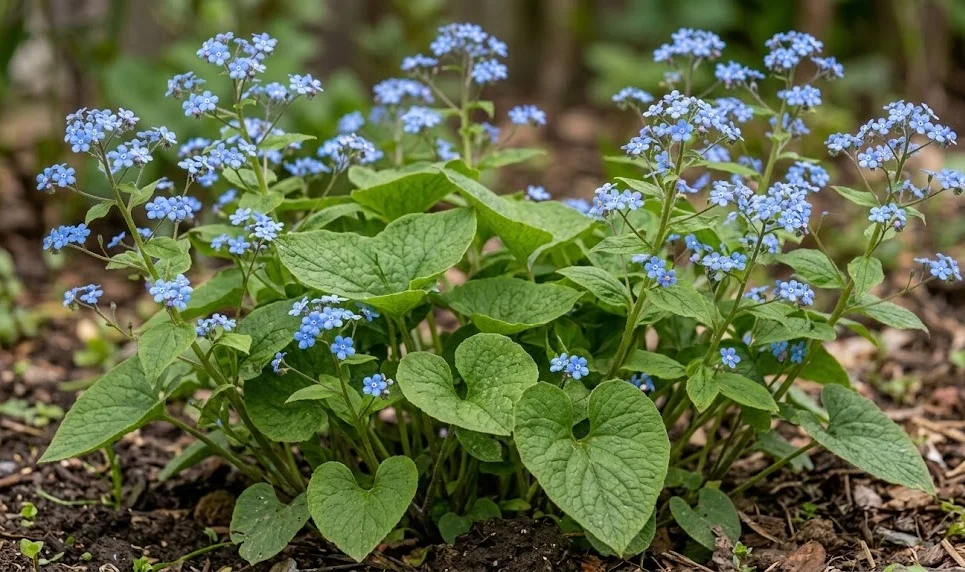
Leaf spot diseases can also occur, appearing as small, dark circles on the large, heart-shaped foliage. These spots are often caused by various fungi or bacteria that thrive in excessively wet or humid conditions in the garden. You should avoid working among the plants when the leaves are wet to prevent spreading the pathogens from one plant to another. Removing fallen debris from around the base of the plant in the autumn will also help eliminate overwintering spores.
Dealing with slugs and snails
The large, succulent leaves of this perennial are a favorite food source for slugs and snails during the spring and summer. You will often see large, ragged holes in the foliage or silvery slime trails left behind on the soil surface. These pests are most active at night or during damp, cloudy weather when they can move around easily. Protecting your plants from these hungry mollusks is essential for maintaining their ornamental beauty.
More articles on this topic
There are several organic methods you can use to manage slug and snail populations in your garden beds. You can set up beer traps or copper tape barriers around the base of particularly sensitive or valuable plants. Diatomaceous earth sprinkled on the soil surface can also act as a deterrent by creating a sharp barrier that the pests dislike crossing. Encouraging natural predators like birds, toads, and ground beetles will provide a more sustainable long-term solution.
If the infestation is severe, you may need to go on a “night hunt” with a flashlight to manually remove the pests. You should drop any slugs or snails you find into a bucket of soapy water to dispose of them humanely and effectively. This direct approach can be surprisingly effective at reducing the local population over a few weeks. Consistency is the key to success when using manual removal as your primary method of control.
You should avoid using chemical slug pellets that contain metaldehyde, as these can be harmful to pets and other beneficial wildlife. There are safer alternatives available that use iron phosphate, which is effective against slugs but breaks down into harmless soil nutrients. Always read the labels carefully and use any products according to the manufacturer’s specific instructions. Maintaining a clean garden area with less hiding space for pests will also help reduce their numbers.
Managing aphids and other insects
Aphids can sometimes congregate on the tender new growth or the undersides of the leaves in the early spring. These tiny, sap-sucking insects can cause the foliage to become distorted or turn yellow as they feed on the plant. You will also notice a sticky substance called honeydew, which can lead to the growth of unsightly black sooty mold. Fortunately, aphids are relatively easy to manage if you catch them early enough in the season.
More articles on this topic
A strong blast of water from a garden hose is often enough to knock the aphids off the plants and disrupt their feeding. You can also use insecticidal soap or neem oil as an effective and low-toxicity way to control larger populations. These products work by smothering the insects and must be applied directly to the pests to be effective. Be sure to treat the undersides of the leaves, where the aphids tend to hide from predators and the sun.
Beneficial insects like ladybugs and lacewings are natural enemies of aphids and can help keep their numbers in check. You can attract these “garden heroes” by planting a variety of flowers that provide them with pollen and nectar. Avoiding the use of broad-spectrum pesticides is important for protecting these helpful residents and maintaining a natural balance. A healthy garden ecosystem will often take care of minor pest issues without any intervention from the gardener.
Other insects like leaf miners or spider mites might occasionally cause problems for your Caucasian forget-me-not plants. Leaf miners create winding tunnels inside the leaf tissue, while spider mites cause a fine stippling or yellowing of the foliage. Both of these pests thrive on plants that are already stressed by drought or poor nutrition in the garden. Keeping your plants healthy and well-watered is the best way to prevent these insects from becoming a significant problem.
Identifying and treating crown rot
Crown rot is a serious condition that can lead to the rapid death of the entire plant if it is not addressed quickly. This issue is usually caused by soil-borne fungi that thrive in cold, wet soils with poor drainage characteristics. You will notice the base of the stems turning black and mushy, and the leaves will quickly wilt and die. This is why planting at the correct depth and ensuring good drainage is so important for this species.
If you suspect a plant is suffering from crown rot, you should dig it up immediately to inspect the root system. You must cut away any diseased or rotting portions of the rhizome using a sterilized knife or garden shears. If the damage is extensive, it may be better to dispose of the entire plant to prevent the spread of the fungus. Do not compost any diseased plant material, as the spores can survive the composting process and return to the garden.
You can prevent crown rot by improving the soil structure and avoiding over-watering during the dormant season. Adding grit or organic matter to heavy soils will help keep the area around the crown from becoming too saturated. You should also avoid piling mulch directly against the base of the stems, as this traps moisture and encourages rot. In areas with very wet winters, planting on a slight mound can help keep the crown above the standing water.
The use of a biological fungicide can sometimes help protect healthy plants in areas where crown rot has been a recurring problem. These products contain beneficial bacteria or fungi that compete with the harmful pathogens in the soil. However, these treatments are not a substitute for proper cultural practices like choosing the right site and soil. Success in the garden always starts with providing the environment that the plant needs to thrive naturally.
Preventative care and garden hygiene
Good garden hygiene is one of the most effective ways to prevent diseases and pests from gaining a foothold. You should regularly remove any dead or yellowing leaves to keep the area around your plants clean and healthy. This practice reduces the amount of decaying organic matter that can harbor pests and disease spores over the winter. Sanitizing your garden tools after working with diseased plants is a professional habit that pays off in the long run.
Rotating your plantings and avoiding monocultures can also help break the life cycles of various pests and pathogens. Mixing your Caucasian forget-me-not with other species like hostas, ferns, and hellebores creates a more resilient garden. If a particular spot in your garden consistently has issues, you should consider moving the plants to a new location. Sometimes a small change in light or air movement can make a huge difference in the health of the plant.
Monitoring the weather can give you a head start on preparing for potential disease outbreaks in your local area. Periods of high humidity or frequent rain are often followed by an increase in fungal issues like powdery mildew or leaf spot. You can take proactive steps like thinning out the foliage or improving the air circulation before the problems become visible. Being proactive is always more effective than reacting to a crisis after it has already started.
Your plants will tell you a lot about their health if you take the time to look at them closely every few days. A vibrant, deep green color and steady growth are signs that you are doing everything right for your perennials. If you see something unusual, do not hesitate to research the symptoms or ask for advice from a local gardening expert. With a little bit of care and attention, you can keep your garden beautiful and free of serious pest and disease issues.