
Preparing your rhubarb for the cold winter months is a vital task that ensures the survival and future vigor of the perennial crown. While these plants are exceptionally hardy and actually require a period of cold to grow properly, they still benefit from some professional attention before the first freeze. The goal of overwintering is to protect the root system and set the stage for a rapid burst of growth in the following spring. By following these steps, you can ensure that your garden investment remains safe during even the harshest winter weather.
The biological process of dormancy is what allows the rhubarb to survive temperatures that would kill most other garden vegetables. As the daylight hours shorten and the temperatures drop in the late autumn, the plant begins to move its energy into the ground. The large leaves, which have been the energy factories all summer, will naturally start to yellow and eventually collapse. This is a normal and necessary part of the plant’s life cycle that should be allowed to happen without interference.
Understanding the “chilling requirement” is essential for anyone growing rhubarb in a professional or serious capacity. These plants need a certain number of hours below five degrees Celsius to break their dormancy and produce healthy stalks in the spring. If the winter is too mild, the plant may emerge slowly and produce a much smaller harvest than usual. This is why rhubarb is primarily grown in temperate and cool climates where the winters are consistently cold.
Protection from extreme temperature fluctuations is the primary reason why we apply mulch and cover to our garden beds in the winter. While the cold is necessary, sudden freezing and thawing of the soil can cause the ground to “heave,” which can expose the sensitive roots to the air. Maintaining a stable soil temperature throughout the season prevents this physical damage and keeps the crown in a deep, restful state. A little effort in the autumn provides peace of mind throughout the long winter months.
Late season foliage care
Once the first hard frost has hit your garden, you will notice a dramatic change in the appearance of your rhubarb plants. The once-sturdy stalks will become limp and the massive leaves will turn brown and lay flat on the ground. You should wait until the foliage has completely died back before you begin the cleanup process in your garden beds. This ensures that every last bit of energy has been successfully transferred from the leaves back into the perennial crown.
More articles on this topic
Removing the dead foliage is a critical step in preventing the carry-over of pests and diseases into the next growing season. Slugs and fungal spores often hide in the decaying plant matter during the winter, waiting for the warm weather to return. Use a clean pair of garden shears to cut the dead stalks close to the surface of the soil, being careful not to damage the buds. Dispose of this material in your compost heap or green waste bin to keep the planting area clean and hygienic.
Leaving the ground bare around the crown after cleaning can be risky in regions with very cold or unpredictable winters. Instead, you should aim to have a clean surface that is ready for a fresh layer of protective mulch to be applied. This is also a good time to check the area for any perennial weeds that may have tried to establish themselves under the large leaves. Clearing the site now will make your spring maintenance tasks much easier and more efficient.
Avoid the temptation to dig or disturb the soil around the rhubarb crown during the late autumn or early winter months. The roots are entering their most vulnerable phase and any physical damage could lead to infection or reduced vigor in the spring. Your focus should be entirely on surface protection and maintaining a calm environment for the dormant plant. Patience and minimal intervention are the keys to a successful overwintering strategy for this hardy perennial.
Insulation and mulching techniques
Applying a thick layer of organic mulch is the most effective way to insulate the rhubarb crown from the winter elements. You can use a variety of materials, including straw, shredded leaves, or well-rotted compost, depending on what is available. The layer should be at least ten centimeters thick and spread in a wide circle that covers the entire root zone of the plant. This blanket of material keeps the soil temperature consistent and prevents the ground from drying out in the winter wind.
More articles on this topic
In very cold climates, some gardeners choose to place an upside-down bucket or a specialized rhubarb cloche over the crown for extra protection. This creates a small microclimate that buffers the plant against the most extreme temperatures and biting winds. If you use a solid cover, make sure it is not airtight, as the plant still needs a small amount of air circulation to prevent rot. These physical barriers are especially helpful for young plants that are facing their first winter in the ground.
Manure can also be used as a winter mulch, providing both insulation and a slow-release source of nutrients for the coming spring. Ensure that the manure is well-aged and does not come into direct contact with the dormant buds to avoid any risk of “burning” the plant tissue. As the snow melts and the spring rains arrive, the nutrients from the manure will wash down into the root zone. This dual-purpose approach is a favorite among professional growers who want to maximize their efficiency in the garden.
Monitoring your mulch throughout the winter is a good habit to develop, especially after heavy rain or strong windstorms. You may find that the material has shifted or settled, leaving parts of the crown exposed to the cold air. Simply take a few minutes to redistribute the mulch and ensure the protective layer remains thick and even across the entire bed. This small amount of maintenance ensures that the insulation remains effective until the ground begins to warm up in the spring.
Understanding cold requirements
The physiological need for cold, often called vernalization, is what triggers the rhubarb to start its vigorous growth cycle each year. This is why the plant is so difficult to grow in tropical or subtropical regions where the winters remain warm. Professional growers in slightly warmer areas sometimes use “forcing” techniques to mimic the effects of a colder winter. However, for most of us, the natural cold of the winter months is exactly what the plant needs to stay healthy and productive.
During the dormant period, the chemical balance within the crown changes in preparation for the upcoming spring expansion. This internal clock is remarkably accurate and ensures the plant does not emerge too early during a temporary winter thaw. It takes a sustained period of cold to signal that the winter is truly ending and it is safe to start growing again. This natural resilience is what makes rhubarb such a reliable and long-lived addition to any temperate agricultural system.
If you live in an area with particularly mild winters, you might notice that your rhubarb starts to decline in vigor over several years. This is often because it is not receiving enough “chill hours” to fully reset its biological clock and prepare for the next season. In these cases, you may need to choose specific varieties that have been bred for lower chilling requirements. Understanding your local climate and matching it with the right plant genetics is a sign of a truly expert gardener.
Snow is actually one of the best insulators for your rhubarb patch, providing a thick and stable layer of protection against the frost. It traps air within its structure, creating a natural thermal barrier that keeps the ground from freezing too deeply. If you have plenty of snow, you don’t need to worry about additional covers, as nature is providing exactly what the plant needs. Once the snow melts, it also provides the first essential moisture for the waking roots in the early spring.
Preparing for spring emergence
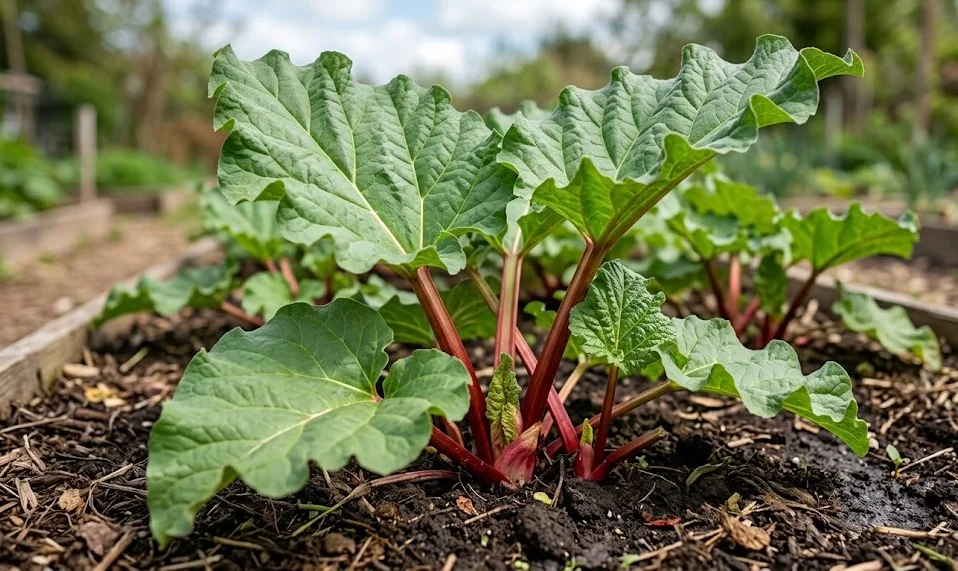
As the days begin to lengthen and the first signs of spring appear, your focus will shift back to active management of the rhubarb. You will start to see the first red or pink buds pushing their way through the mulch as the soil temperature rises. This is the signal to carefully pull back some of the winter mulch from the center of the crown to allow the light to reach the new growth. Be gentle during this process to avoid snapping the tender and brittle new shoots.
This early transition period is the perfect time to apply a fresh layer of compost or a balanced organic fertilizer to the bed. The plant is about to undergo an incredible amount of growth, and having nutrients readily available is essential for success. Work the fertilizer lightly into the surface of the soil around the base of the plant, being careful not to disturb the roots. Watering the area well after feeding will help the nutrients reach the root zone where they can be absorbed immediately.
Check your plants daily during the early spring for any signs of damage from late-season frosts that might occur. If a particularly cold night is predicted, you can quickly toss a piece of horticultural fleece over the emerging buds to protect them. While the plant is hardy, the very first shoots are the most sensitive parts and can be easily damaged by a sudden drop in temperature. Protecting these first few centimeters of growth ensures that you will have an early and bountiful harvest of stalks.
By following these professional overwintering steps, you have given your rhubarb the best possible chance to thrive for another year. The care you take during the quiet months of the winter is what allows for the explosion of life and color in the spring. A well-maintained rhubarb patch is a sustainable and rewarding part of any garden, providing delicious food and beautiful foliage season after year. Your dedication to the health of your plants is the foundation of your success as an agricultural expert.