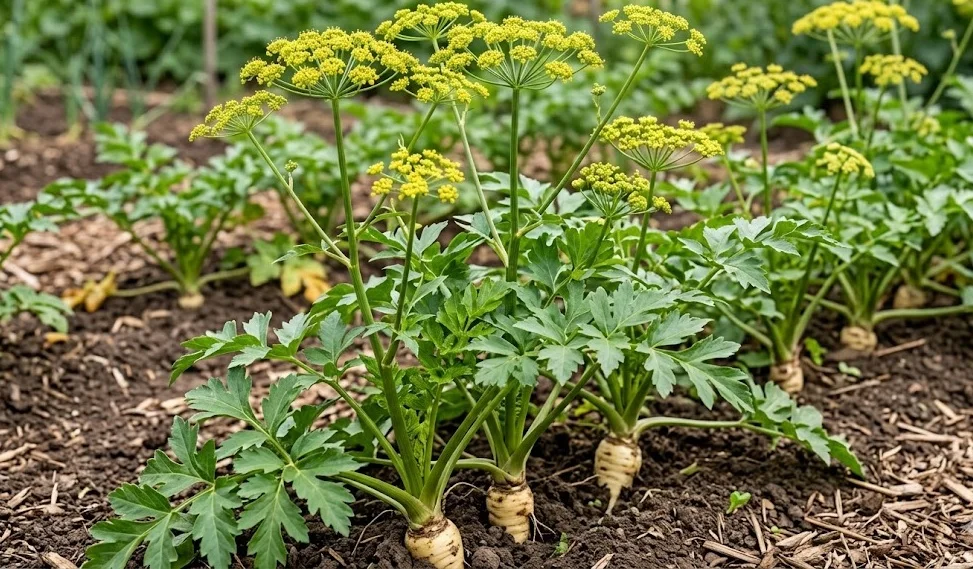

The relationship between sunlight and the development of a parsnip crop is a fundamental aspect of agricultural science that every professional grower must master. While parsnips are known for their tolerance of cooler conditions, they still require a significant amount of solar energy to fuel their long growing season and deep root expansion. You must understand that the leaves are the solar panels of the plant, converting light into the sugars that will eventually be stored in the taproot. Providing the optimal light environment is the key to achieving a high-quality harvest with the professional characteristics you desire.
Photosynthesis is the driving force behind the growth of the parsnip plant from the moment the first true leaves emerge from the soil. You should aim to provide your parsnip crop with at least six to eight hours of direct sunlight every day for the best results in your garden plot. In locations with less light, the plants may become “leggy,” with long, thin leaf stalks and smaller, less developed roots that lack the desired sweetness. Professional agriculturists prioritize site selection based on light availability to ensure the crop has the energy it needs to reach its full potential.
The quality of light also matters, as different wavelengths can influence various aspects of plant physiology and the timing of developmental milestones. You should be aware that the intensity of the sun changes throughout the year, and your parsnip plants will experience different light levels in the spring, summer, and autumn. During the height of summer, the intense midday sun can be stressful for the foliage, while the softer light of autumn is perfect for the final stages of root sweetening. A professional grower observes these seasonal shifts and understands how they impact the overall health and productivity of the vegetable.
Shade management is a nuanced skill that involves balancing the plant’s need for light with the practicalities of a complex garden or agricultural environment. While full sun is ideal, parsnips can tolerate some light afternoon shade, especially in hotter climates where the cooling effect can prevent moisture stress. However, you should avoid planting parsnips in deep shade or near large trees that will compete for both light and water resources throughout the year. By managing the light environment with professional precision, you can ensure that your parsnip crop remains vibrant, healthy, and productive.
Sunlight duration and intensity
The total number of hours of sunlight that a parsnip plant receives over its long growing life is a primary determinant of its final size and weight. You should be aware that parsnips are “long-day” plants in terms of their growth habits, thriving when the days are at their longest during the mid-summer months. This period of peak sunlight coincides with the most active phase of root expansion, where the plant is working hardest to build up its energy reserves. A professional agricultural magazin would recommend maximizing solar exposure during this critical window to ensure a heavy and successful harvest.
More articles on this topic
Light intensity is another factor that influences the efficiency of photosynthesis and the overall vigor of the parsnip foliage during the season. You will find that in northern latitudes, the light may be less intense, requiring a longer duration of exposure to achieve the same growth results as in sunnier regions. Conversely, in very sunny areas, the high intensity can lead to leaf scorch if the plants are not adequately hydrated to keep up with the rate of transpiration. Professional growers use their knowledge of local light patterns to adjust their watering and maintenance routines to compensate for these environmental variables.
The orientation of your planting rows can also affect how much light each individual plant receives during the course of the day. You should ideally align your rows in a north-south direction to ensure that the sun passes over each plant evenly from morning to evening. This professional layout prevents the plants from shading each other excessively and ensures a more uniform growth pattern across the entire garden bed. If you have a sloped site, you must also consider how the angle of the land will impact the shadow patterns and total light absorption of the crop.
Artificial light is rarely used for full-scale parsnip cultivation, but it can be a useful professional tool for early-season seed starting or research purposes. You might use full-spectrum grow lights to give your seedlings a head start in the late winter before moving them out to the trial plots in the spring. This technique allows for a more controlled start and can help you overcome the limitations of short, dark days in early spring. Understanding both natural and artificial light sources is part of the comprehensive knowledge base of a professional agriculturist working with high-quality root crops.
Photosynthesis and root energy storage
The process of moving energy from the leaves to the root is the core biological function that makes the parsnip a valuable and nutritious food source. You should view the foliage of your parsnips as a living factory that is constantly producing carbohydrates through the power of the sun and the air. These carbohydrates are transported down through the vascular system of the plant and stored in the specialized tissues of the taproot as starch. The more light the leaves receive, the more energy the plant can produce, leading to a larger and more nutrient-dense vegetable at harvest time.
More articles on this topic
The health and surface area of the leaves are directly proportional to the amount of light the plant can capture and use for growth throughout the year. You must protect the foliage from pests, diseases, and physical damage to ensure that the photosynthetic machinery remains in peak operating condition. Even minor damage to the leaves can reduce the overall energy budget of the plant, which may result in a smaller or less flavorful root. Professional growers prioritize leaf health because they know that a strong top is the only way to produce a high-quality bottom.
Chlorophyll, the green pigment in the leaves, is the specific molecule that absorbs light energy and triggers the chemical reactions of photosynthesis in the plant. You should monitor the color of your parsnip leaves, as a vibrant, deep green indicates that the chlorophyll is working efficiently and the plant is well-nourished. If the leaves become pale or yellow, it may be a sign of light stress, nutrient deficiency, or a lack of water that is hindering the photosynthetic process. A professional approach involves diagnosing these issues early to ensure the energy flow into the root remains uninterrupted.
The final conversion of starch into sugar in the late autumn is also influenced by the light and temperature patterns at the end of the season. You should be aware that while the leaves are dying back, the remaining light is still playing a role in signaling the plant to prepare for its winter dormancy. The decreasing day length and the cooling sun are natural cues that trigger the biochemical changes that make parsnips so delicious after a frost. Understanding these complex relationships between light, temperature, and plant chemistry is what defines a professional agricultural expert in the field.
Shading management and competition
Managing shadows within a professional garden requires a strategic approach to plant placement and the use of surrounding structures or vegetation. You should avoid planting parsnips directly to the north of taller crops like corn or climbing beans, as these will cast long shadows during the most productive parts of the day. If you have a small space, you can use the predictable patterns of the sun to your advantage by placing shorter, sun-loving crops where they will get the most exposure. A professional layout plan is essential for maximizing the light resources available to every plant in your agricultural project.
Intercropping with faster-growing, low-profile plants like lettuce or radishes is a professional way to use the space between parsnip rows without causing significant light competition. Because parsnips grow slowly and produce a relatively tall canopy later in the season, they can provide a beneficial bit of shade for heat-sensitive greens in the early summer. However, you must be careful not to let these secondary crops grow so large that they begin to overtop the young parsnip seedlings during their critical establishment phase. Proper timing and selection of companion plants are the keys to successful and efficient light management in the garden.
The density of your planting also creates internal shading, where the leaves of one parsnip plant block the light from reaching its neighbors in the same row. You should follow professional spacing guidelines to ensure that each plant has enough room to spread its leaves and capture its own share of the sun’s energy. If the plants are too crowded, the lower leaves will often turn yellow and die off due to a lack of light, which reduces the overall productivity of the crop. Thinning is not just about physical space; it is also about ensuring every plant has access to the light it needs to thrive.
Finally, you should be aware of the impact of surrounding trees and buildings on the light levels in your garden, especially as the sun’s path changes throughout the seasons. A site that is in full sun in June might be significantly shaded by a nearby house or a large oak tree by the time October arrives. You should observe your garden at different times of the year and at different hours of the day to build a professional understanding of its light profile. This knowledge will help you choose the best location for your parsnip beds and ensure they receive the consistent light they need for a successful harvest.