
Caring for pepper plants requires a deep understanding of their biological rhythm throughout the entire growing season. You must prioritize the stability of the environment to ensure the fruits develop a thick wall and rich flavor. Consistent monitoring of daily temperatures is essential because fluctuations can lead to blossom drop or stunted growth. Experienced gardeners know that patience is the most valuable tool when waiting for the first signs of ripening.
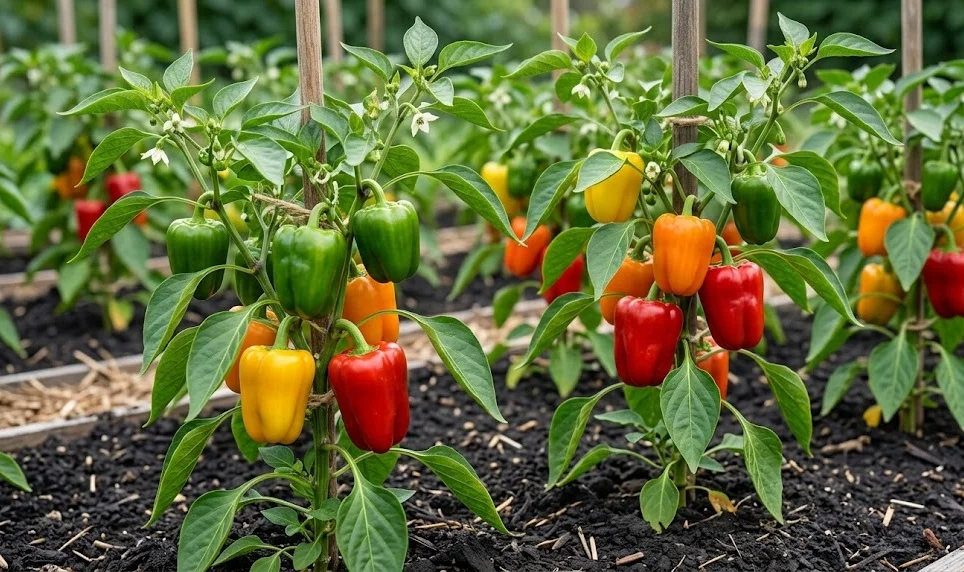
Providing the right support system is a fundamental aspect of long-term plant health. Most pepper varieties produce heavy fruits that can easily snap the relatively brittle stems during a storm or high winds. You should install sturdy stakes or cages early in the season to avoid disturbing the roots later on. Secure the main stem with soft ties that allow for expansion as the plant grows thicker over time.
Managing the soil moisture levels contributes significantly to the overall vigor of the pepper plant. Large-leaved varieties can lose a surprising amount of water through transpiration during the peak of a hot afternoon. You need to keep the soil consistently damp but never waterlogged to prevent root rot or fungal infections. Applying a layer of organic mulch helps retain moisture while also suppressing competitive weeds around the base.
Understanding the nutrient demands of peppers is vital for a successful harvest in any garden setting. These plants are heavy feeders that require a balanced intake of nitrogen during the early foliage stage. Once the first flowers appear, you should shift the focus toward phosphorus and potassium to support fruit production. Regular soil testing allows you to adjust the feeding schedule based on the actual needs of your specific soil profile.
Managing the canopy
The structure of the pepper plant determines how much sunlight reaches the inner parts of the bush. A dense canopy can trap humidity, which creates a perfect environment for bacterial leaf spot to take hold. You should selectively remove internal leaves to improve airflow and allow light to penetrate the center. This practice also helps the plant direct its energy toward fruit production rather than excessive leaf growth.
More articles on this topic
Air circulation is not only important for disease prevention but also for the cooling of the plant. During extreme heatwaves, the leaves may wilt even if the soil is wet, which is a natural defense mechanism. You can provide temporary shade during the hottest part of the day to reduce stress on the foliage. Proper spacing between plants ensures that each individual has enough room to breathe and expand its branches.
Maintaining a clean garden floor is a professional standard that every grower should follow strictly. Fallen leaves and discarded fruits can harbor pathogens that might infect the healthy parts of the crop. You should regularly patrol the rows to remove any organic debris that could attract unwanted pests. This simple habit reduces the need for chemical interventions and promotes a much healthier ecosystem.
Pruning the lower branches can help prevent soil-borne diseases from splashing onto the leaves during heavy rain. The bottom few inches of the stem should be kept clear of any foliage to maintain a dry zone near the ground. You will find that this technique significantly lowers the risk of early-season fungal infections. Professional growers often use this method to keep the ripening fruits from touching the soil.
Soil health and microbiology
Healthy soil is the foundation of every productive pepper patch regardless of the specific variety grown. You should focus on building a rich community of beneficial microbes that help the roots absorb nutrients more efficiently. Adding well-composted organic matter improves the soil structure and increases its water-holding capacity. These microorganisms also act as a natural barrier against certain soil-borne pathogens that target the root system.
More articles on this topic
The acidity of the soil plays a crucial role in the availability of essential minerals to the pepper plant. Most peppers prefer a slightly acidic to neutral pH range between six and seven for optimal growth. You can use lime to raise the pH or sulfur to lower it if your soil test indicates an imbalance. Keeping the pH within this range ensures that the plant does not experience nutrient lockout during critical growth phases.
Oxygen availability in the root zone is often overlooked by novice gardeners but is essential for respiration. Compacted soil prevents the roots from expanding and limits the amount of air they can access. You should avoid walking near the base of the plants to keep the soil loose and friable throughout the season. Using raised beds is an excellent way to maintain a well-aerated root environment even in heavy clay areas.
The presence of earthworms is a positive indicator of high soil quality and biological activity. These creatures help aerate the soil while their castings provide a concentrated source of natural fertilizer. You can encourage their presence by avoiding harsh synthetic chemicals and keeping the soil covered with mulch. A thriving soil food web results in plants that are more resilient to environmental stressors and pests.
Climate and temperature stability
Peppers are tropical plants by nature and thrive when the ambient temperature stays within a specific range. They grow most vigorously when daytime temperatures are between twenty-five and thirty degrees Celsius. You should be aware that growth slows down significantly once the temperature drops below fifteen degrees at night. Protecting the plants with row covers during cold snaps can extend the growing season and improve yields.
Excessive heat can be just as damaging as cold temperatures for many pepper varieties. When the thermometer climbs above thirty-five degrees, the pollen can become sterile, leading to a lack of fruit set. You might notice that the plants stop producing new peppers during the peak of a very hot summer. Providing cooling mist or shade cloth can help maintain productivity during these challenging environmental conditions.
Humidity levels also influence how well the pepper plants grow and develop their fruits. Very dry air can cause the flowers to dry out before they can be successfully pollinated by insects. On the other hand, extremely high humidity increases the risk of various mold and mildew infections on the leaves. You should aim for a moderate humidity level that allows for efficient transpiration without promoting disease.
Late-season temperature management is critical for ripening the final batch of fruits before the first frost. As the days grow shorter and cooler, the ripening process naturally slows down for most varieties. You can help the plant finish its cycle by removing any new flowers that appear in late autumn. This directs all the remaining energy into the existing fruits that have a chance to reach maturity.
Weed management and mulching
Weeds compete with pepper plants for the same pool of water, nutrients, and sunlight in the garden. Small pepper seedlings can easily be smothered by fast-growing weeds if you do not intervene early. You should practice regular shallow cultivation to disrupt weed seeds before they have a chance to establish deep roots. Hand-pulling near the base of the pepper plant is safer than using tools that might damage the shallow root system.
Applying a thick layer of mulch is one of the most effective ways to suppress weed growth naturally. Straw, shredded leaves, or wood chips can all serve as excellent organic barriers against unwanted plants. You should apply the mulch after the soil has warmed up in the spring to avoid trapping cold moisture. This practice also prevents soil from splashing onto the pepper leaves, which reduces disease transmission.
Mulching provides the added benefit of regulating soil temperature throughout the fluctuations of the day. In the summer, the mulch keeps the roots cool, which prevents the plant from going into heat-induced stress. During cooler nights, the covered soil retains some of its warmth, providing a more stable environment for the roots. You will find that mulched plants generally produce more consistent yields than those in bare soil.
As organic mulch breaks down over time, it slowly releases nutrients back into the soil for the plants to use. This natural decomposition process improves the overall texture and fertility of your garden beds. You should replenish the mulch layer as it thins out to maintain its protective and nourishing properties. Using high-quality mulch is an investment that pays off in both plant health and reduced maintenance labor.
Fruit development and protection
The transition from flowering to fruit production is a delicate phase in the life of a pepper plant. Successful pollination is required for the ovary to swell and begin the development of the pepper itself. You should encourage the presence of bees and other pollinators by planting flowers nearby that attract them. Poor pollination can result in misshapen fruits or even the premature dropping of the small peppers.
Once the fruits begin to grow, they need protection from intense direct sunlight to prevent sunscald. Sunscald appears as white, papery patches on the skin of the pepper and can lead to secondary rot. You should ensure the plant has enough leaf cover to naturally shade the developing fruits during the afternoon. If the canopy is too thin, using a light shade cloth can provide the necessary protection for the crop.
Internal fruit quality depends on a consistent supply of calcium and water during the expansion phase. An irregular watering schedule can lead to blossom end rot, which ruins the bottom of the pepper fruit. You should monitor the moisture levels closely to avoid the cycle of drying out and then soaking the soil. Providing a stable supply of nutrients ensures that the fruits grow large and have the desired crunch.
Monitoring for pests that target the fruit itself is an ongoing task for the serious gardener. Insects like pepper maggots or certain beetles can bore into the fruit and cause internal decay. You should inspect the developing peppers regularly for any signs of small holes or discoloration on the surface. Removing any damaged fruit immediately prevents the problem from spreading to the rest of the healthy crop.
Harvesting techniques
Knowing the exact moment to harvest is an art that comes with experience and observation. Peppers can be harvested when they are green, but most varieties reach their peak flavor when they change color. You should wait until the fruit has reached its full size and the skin looks glossy and firm to the touch. The color change indicates a higher concentration of vitamins and a sweeter or more intense flavor profile.
Using the correct tools for harvesting prevents damage to both the fruit and the brittle plant stems. You should never pull the peppers off the branch by hand, as this can easily cause the whole limb to break. Always use a sharp pair of garden shears or a knife to cut the stem about an inch above the fruit. This clean cut heals quickly and reduces the risk of pathogens entering the plant through a jagged wound.
Frequent harvesting actually encourages the pepper plant to continue producing more flowers and fruits. If you leave mature peppers on the plant for too long, the plant may stop new production to focus on seed maturation. You should pick the ripe fruits every few days to keep the plant in its productive phase as long as possible. This strategy maximizes the total yield you can get from a single plant over the entire season.
Handling the harvested peppers with care is necessary to prolong their shelf life and maintain their quality. You should avoid washing the peppers until you are ready to use them, as moisture can promote mold during storage. Store the fruits in a cool, dry place or in the refrigerator if you plan to keep them for more than a few days. Proper post-harvest handling ensures that all your hard work in the garden results in a delicious and nutritious final product.