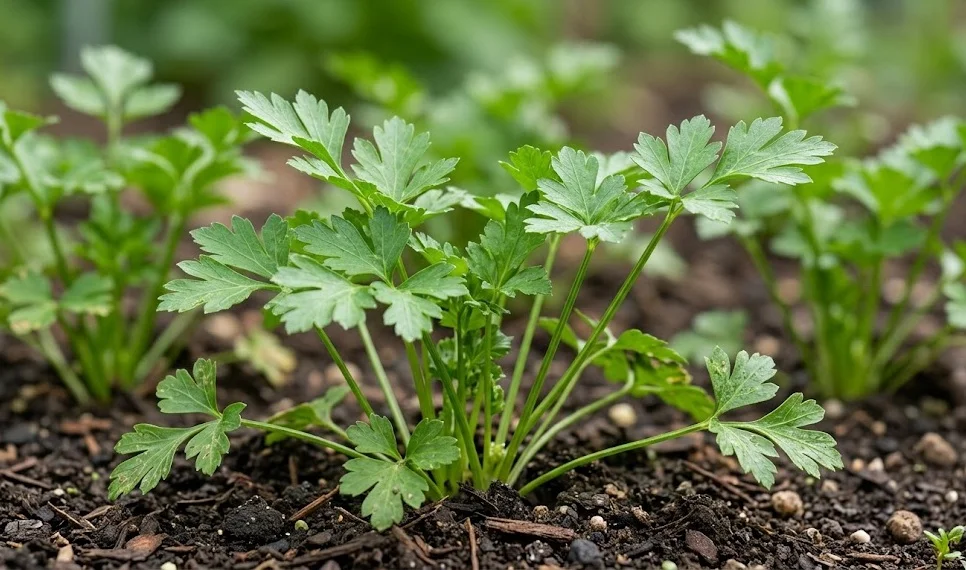

Caring for leaf parsley requires a balanced approach that combines traditional gardening wisdom with modern agricultural practices to ensure a lush harvest. This biennial herb is prized for its vibrant green foliage and rich nutritional profile, making it a staple in many home gardens and commercial farms. Successful cultivation begins with understanding the specific biological needs of the plant throughout its growing cycle. By paying close attention to the nuances of its environment, you can maintain a productive crop that lasts well into the second year.
Fundamental soil management is the cornerstone of a healthy parsley crop, as the roots require a specific structure to thrive. You should aim for a medium-heavy, loamy soil that is rich in organic matter and has excellent drainage properties. Compaction must be avoided at all costs, as it restricts oxygen flow and can lead to stunted growth or root rot. Regular soil testing will help you maintain a pH level between 6.0 and 7.0, which is the optimal range for nutrient uptake in this specific herb.
Weed control is an essential aspect of daily care, especially during the early stages when the young plants are establishing themselves. Since parsley seeds germinate slowly, aggressive weeds can easily outcompete the tender shoots for light and nutrients. Manual weeding should be done carefully to avoid disturbing the sensitive taproots of the parsley plants. Applying a thin layer of organic mulch can significantly reduce weed pressure while simultaneously helping the soil retain its moisture levels during hot periods.
Environmental monitoring is vital for maintaining the health of leaf parsley, as it is sensitive to extreme temperature fluctuations. While it enjoys the warmth of the spring and early summer, intense heat can cause the leaves to lose their flavor or become tough. Providing temporary shade during the peak afternoon sun can help maintain the quality of the foliage. Additionally, ensuring adequate air circulation between the plants will prevent the buildup of humidity, which is often a precursor to fungal issues.
Harvesting techniques play a significant role in the ongoing care and longevity of the plant throughout the season. You should always harvest the outermost leaves first, allowing the inner core to continue producing new growth. Using clean, sharp shears ensures that the cuts are precise and minimize the risk of introducing pathogens to the vascular system. Frequent harvesting actually encourages the plant to produce more foliage, provided that you never remove more than one-third of the plant at once.
Variety selection is another factor that influences how you should approach the long-term care of your garden beds. Flat-leaf varieties are often more robust and heat-tolerant, whereas curly-leaf types may require more frequent misting to keep their intricate leaves from drying out. Understanding the specific traits of the cultivar you have chosen allows you to tailor your maintenance routine to its unique strengths and weaknesses. Keeping detailed records of how different varieties respond to your local microclimate will improve your success in subsequent years.
Transitioning between seasons requires a shift in care strategies to help the parsley survive or finish its life cycle. As the weather cools in autumn, the growth rate will naturally slow down, necessitating a reduction in intensive maintenance. However, you should still keep an eye out for late-season pests that might seek refuge in the dense foliage. If you plan to keep the plants over the winter, ensuring they are healthy and disease-free before the first frost is a critical final step in the annual care cycle.