
Overwintering head lettuce is a specialized technique that allows dedicated gardeners to enjoy a fresh harvest during the coldest months of the year. While most lettuce varieties are associated with the mild temperatures of spring and autumn, certain cultivars have the genetic resilience to survive sub-freezing temperatures. Success in this endeavor requires a strategic combination of variety selection, site preparation, and the use of protective structures. By mastering the art of the winter harvest, a professional horticulturalist can significantly extend the productivity of their garden space.
The selection of cold-hardy varieties is the most critical decision a grower makes when planning for a winter lettuce crop. Standard summer varieties will quickly succumb to the first hard frost, their cell walls rupturing as the water within them freezes. Winter-specific types, often referred to as “winter density” or “arctic” varieties, have a higher concentration of sugars and salts in their sap, which acts as a natural antifreeze. These plants can withstand multiple freeze-thaw cycles and resume growth as soon as the temperatures rise slightly above freezing.
Site selection for overwintering should prioritize maximum light exposure and protection from the prevailing winter winds. A south-facing slope or a bed positioned against a dark-colored wall can benefit from the “heat sink” effect, where the ground stays slightly warmer than the surrounding area. Well-draining soil is even more important in the winter than in the summer, as cold, wet soil is a primary cause of root rot and winter kill. Raising the beds slightly helps to ensure that excess moisture from melting snow or heavy winter rains can drain away quickly.
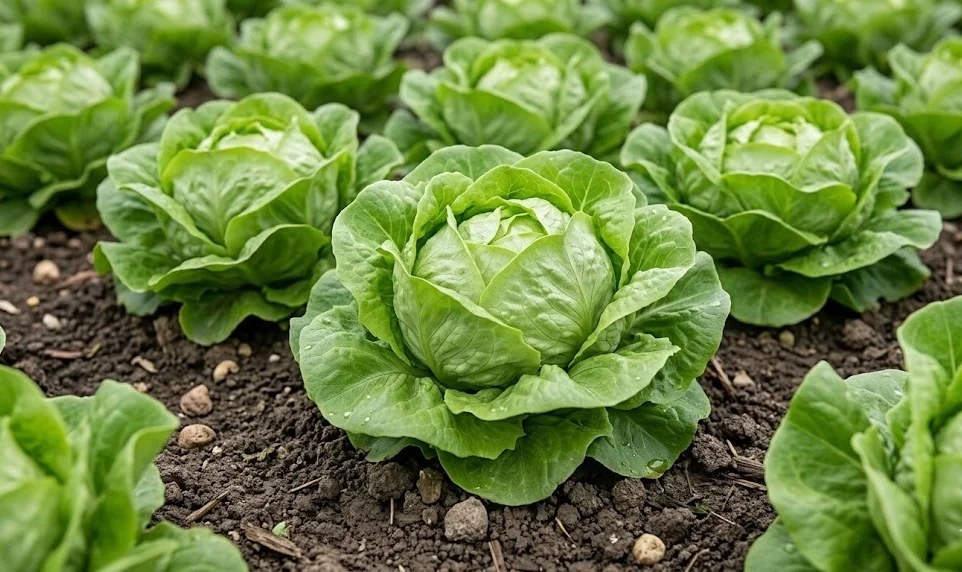
The timing of sowing for overwintering must be calculated so that the plants reach a specific size before the “Persephone period” begins, when day length drops below ten hours. Ideally, the lettuce should be about half-grown—approximately the size of a tennis ball—by the time the deep cold of winter arrives. If the plants are too small, they may not have enough energy reserves to survive; if they are too large, they are more susceptible to frost damage. This precise window of growth allows the plant to enter a state of semi-dormancy, waiting for the return of longer days in early spring.
Utilizing protective structures for winter survival
Providing a physical buffer against the elements is often the difference between a successful overwintering project and a total loss. Cold frames, which are essentially bottomless boxes with a transparent lid, are a classic and highly effective tool for protecting winter greens. The lid, or “light,” allows the sun to warm the soil and the air inside during the day while trapping that heat during the cold nights. On sunny winter days, it is important to vent the cold frames to prevent the temperature inside from rising too high and triggering premature growth.
More articles on this topic
Low tunnels made from PVC or metal hoops covered with heavy-duty greenhouse plastic offer a more flexible and scalable solution for larger garden beds. These structures are easy to install and can be covered with additional layers of row cover or blankets during periods of extreme cold. The air gap between the layers of fabric provides significant insulation, often keeping the temperature around the plants five to ten degrees warmer than the outside air. Using a double-layer system is a common professional practice for ensuring the survival of sensitive crops in northern climates.
Mulching the soil around the base of the overwintering lettuce provides an extra layer of protection for the all-important root system. Materials like clean straw, shredded leaves, or even specialized horticultural fleece can be tucked around the plants after the ground has initially frozen. This insulation helps to prevent the “heaving” of the soil that occurs during rapid temperature changes, which can tear the roots and expose them to the air. It is important to keep the mulch away from the actual leaves of the lettuce to avoid trapping moisture and encouraging rot.
Snow can actually be a gardener’s best friend during the winter, acting as a superb natural insulator for the plants beneath it. A thick blanket of snow keeps the ground temperature relatively stable and protects the foliage from the drying effects of winter winds. However, heavy, wet snow can also collapse light structures or crush the delicate lettuce heads if not managed carefully. Professional growers often use sturdy supports for their tunnels and may gently clear excess snow from the tops of cold frames after a major storm to ensure light can still reach the plants.
Managing moisture and nutrition in cold conditions
Watering requirements for overwintering lettuce are significantly lower than during the summer, but the plants must not be allowed to dry out completely. Cold winter winds can be incredibly dehydrating, pulling moisture from the leaves even when the plant is dormant. It is best to water early on a day when the temperatures are expected to be above freezing, allowing the moisture to soak in before the ground freezes again at night. Avoid wetting the foliage during the winter, as damp leaves are far more likely to suffer from frost burn or fungal issues.
More articles on this topic
Fertilization should be kept to a minimum during the deep winter months when the plants are not actively growing. Over-fertilizing, especially with nitrogen, can encourage tender new growth that is highly vulnerable to freezing temperatures. The goal is to have the plants enter the winter with a solid nutritional foundation established during the late autumn. As the days begin to lengthen in late February or early March, a light application of a liquid organic fertilizer can help “wake up” the plants and stimulate early spring growth.
Air quality and humidity management inside protective structures are ongoing concerns throughout the winter months. Even in the cold, stagnant and humid air can lead to the development of gray mold (Botrytis) on the lettuce leaves. Choosing days with clear skies and moderate temperatures to briefly open the covers allows for the exchange of fresh air and the reduction of excess moisture. Maintaining a clean growing environment by removing any dead or yellowing leaves is the best way to prevent disease from taking hold during the dormant period.
As the season transitions from late winter into early spring, the management of the overwintering crop becomes more active. The increasing intensity of the sun can rapidly overheat small structures, requiring more frequent venting and monitoring. This is often the time when the lettuce puts on its final surge of growth, rapidly filling out the heads that were started the previous year. Successful overwintering provides the ultimate reward: a harvest of incredibly sweet, crisp lettuce weeks before spring-sown crops are even ready to be transplanted.
Harvesting and post-winter recovery
Harvesting overwintered lettuce requires a slightly different approach than the summer harvest to protect the remaining plants and ensure quality. It is best to wait until the temperatures are well above freezing and any frost on the leaves has completely melted. Cutting frozen lettuce leaves will cause them to turn into a blackened, mushy mess as soon as they are brought into a warm kitchen. Once thawed, the lettuce should be handled gently and used quickly, as the freeze-thaw cycles can make the outer leaves more delicate.
The flavor of overwintered head lettuce is often considered superior to that of summer-grown crops due to the accumulation of sugars in the tissues. This natural sweetening is a direct result of the plant’s biological response to the cold, making it a highly prized delicacy for home cooks and chefs alike. The texture remains remarkably crisp, and the leaves often have a deeper, more vibrant color than their warm-weather counterparts. Sharing these early-season harvests is one of the greatest joys of being a professional gardener.
After the final harvest of the overwintered crop, the soil in the beds should be evaluated and replenished before the next planting begins. The winter months can deplete certain nutrients and affect the soil structure, especially if the area was not protected from heavy rains. Adding a fresh layer of compost and checking the pH ensures that the bed is ready for the intense production of the spring and summer seasons. This continuous cycle of preparation and production is the hallmark of a well-managed and highly productive garden system.
Reflecting on the successes and challenges of the overwintering season helps the grower to refine their techniques for the following year. Perhaps a different variety performed better under the specific weather conditions of that winter, or a different type of cover provided better protection. Keeping detailed notes on planting dates, temperatures, and harvest quality allows for the continuous improvement of the winter gardening strategy. With each passing year, the professional gardener becomes more attuned to the subtle rhythms of the winter landscape.