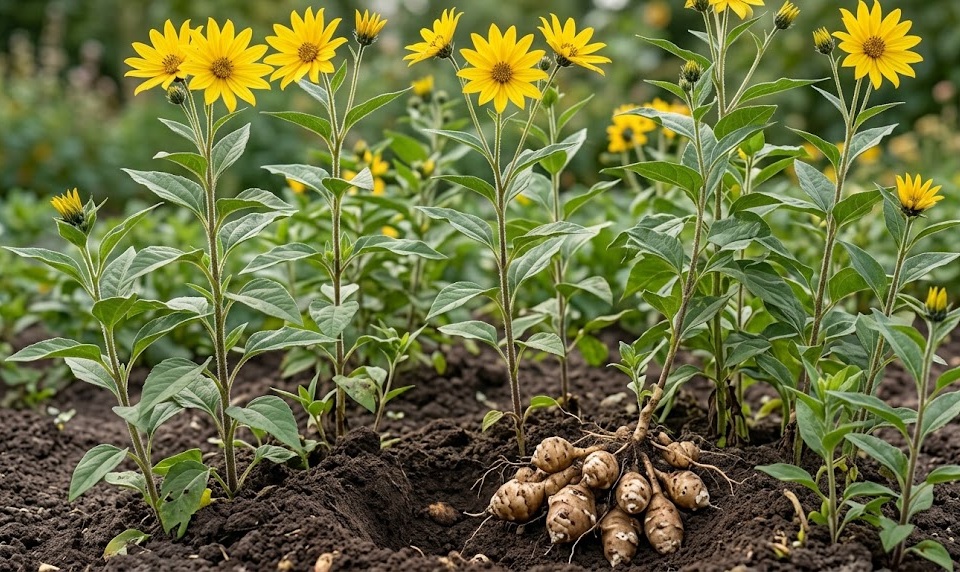

The Jerusalem artichoke is one of the most remarkable plants when it comes to winter resilience, as its tubers are designed by nature to survive extreme freezing temperatures. Unlike many other root crops that must be harvested before the first hard frost, these tubers actually benefit from being left in the cold ground as the season changes. You must understand that the soil acts as a natural cold storage unit, preserving the texture and enhancing the sweetness of the harvest throughout the dormant months. By managing the overwintering process correctly, you can enjoy fresh, high-quality produce even in the middle of a harsh winter.
The process of preparing for winter begins in the late autumn when the above-ground foliage naturally starts to wither and turn brown. This is a clear signal that the plant has finished its growth cycle and has successfully moved its energy reserves into the underground storage organs. You should wait until the stalks are completely dry and brittle before taking any action, as this ensures that the tubers have reached their full potential. The transition from a vibrant green giant to a dormant winter crop is a fascinating biological process that requires minimal intervention from the gardener.
Once the foliage has fully died back, you can cut the stalks down to a height of about ten to fifteen centimeters above the soil line. These remaining stem fragments serve as indispensable markers that help you locate your tuber clusters when the garden is covered in snow or frost. They also provide a small degree of physical protection for the crown of the plant, preventing the soil from becoming too compacted directly above the tubers. This simple maintenance task keeps the garden tidy and prepares the site for the quiet months of the winter season.
It is a good idea to apply a thick layer of organic mulch, such as straw or fallen leaves, over the entire planting bed once the ground begins to freeze. This extra insulation prevents the soil from undergoing rapid freeze-thaw cycles, which can sometimes push the tubers toward the surface or cause them to become waterlogged. A stable temperature within the soil is the key to maintaining the quality and viability of the dormant crop until you are ready to use it. Proper mulching is a professional technique that extends the harvest window and protects your agricultural investment.
Harvesting throughout the winter months
One of the greatest advantages of the Jerusalem artichoke is the ability to harvest only what you need, leaving the rest of the crop safely tucked away in the earth. As long as the ground is not frozen solid, you can go out into the garden and dig up fresh tubers at any time during the winter season. This “living pantry” approach ensures that you always have access to the highest quality produce without the need for complex indoor storage solutions. The cold temperatures of the soil help convert the plant’s inulin into fructose, making the winter-harvested tubers noticeably sweeter than those gathered in the autumn.
More articles on this topic
When you are ready to harvest, use a sturdy garden fork to gently lift the soil around the base of the marked stems to uncover the tuber clusters. Because the tubers can spread quite far from the central stalk, you should work carefully and systematically to avoid damaging them with your tools. Any tubers that are accidentally sliced or bruised during the harvest should be used immediately, as they will not last as long as the undamaged ones. Winter harvesting is a rewarding task that connects you with the natural cycles of the garden even during the coldest months.
If you live in an area where the ground freezes deeply and stays that way for several months, you may find it difficult to harvest in the mid-winter. You can overcome this challenge by applying an even thicker layer of mulch, up to thirty centimeters deep, to keep the soil beneath it from freezing entirely. This “thermal blanket” allows you to reach the tubers even when the surrounding garden is locked in ice, providing a reliable source of fresh food. Planning ahead for extreme cold is a hallmark of a professional and resourceful agriculturalist.
Any tubers that you do bring inside should be cleaned and used as soon as possible, as they tend to lose moisture and become soft once they are removed from the cool earth. If you must store them for a few days, keep them in a cool, dark place with high humidity, such as a perforated plastic bag in the refrigerator. However, the best storage method will always be the soil itself, which provides the perfect environment for maintaining the artichoke’s unique crispness. Understanding the limitations of indoor storage will help you make the most of your winter garden’s bounty.
Managing the spring regrowth
As the days begin to lengthen and the soil starts to warm in the early spring, any tubers remaining in the ground will naturally begin to sprout. This marks the end of the overwintering period and the beginning of a new growth cycle for your Jerusalem artichoke patch. You should take this opportunity to dig up and reorganize your planting bed, selecting the best tubers for the next season and harvesting any extras. This spring “reset” is essential for preventing the bed from becoming overcrowded and maintaining the long-term health of the crop.
The tubers that have survived the winter in the ground are often the most vigorous and well-adapted specimens for your specific local climate. You can use these survivors as your primary seed stock for the coming year, ensuring that your garden continues to benefit from strong and resilient genetics. By selecting the largest and smoothest tubers to replant, you can gradually improve the quality of your harvest over several generations. Professional propagation is a continuous process of observation and selection that rewards the patient gardener.
You must be very thorough during this spring cleanup, as any small tuber fragments left behind will quickly grow into new plants that may interfere with your garden layout. If you want to move your artichoke bed to a new location, this is the time to do it, making sure to clear the old site completely. The aggressive nature of the plant means that it can easily become a weed if it is not managed with discipline and attention to detail. A professional approach to spring management ensures that your garden remains organized and productive year after year.
After you have harvested and replanted your selected tubers, you can enrich the soil with a fresh application of compost or organic fertilizer. This replenishes the nutrients that were used during the previous season and provides the new shoots with the energy they need for a strong start. The cycle of overwintering and regrowth is a natural rhythm that, when managed correctly, provides a permanent and sustainable source of nutrition. Your role as a gardener is to facilitate this process and ensure that the plants have everything they need to thrive.
Long-term benefits of in-ground storage
Storing Jerusalem artichokes in the ground over the winter is not just a matter of convenience; it actually improves the nutritional and culinary quality of the tubers. The natural cold exposure triggers chemical changes within the plant that enhance its flavor profile and make it more digestible for many people. This biological transformation is something that cannot be replicated easily in a standard refrigerator or a dry cellar environment. By working with the natural tendencies of the plant, you achieve a superior result with less energy and effort.
Furthermore, in-ground storage reduces the risk of spoilage and rot that can often occur in traditional indoor storage settings where humidity and temperature are hard to control. The living soil provides a stable and protective environment that keeps the tubers in a state of suspended animation until the spring thaw. This resilience makes the Jerusalem artichoke an ideal crop for those looking to improve their self-sufficiency and reduce their reliance on external food systems. The plant’s ability to take care of itself during the winter is a testament to its evolutionary success.
You will also find that overwintering your crop in the garden saves valuable space in your kitchen or pantry for other vegetables that are less cold-hardy. This allows you to manage your total food supply more effectively and ensures that you have a diverse range of fresh ingredients available throughout the year. The peace of mind that comes from knowing you have a reliable crop waiting for you in the garden is one of the greatest joys of agricultural life. The Jerusalem artichoke is a true winter hero that deserves a place in every serious gardener’s plan.
Reflecting on the success of your overwintering strategy at the start of each new season will help you refine your techniques for the future. Take note of how deep the frost penetrated the soil and how well your mulch layer performed under different weather conditions. This localized knowledge is the most important tool you have for mastering the art of winter gardening and ensuring consistent success. Professionalism in the garden is built on a foundation of experience, observation, and a deep respect for the resilience of the natural world.