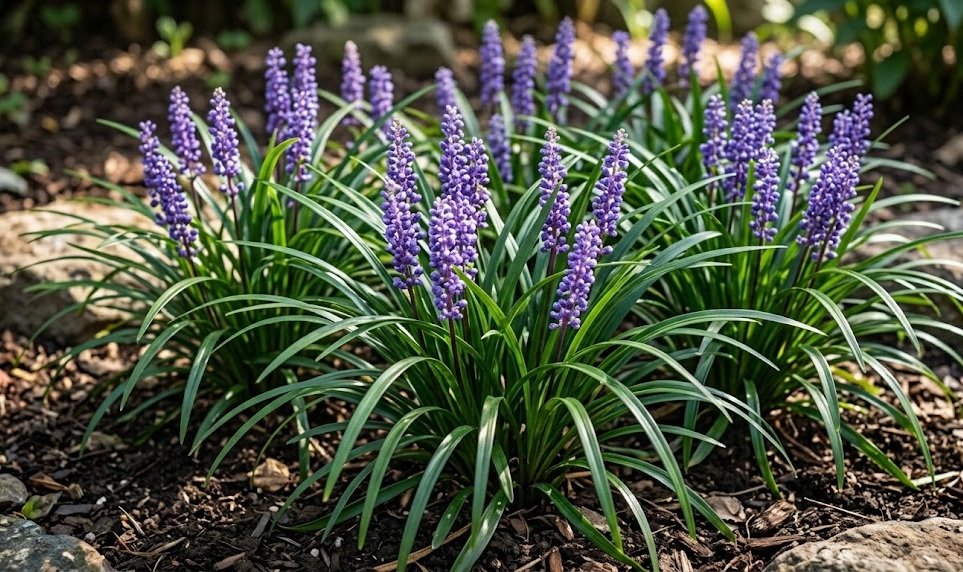

The adaptability of lilyturf to varying light conditions is one of its most prized characteristics in the world of professional horticulture and landscape design. While many perennials are strictly limited to either full sun or deep shade, this species occupies a unique middle ground. Understanding how the intensity and duration of sunlight affect the plant’s growth habit and leaf color is essential for proper placement. This knowledge allows gardeners to use the plant effectively in a wide range of challenging environmental settings.
In a professional landscape, light management involves more than just picking a spot; it requires observing how light changes throughout the seasons. A location that is in full sun during the winter when trees are bare may be in deep shade during the lush summer months. This seasonal shift in light intensity can significantly impact the long-term health and appearance of the lilyturf clumps. Expert gardeners always plan their installations with these future environmental changes in mind.
The physiological response of the plant to light is visible in the texture and color of its foliage. In brighter conditions, the leaves tend to be shorter, more upright, and sometimes a lighter shade of green or even slightly yellowed. In shaded environments, the plant often produces longer, more graceful leaves that exhibit a deep, rich emerald hue. By manipulating the light levels, you can subtly influence the aesthetic contribution of the plant to your garden design.
While lilyturf is incredibly flexible, there are still limits to what it can tolerate in terms of extreme light exposure. Finding the balance between enough light for flowering and enough shade for foliage health is the ultimate goal of the gardener. Whether you are planting a small border or a large-scale groundcover, the light profile of the site will be the primary driver of success. Professional site analysis is the first step toward a thriving and beautiful perennial installation.
Full sun tolerance
In many temperate climates, lilyturf can handle full sun quite well, provided that it receives adequate and consistent soil moisture. The extra energy from the sun often leads to a more prolific display of purple flower spikes in the late summer months. This increased flowering is a major benefit for those looking to add a splash of color to a sunny border or walkway. However, the gardener must be prepared to step up their watering routine during the hottest parts of the year.
More articles on this topic
Direct sunlight during the peak of the day can sometimes cause the leaves to lose their deep green luster and take on a slightly bleached appearance. This is especially true in hotter, southern regions where the sun’s intensity is much higher throughout the growing season. In these areas, providing a bit of afternoon shade can help protect the foliage from “burning” or becoming unsightly. Understanding the limits of the plant in your specific geographic location is a key professional skill.
Soil quality becomes even more important when lilyturf is grown in a high-light environment. The increased transpiration rate means that the roots need to be able to access water efficiently from the surrounding ground. Adding organic matter to the soil helps to improve its water-holding capacity, which provides a critical buffer during sunny spells. A well-mulched bed is also essential for keeping the root zone cool when the sun is beating down on the foliage.
If you are planting in a full-sun location, it is often best to choose a variety that has been specifically bred for higher light tolerance. Some cultivars have thicker or more resilient leaves that are less prone to the sun damage that might affect the standard species. Consult with a local nursery professional to find the best options for your specific site conditions. Selecting the right plant for the right place is the most fundamental rule of successful landscape design.
Partial shade benefits
Partial shade, such as that found under the canopy of a high-branching tree, is often considered the ideal environment for lilyturf. This dappled light provides enough energy for healthy growth and occasional flowering while protecting the leaves from extreme heat. In this setting, the plant typically exhibits its most attractive form, with long, arching leaves that create a dense and uniform carpet. It is the perfect balance for those who want both foliage beauty and structural reliability.
More articles on this topic
The consistent light levels in a partially shaded area lead to more stable growth rates and fewer environmental stress events for the plant. Because the soil does not dry out as quickly as it does in full sun, the maintenance requirements are generally lower for the gardener. This makes lilyturf an excellent choice for low-maintenance commercial landscapes or large residential properties. Efficiency in care is one of the primary reasons why professionals choose this plant for partial shade.
Flowering in partial shade is usually quite good, although it may not be as dense as the display found on plants grown in brighter light. The contrast between the dark green leaves and the purple flower spikes is particularly striking in the soft light of a shaded garden. This aesthetic quality makes the plant a favorite for creating “cool” and inviting garden spaces that offer a respite from the summer sun. The visual impact of lilyturf in filtered light is truly unique among groundcovers.
When managing a partially shaded site, it is important to be aware of the competition from the roots of overhanging trees and shrubs. While lilyturf is tough, it still needs its own space and access to soil nutrients and moisture to thrive. Providing a bit of extra fertilizer or water during the establishment phase can help the new plants hold their own against their larger neighbors. Professional planting involves considering the entire subterranean environment as much as the visible light.
Deep shade performance
Lilyturf is one of the few ornamental perennials that can truly perform well in the deep shade found on the north side of buildings or under dense evergreens. In these low-light environments, the plant focuses its energy on leaf production, creating a thick and dark green groundcover that few other plants can match. This ability to fill “dead zones” in the landscape where grass and most flowers fail is a major professional advantage. It provides a green and living solution for the most difficult parts of the garden.
While the foliage thrives in deep shade, the flowering will be significantly reduced or may even stop entirely in the darkest locations. For many gardeners, this is a fair trade-off for the ability to have a reliable and beautiful evergreen carpet in a spot where nothing else will grow. The focus in deep shade shifts from the flowers to the texture and color of the leaves themselves. This minimalist aesthetic is a key component of modern and contemporary landscape design styles.
In very dark areas, the soil can stay wet for a long time, which increases the risk of fungal issues like root rot or crown rot. It is even more important to ensure that the drainage is excellent in these shaded beds to compensate for the slow evaporation rates. You should also be careful not to over-water these plants, as their actual moisture needs are much lower than those in the sun. Professional moisture management is the key to preventing “shady-site failure” in your perennial plantings.
Periodic cleaning of the foliage is also important in deep shade, as dust and debris can accumulate on the leaves more easily without the washing effect of heavy rain. Simply spraying the plants with a hose occasionally can keep the leaves looking fresh and help them perform photosynthesis more effectively in the limited light. This small maintenance task can make a big difference in the overall vibrancy of a shade garden. Understanding the unique needs of deep-shade plants is a hallmark of an expert horticulturalist.