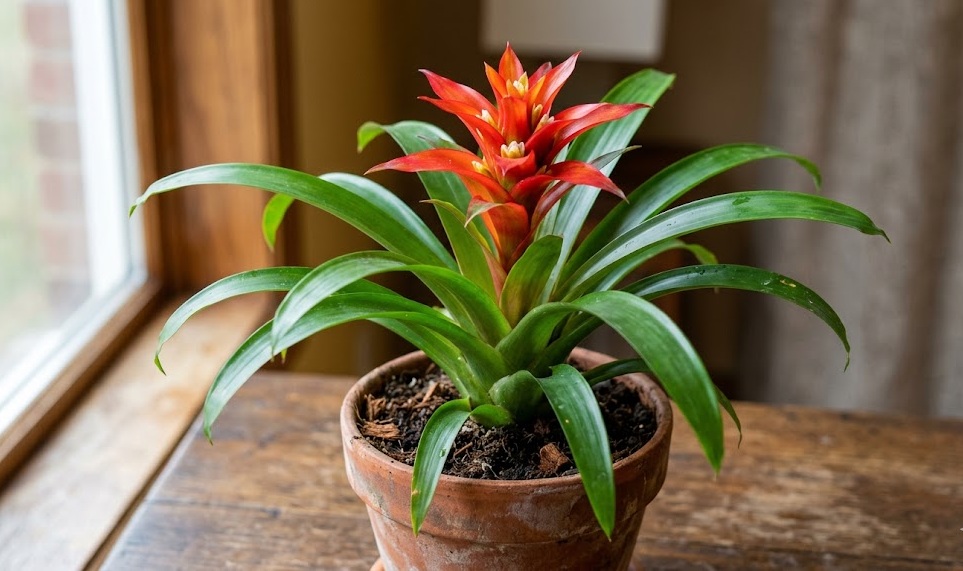

Understanding the specific light requirements of a guzmania bromeliad is fundamental to achieving the vibrant colors and healthy growth patterns that enthusiasts desire. These plants have evolved under the dappled sunlight of tropical rainforest canopies, where they receive filtered illumination rather than direct, harsh rays. Replicating this balance in an indoor setting requires a professional eye for placement and an awareness of how light intensity changes throughout the day. By providing the ideal light conditions, you can ensure that your plant not only survives but truly flourishes as a centerpiece of your collection.
The most successful environment for this species is one that provides bright, indirect light for the majority of the day. A location near an east-facing window is often considered the gold standard, as it offers gentle morning sun that is less likely to scorch the leaves. If you use a south or west-facing window, you should provide a sheer curtain to diffuse the light and protect the foliage from the intense midday heat. Without proper protection, the leaves can quickly develop permanent brown or white patches known as sunscald.
You can judge whether your plant is receiving the correct amount of light by observing the color and shape of its leaves over time. If the leaves become exceptionally dark green and start to stretch or lean toward the light source, the plant is likely not receiving enough illumination. On the other hand, if the foliage takes on a yellowish or bleached appearance, it is a clear sign that the light intensity is too high. A healthy guzmania will maintain a balanced, compact rosette with leaves that are a vibrant, rich shade of green.
The duration of light exposure is just as important as the intensity when it comes to the plant’s long-term health and blooming potential. These tropical plants are accustomed to consistent day lengths throughout the year, typically receiving around twelve to fourteen hours of light daily. In regions where winter days are short, you might find that your plant struggles to maintain its vigor and color without supplemental lighting. Maintaining a consistent light schedule helps the plant regulate its internal biological clock and prepares it for its eventual flowering phase.
Managing seasonal variations in indoor light intensity
As the seasons change, the angle and intensity of the sun entering your home will shift, requiring you to adjust the position of your bromeliad accordingly. During the summer months, the sun is higher in the sky and much more powerful, which can increase the risk of heat stress and leaf damage. You may need to move your plant a few feet back from the window or find a more shaded spot during the peak of the season. Being proactive about these seasonal shifts is a professional habit that prevents environmental damage before it occurs.
More articles on this topic
In the winter, the challenge reverses as the available natural light becomes much weaker and the days grow shorter. This is the time when you should move your guzmania as close to the brightest window as possible to ensure it can still photosynthesize effectively. Be mindful of the temperature near the glass, however, as cold panes can damage the foliage even if the light levels are adequate. Keeping the windows clean on both the inside and outside can also help maximize the amount of light that reaches your indoor garden.
Artificial lighting can be a highly effective way to manage the light requirements of your plants during the darker months of the year. Modern LED grow lights are designed to provide the specific wavelengths of light that plants need for growth without consuming excessive energy. You can use these lights to supplement natural sunlight or even as the primary light source in rooms that lack windows entirely. Placing the lights on a simple timer ensures that your plants receive a consistent and predictable amount of energy every single day.
When using artificial lights, it is important to maintain the correct distance between the light source and the foliage to prevent heat damage. Most LED grow lights should be placed about twelve to eighteen inches above the top of the plant for the best results. Monitor the plant’s response over the first few weeks and adjust the height of the light if you notice any signs of stress or leaf discoloration. This technical approach allows you to create a perfect tropical environment regardless of the weather outside your home.
Fine tuning light for flowering and aesthetic appeal
The intensity of the light your guzmania receives can directly influence the brilliance and duration of its colorful flower bracts. While the plant can grow in lower light conditions, it often requires brighter light to trigger the production of its stunning central display. If your plant has reached maturity but refuses to bloom, try gradually increasing its light exposure over several weeks to stimulate the process. Patience is required, but providing that extra boost of energy is often all that is needed to see those vibrant colors appear.
More articles on this topic
Once the plant is in bloom, you can move it to a slightly more shaded location to help the colorful bracts last as long as possible. Intense light and heat can cause the flower stalk to fade and dry out more quickly than it would in a cooler, more sheltered spot. This allows you to enjoy the beauty of the floral display in different parts of your home where light might be less than optimal for long-term growth. Just remember to return the plant to its preferred bright spot once the flowering phase has concluded.
Regularly rotating the pot is a professional technique that ensures all sides of the plant receive an equal amount of light over time. If the plant always faces the same direction, it will naturally start to lean toward the light, resulting in a lopsided and unattractive growth habit. A simple quarter-turn every time you water the plant is enough to maintain a perfectly symmetrical and balanced rosette. This small but consistent effort makes a significant difference in the overall aesthetic quality of your specimen.
Finally, remember that light and water are deeply interconnected in the metabolic processes of your bromeliad. A plant that receives more light will naturally use more water and may require more frequent misting to maintain its internal hydration. Conversely, in lower light settings, you should be much more careful not to overwater the plant as its metabolic rate will be slower. Balancing these two factors is the essence of professional horticulture and the secret to a thriving, healthy guzmania collection.