
Cultivating a pomegranate tree requires a blend of patience and specific horticultural knowledge to ensure the plant reaches its full potential. These resilient trees are celebrated for their vibrant flowers and nutrient-rich fruits, making them a centerpiece in many Mediterranean-style gardens. You must provide an environment that mimics their native arid climates while accounting for local soil variations and moisture levels. Success begins with understanding the fundamental biology of the plant and how it interacts with its immediate surroundings throughout the changing seasons.
The initial stage of care focuses heavily on establishing a strong root system that can support future growth and fruit production. You should observe the plant closely during its first two years, as this period determines the structural integrity of the mature tree. Providing consistent support through proper placement and initial monitoring prevents many common issues that growers face later in the plant’s life cycle. Healthy development at this stage ensures that the tree can withstand environmental stressors like wind or unexpected temperature fluctuations.
Air circulation is an often overlooked aspect of general care that significantly impacts the overall vitality of the pomegranate. By ensuring that the branches are not overly crowded, you allow sunlight to reach the inner parts of the canopy and reduce the risk of fungal infections. This practice also makes it easier to inspect the tree for any early signs of stress or pest activity that might require intervention. A well-ventilated tree naturally stays drier during humid periods, which is essential for maintaining the health of the foliage and developing fruit.
Long-term maintenance involves a cyclical approach where each season dictates a specific set of tasks to keep the tree thriving. You will find that as the tree matures, it becomes increasingly self-sufficient, requiring less intensive daily management compared to its younger years. However, maintaining a watchful eye on the leaves and the texture of the bark remains a vital habit for any serious gardener. This proactive stance allows you to enjoy the aesthetic beauty of the tree while securing a reliable harvest of high-quality pomegranates year after year.
Essential soil conditions and drainage
The foundation of any successful pomegranate grove lies in the quality and structure of the soil provided to the root system. These plants are remarkably adaptable to various soil types, but they truly excel in deep, loamy soils that offer a balance of nutrients and aeration. You should aim for a slightly acidic to neutral pH level, as this range optimizes the uptake of essential minerals required for fruit synthesis. Ensuring that the earth is not overly compacted allows the roots to expand freely and access deep water reserves during the height of summer.
More articles on this topic
Drainage is arguably the most critical factor when considering the long-term survival of your pomegranate tree in a garden setting. While these trees can tolerate short periods of drought, they are highly sensitive to “wet feet,” which can quickly lead to root rot and systemic decline. You can improve natural drainage by incorporating organic matter or creating slightly raised mounds if your garden consists of heavy clay. Testing the drainage rate before the final placement of the tree saves a significant amount of effort and prevents future structural health problems.
Inorganic components like coarse sand or fine gravel can be mixed into the planting hole to further enhance the permeability of the ground. This approach is particularly useful in urban environments where natural soil profiles have been disturbed or heavily compacted by construction. You will notice that trees planted in well-draining substrate exhibit more vigorous growth and a darker, healthier green in their foliage. Proper drainage also helps in flushing out excess salts that might accumulate from irrigation water or synthetic fertilizers over time.
Monitoring the moisture levels at the root zone provides valuable data on how effectively your soil management strategy is working. You can use a simple probe or even a finger test to determine if the subsurface remains waterlogged long after a rain event. Adjusting the soil composition is a gradual process, but the results are visible in the increased resilience of the tree against environmental extremes. A thoughtful approach to soil health creates a stable platform for all other aspects of pomegranate care to succeed.
Strategic nutrient application for fruit quality
Feeding your pomegranate tree requires a nuanced understanding of its growth phases and the specific nutrients needed for flowering and fruiting. Nitrogen is essential during the early spring to promote lush leaf growth and strong vegetative stems that will eventually bear fruit. You should apply balanced organic fertilizers just as the buds begin to swell, providing the tree with the energy it needs to break dormancy. Over-fertilizing with nitrogen late in the season should be avoided, as it can lead to excessive green growth at the expense of fruit development.
More articles on this topic
As the tree transitions into its flowering stage, phosphorus and potassium become the primary requirements for producing healthy blooms and sturdy fruit. These elements support the internal transport systems of the plant and enhance the sugar content within the developing arils. You will find that supplemental applications of kelp meal or bone meal can provide these nutrients in a slow-release format that mimics natural decomposition. This steady supply of minerals prevents the sudden growth spurts that can sometimes cause the fruit to split prematurely on the branch.
Micronutrients like zinc and iron also play a supportive role in maintaining the enzymatic functions and chlorophyll production of the pomegranate. If you notice yellowing between the leaf veins, it may be a sign of a localized mineral deficiency that needs immediate correction. Applying a layer of well-composted manure around the base of the tree provides a broad spectrum of these trace elements in a bioavailable form. This organic approach not only feeds the plant but also improves the microbial life within the soil, creating a more dynamic ecosystem.
Timing your fertilizer applications is just as important as the quality of the amendments you choose to use in your garden. You should ideally split the annual nutrient quota into two or three smaller doses to prevent leaching and ensure a constant supply. Avoid applying any heavy fertilizers in the late autumn, as this might encourage new growth that is too tender to survive the winter frost. By following the natural rhythm of the tree, you ensure that your inputs are used efficiently and contribute directly to a more flavorful harvest.
Mulching for moisture retention and weed control
Applying a thick layer of organic mulch is one of the most effective ways to stabilize the environment around the base of your pomegranate. This protective covering acts as an insulator, keeping the roots cool during the intense heat of the summer and warmer during chilly winter nights. You should use materials like wood chips, straw, or shredded bark, which break down slowly and contribute to the organic structure of the soil. A well-mulched tree requires significantly less supplemental watering, as the evaporation rate from the soil surface is greatly reduced.
Weed competition can sap the energy and moisture away from a young pomegranate tree, hindering its ability to establish itself effectively. Mulching provides a physical barrier that prevents weed seeds from germinating and reaching the light they need to grow. You will save a considerable amount of time on manual weeding by maintaining a consistent mulch depth of about three to four inches. It is important to keep the mulch a few inches away from the trunk itself to prevent moisture buildup against the bark, which could invite pests.
As the organic mulch decomposes, it slowly releases nutrients back into the earth, serving as a natural, low-intensity fertilizer. This process encourages the presence of beneficial earthworms and fungi that further aerate the soil and make nutrients more accessible to the tree. You should replenish the mulch layer annually to maintain its effectiveness and keep the appearance of your garden neat and professional. This simple maintenance task pays dividends in the form of a more resilient tree and a healthier overall soil profile.
Different types of mulch can be selected based on the specific aesthetic and functional needs of your landscape or agricultural plot. For example, darker mulches absorb more heat, which might be beneficial in slightly cooler climates to extend the growing season. You might prefer pine bark in areas with alkaline soil, as it can slightly lower the pH over time as it breaks down. Regardless of the material chosen, the goal remains to create a consistent and protected root zone that allows the pomegranate to focus its energy on fruit production.
Monitoring and adjusting for climate variations
Pomegranates are famous for their ability to withstand heat, but extreme fluctuations in temperature still require careful management and observation. During periods of intense heatwaves, the tree might show signs of wilt even if the soil is relatively moist, as the leaves lose water faster than the roots can provide it. You can alleviate this stress by providing temporary shade for young trees or increasing the frequency of deep watering sessions. Understanding the specific microclimate of your garden allows you to anticipate these challenges before they impact the health of the plant.
Wind protection is another factor that can influence the success of your pomegranate cultivation, especially in open or coastal areas. Strong gusts can damage the delicate blossoms in the spring or cause the heavy, ripening fruit to bruise against the branches in the autumn. You might consider planting a windbreak or using garden structures to diffuse the force of the air around your most prized trees. Protecting the tree from physical damage ensures that the energy of the plant is spent on growth rather than repairing broken limbs or scarred fruit.
Humidity levels can also play a role in the prevalence of certain diseases that might affect the foliage or the fruit’s skin. In more humid regions, you must be more vigilant about spacing and pruning to ensure that the canopy remains dry and well-ventilated. You will find that selecting varieties specifically bred for your local climate can significantly reduce the amount of intervention required. Adapting your care routine to the specific weather patterns of each year is the hallmark of a professional and successful grower.
Recording the dates of the first and last frosts, as well as peak temperature periods, helps you build a personal database for your garden. This historical information becomes invaluable when deciding when to prune, fertilize, or apply winter protection in subsequent years. You should also take note of how the tree responds to different weather events, such as heavy rain during the fruiting season. These observations allow you to refine your techniques and provide more precise care that is tailored to the individual needs of your pomegranate tree.
Indicators of fruit maturity and harvest timing
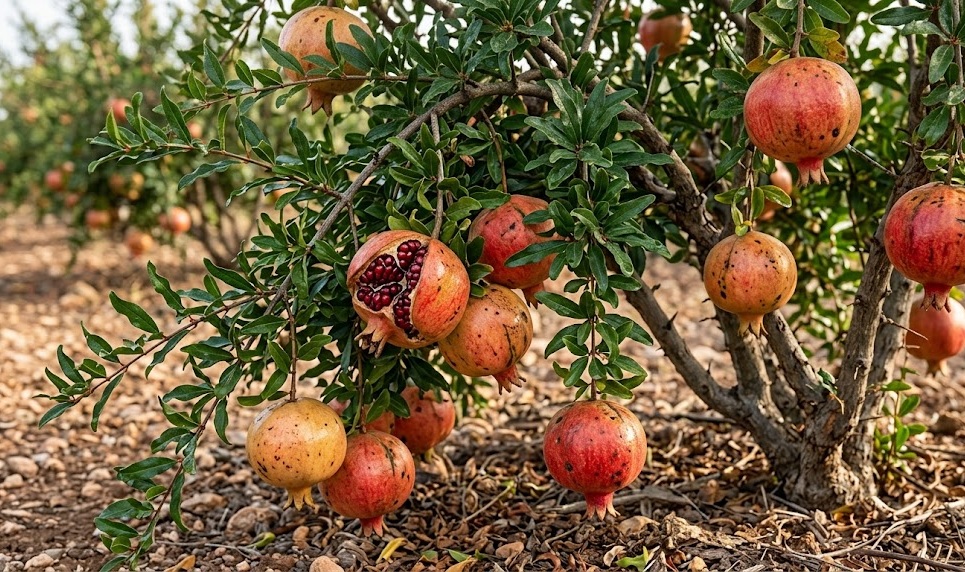
Knowing exactly when to harvest your pomegranates is essential for capturing the best flavor and ensuring the fruit has a long shelf life. Unlike some other fruits, pomegranates do not continue to ripen significantly after they have been removed from the tree. You should look for a change in color, as the skin shifts from a bright green or yellow to a deep, saturated red or brownish-pink depending on the variety. The fruit also tends to lose its perfectly round shape, becoming more angular or “squared off” as the seeds inside swell and press against the skin.
The sound of the fruit when tapped can also provide a clue to its internal ripeness and moisture content. A ripe pomegranate often emits a metallic sound rather than a dull thud, indicating that the arils are full of juice and the skin is tight. You should also check the firmness of the fruit; it should feel heavy for its size and have a slight “give” when pressed firmly with the thumb. Waiting for these physical signs ensures that the sugars have fully developed and the acidity has reached a pleasant balance.
Harvesting should always be done with sharp pruning shears rather than by pulling the fruit off the branch by hand. Pulling can damage the delicate fruiting spurs that will produce next year’s crop and can also tear the skin of the fruit, leading to rapid spoilage. You should cut the stem as close to the fruit as possible to prevent it from puncturing other pomegranates during storage or transport. This professional approach to harvesting preserves the integrity of both the tree and the current season’s bounty.
Once harvested, pomegranates can be stored for several weeks or even months if kept in a cool, dry place with good air circulation. You will find that the flavor can actually improve slightly during the first few weeks of storage as the internal acids mellow out. However, you must regularly inspect the stored fruit for any signs of mold or soft spots that could spread to the rest of the harvest. Proper post-harvest management allows you to enjoy the fruits of your labor long after the growing season has come to an end.
Long term structural maintenance and rejuvenation
As a pomegranate tree ages, its growth patterns may change, requiring a shift in how you approach its structural maintenance. Older trees can sometimes become overly dense with wood, leading to a decline in fruit size and quality as the interior of the tree becomes shaded. You should practice selective thinning to remove older, less productive branches and encourage the growth of new, vigorous fruiting wood. This process of rejuvenation ensures that the tree remains productive and aesthetically pleasing for many decades.
Maintaining the desired shape of the tree, whether as a single-trunk specimen or a multi-stemmed shrub, requires consistent annual attention. You should decide on the structural form early in the plant’s life and stick to that plan to avoid making large, stressful cuts later on. Removing suckers that emerge from the base of the tree is a task that persists throughout the life of the pomegranate. By keeping the base clear, you direct the plant’s energy toward the main canopy where the fruit is produced.
The health of the bark and the main structural limbs should be inspected annually for any signs of cracking or deep wounds. While pomegranates are generally hardy, large wounds can become entry points for wood-boring insects or structural fungi. You can protect exposed wood by ensuring clean cuts during pruning and maintaining the overall vigor of the tree through proper hydration. A healthy, well-maintained structure is the best defense against the natural aging process and environmental pressures.
Eventually, even the most well-cared-for tree may require a more significant “hard prune” to stimulate a complete flush of new growth. This is typically done in the late winter while the tree is still dormant, allowing it to recover quickly as spring temperatures rise. You will see that the tree responds with renewed energy, often producing larger and more vibrant fruit within a couple of seasons. Commitment to long-term care ensures that your pomegranate remains a focal point and a source of pride in your agricultural endeavors.