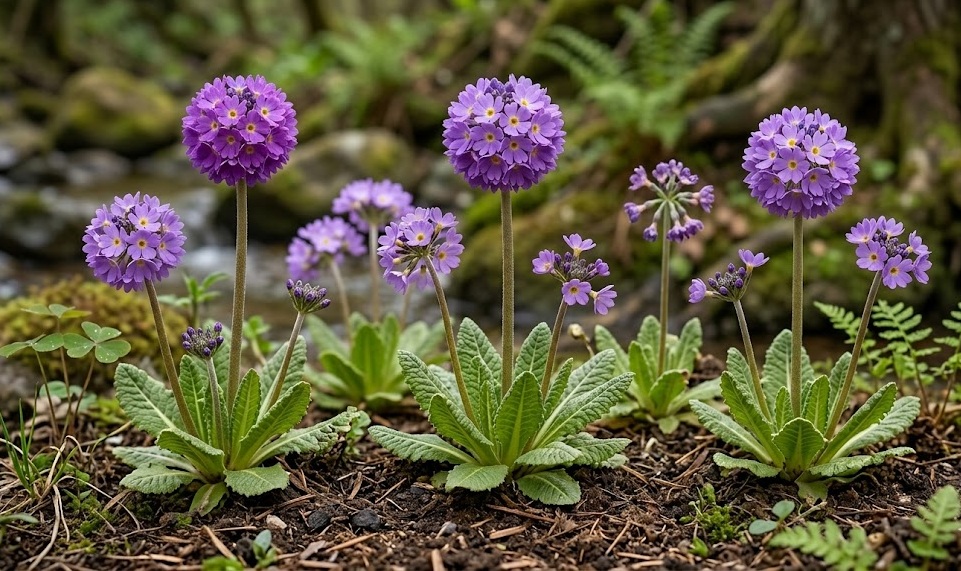

Maintaining the health of these spring-blooming perennials requires a vigilant eye for the various biological challenges that can arise in a garden setting. While generally robust, their preference for moist and cool conditions can sometimes make them vulnerable to specific fungal pathogens and opportunistic insects. A professional approach to pest and disease management focuses on prevention through optimal culture and early intervention when problems occur. Understanding the signs of distress allows the gardener to protect the aesthetic and biological integrity of their primula collection.
Common fungal infections
Botrytis cinerea, also known as gray mold, is one of the most frequent fungal issues encountered when growing these plants in damp, still environments. This pathogen typically attacks the dense, spherical flower heads or the crowded base of the leaves, especially during periods of high humidity. It appears as a fuzzy gray coating that can quickly turn healthy tissue into a soft, rotting mass if left unchecked. Professional prevention involves ensuring excellent air circulation around each plant and avoiding overhead watering that leaves the foliage wet for long periods.
Leaf spot diseases caused by various fungi can also manifest as small, dark lesions that gradually expand and may eventually cause the entire leaf to yellow and die. These spots often have a distinct border and can significantly reduce the plant’s ability to photosynthesize if the infection is widespread. Removing and destroying any infected leaves as soon as they are spotted is the most effective way to stop the spread of spores. Keeping the garden bed clear of fallen debris throughout the year also reduces the reservoir of fungal spores that can infect new growth in the spring.
Crown rot is a more serious fungal condition that usually stems from soil that is too wet or poorly drained, leading to the decay of the plant’s main growing point. A plant suffering from crown rot will often wilt suddenly and may be easily pulled from the ground as its root system has collapsed. Once this disease has taken hold, it is very difficult to save the individual plant, and the best professional course of action is to remove it and improve the local drainage. Avoiding the deep burial of the crown during planting is a key preventative measure against this devastating issue.
Powdery mildew can occasionally appear on the leaves during the later part of the season when the days are warm and the nights are cool. It looks like a light dusting of white flour on the surface of the foliage and can cause the leaves to curl or become distorted. While rarely fatal, it is unsightly and can weaken the plant if it occurs year after year in the same location. Increasing the spacing between plants and ensuring they are not under drought stress will help minimize the impact of this common fungal problem.
More articles on this topic
Identifying insect pests
Slugs and snails are the most persistent pests for almost all types of primulas, drawn by the lush, crinkled foliage and damp habitat. They can cause significant damage in a single night, eating large holes in the leaves or even completely consuming young seedlings and flower buds. A professional gardener will often monitor the plants after dark or early in the morning to assess the level of slug activity in the area. Using copper barriers, grit, or organic baits can help keep these mollusks at bay without harming the surrounding ecosystem.
Aphids are another common insect that can cluster on the tender new growth or the undersides of the leaves, sucking the sap and weakening the plant. Their presence is often signaled by a sticky residue called honeydew or by the appearance of distorted, curling leaves at the center of the rosette. While a small number of aphids may not cause lasting harm, a large infestation can stunt the plant’s growth and potentially spread viral diseases. A strong blast of water from a hose can often dislodge them, or an organic insecticidal soap can be used for more severe cases.
Vine weevil larvae can be a particularly insidious pest, especially for primulas grown in containers or very organic-rich soils. The adult weevils notch the edges of the leaves, but the real damage is done by the subterranean larvae that feed on the roots and the base of the crown. A plant with a severe vine weevil problem will often appear to be suffering from drought even when the soil is moist because its root system is being destroyed. Professional management often involves using beneficial nematodes that target the larvae in the soil during the late summer and autumn months.
Spider mites may become a problem during hot, dry spells in the summer when the plants are already under environmental stress. These tiny pests are hard to see with the naked eye, but their presence is revealed by a fine webbing on the leaves and a mottled, yellowish appearance to the foliage. Keeping the humidity levels up around the plants and ensuring they are well-watered is the best defense against these mites. If an infestation occurs, treating the plants with a horticultural oil or neem oil can help bring the population back under control.
More articles on this topic
Preventative measures and hygiene
The most effective way to manage pests and diseases is to create an environment where the plants are so healthy that they can naturally resist most challenges. This starts with proper site selection, ensuring that the primulas have the right balance of light, moisture, and soil nutrition for their specific needs. A stressed plant is far more likely to be attacked by insects or succumb to a fungal infection than one that is thriving in its ideal conditions. Professional gardening is essentially the art of minimizing plant stress through consistent and thoughtful care.
Maintaining a high level of hygiene in the garden bed is another critical component of a professional preventative strategy. Regularly removing spent flowers, dead leaves, and any fallen plant material reduces the hiding spots for pests and the breeding grounds for fungal spores. It is especially important to clear out the garden at the end of the season to ensure that pathogens do not overwinter near the dormant plants. This simple practice can significantly reduce the number of problems you face in the following spring.
Using clean, sterilized tools when pruning or dividing your plants prevents the accidental transfer of diseases from one part of the garden to another. Dipping your pruners in a solution of rubbing alcohol or a mild bleach mixture between different plants is a standard professional practice. It is also wise to inspect any new plants thoroughly before introducing them into your garden to ensure you are not bringing in hitchhiking pests or diseases. Quarantine and observation of new arrivals are the hallmarks of a careful and professional horticulturist.
Proper spacing between plants ensures that there is always enough room for air to flow freely, which is the best natural defense against many fungal issues. Overcrowding creates a stagnant, humid microclimate that is perfectly suited for the growth of mold and mildew. When planning your garden layout, always take into account the mature size of the primula foliage rather than just the size of the initial planting. By giving each plant its own space, you are proactively protecting its health and the overall beauty of your garden display.
Natural and organic remedies
When intervention is necessary, many professional gardeners prefer to start with natural and organic methods that have a lower impact on the garden’s overall biodiversity. For fungal issues, a spray made from diluted milk or baking soda can be surprisingly effective at changing the leaf surface pH and inhibiting spore growth. Neem oil is another versatile organic tool that acts as both a fungicide and an insecticide, helping to manage a variety of common garden problems. These treatments are best applied in the early morning or evening to avoid any potential leaf burn from the sun.
Encouraging beneficial insects like ladybugs, lacewings, and predatory mites is a long-term professional strategy for managing pest populations naturally. By avoiding broad-spectrum chemical pesticides, you allow these natural enemies to establish themselves and keep aphids and other pests in check. Planting a variety of other flowers nearby can provide the nectar and habitat these helpful insects need to thrive throughout the season. This ecological approach to gardening creates a self-regulating system that requires less intervention over time.
For slug and snail management, barriers made of crushed eggshells, diatomaceous earth, or specialized copper tape can be very effective without using toxins. Some gardeners also use beer traps, which attract and drown the slugs without affecting other wildlife or pets in the area. These mechanical and biological controls are often safer and more targeted than traditional chemical baits. A professional approach involves using a combination of these methods to create a multi-layered defense against the most common garden pests.
Compost tea and other organic biostimulants can be used to boost the plant’s natural immune system and improve the health of the soil microbiome. A soil rich in diverse microbial life is better equipped to suppress harmful soil-borne pathogens that cause root and crown rot. These natural boosters provide a wide array of micronutrients and beneficial bacteria that contribute to the overall resilience of the primula collection. By working with nature rather than against it, a gardener can maintain a professional and healthy garden environment.
Chemical controls and their use
While organic methods are generally preferred, there are situations where a targeted chemical treatment may be necessary to save a valuable collection from a severe outbreak. In these cases, it is essential to choose a product that is specifically labeled for the problem at hand and for use on primulas. A professional gardener always reads the entire product label and follows the application instructions exactly to ensure both effectiveness and safety. Using chemicals should always be viewed as a last resort when other management strategies have failed to produce the desired results.
When applying any treatment, it is important to cover all parts of the plant, including the undersides of the leaves where many pests and fungal spores hide. Avoid spraying during windy conditions to prevent drift onto non-target plants or into areas where it might harm beneficial insects. Timing the application to avoid the peak activity of pollinators is another professional consideration that helps protect the wider garden ecosystem. Always wear the appropriate protective gear as recommended by the product manufacturer to ensure your own safety during the process.
If you are dealing with a persistent soil-borne issue, a chemical drench may sometimes be used to treat the root zone more directly. However, these treatments can be quite harsh on the soil biology, so they should be used with extreme caution and only when absolutely necessary. After any chemical intervention, it is a good idea to focus on rebuilding the soil health with organic amendments once the immediate threat has passed. This balanced approach ensures that you resolve the problem without causing long-term damage to the garden’s productivity.
Regularly rotating the types of treatments you use can help prevent pests and diseases from developing resistance to a particular chemical or organic agent. This practice of integrated pest management is a core component of professional horticulture and ensures that your tools remain effective over time. By staying informed about the latest developments in plant protection, you can make the best decisions for the health of your drumstick primula. Ultimately, the goal is to maintain a professional standard of beauty and health while being a responsible steward of the environment.