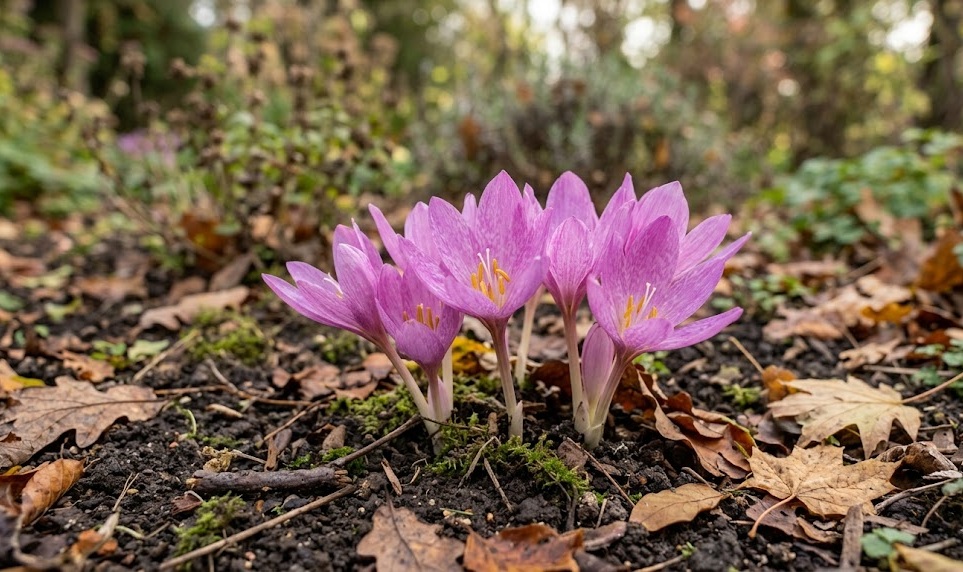

The anatolian saffron is a hardy species, but like all plants, it is susceptible to various pests and diseases that can compromise its beauty and health. You must be proactive in monitoring your plants, especially during the transition periods between their active and dormant phases. Early detection is the most effective way to prevent a minor issue from becoming a catastrophic loss for your garden colony. A professional gardener knows that a healthy, well-maintained plant is always the best defense against any external threat.
Fungal infections are the most common diseases that affect bulbous plants, and the anatolian saffron is no exception. These issues are almost always related to environmental conditions, particularly the balance of moisture and air circulation. You should be especially vigilant during wet springs or unusually humid autumns when fungi can spread rapidly. Understanding the symptoms of common rots and blights will help you take the necessary steps to protect your collection before it’s too late.
Pests come in many forms, from microscopic soil-dwelling organisms to large mammals that find the corms to be a tasty snack. You must consider the entire ecosystem of your garden and how it interacts with your saffron planting. Some pests attack the foliage in the spring, while others target the corms or the flowers directly. Developing a comprehensive pest management strategy involves a combination of cultural practices, physical barriers, and occasionally, targeted treatments.
The goal of disease and pest management is not to create a sterile environment, but to maintain a healthy balance where the plants can thrive. You should aim to use the least invasive methods first, relying on good garden hygiene and proper plant placement to minimize risks. When problems do arise, a professional, systematic approach will help you resolve them efficiently. By staying informed and observant, you can ensure that your anatolian saffron remains a healthy and vibrant part of your landscape.
Identifying and managing fungal rots
Fungal rot of the corm is perhaps the most serious disease you might encounter when growing the anatolian saffron. This condition is usually caused by species of Botrytis or Fusarium, which thrive in cool, wet, and compacted soils. You will notice that affected plants may fail to emerge in the spring, or their leaves may turn yellow and wilt very quickly. If you suspect rot, you must carefully dig up a corm to inspect it for soft, discolored, or foul-smelling patches.
More articles on this topic
Preventing rot starts with ensuring that your planting site has the excellent drainage discussed in previous chapters. You should also avoid over-watering, especially during the dormant summer period when the corm’s defenses are at their lowest. If you find an infected corm, you should remove it and the surrounding soil immediately to prevent the fungus from spreading to healthy neighbors. Never put diseased plant material in your compost bin, as the spores can survive and re-infect your garden later.
Leaf spot is another fungal issue that can affect the anatolian saffron during particularly damp spring seasons. You will see small, dark brown or grey spots appearing on the green foliage, which can eventually merge and cause the leaf to die back prematurely. This reduces the amount of energy the plant can store, leading to smaller flowers in the fall. You can manage this by ensuring there is plenty of air circulation around the plants and avoiding overhead watering that keeps the leaves wet.
In severe cases of persistent fungal issues, you may need to apply a specialized fungicide to the soil or the foliage. However, you should always treat this as a last resort and focus on improving the environmental conditions first. Professional growers often dust their corms with sulfur before planting as a preventative measure against soil-borne pathogens. A clean, well-drained environment is almost always more effective than any chemical treatment at keeping fungal diseases at bay.
Protecting against slugs and snails
Slugs and snails are the most common pests that target the soft tissues of the anatolian saffron, particularly the emerging flowers and spring leaves. These mollusks can cause significant damage in a single night, leaving unsightly holes or even consuming entire flower buds. You will often see their silvery slime trails as a clear indicator of their presence in your garden beds. Because the saffron flowers emerge without protective foliage, they are especially vulnerable to these hungry pests.
More articles on this topic
The most effective way to manage slugs and snails is to create an environment that is less attractive to them. You should keep the area around your saffron clear of long grass, leaf litter, and other debris where these pests like to hide during the day. Using a sharp grit or crushed eggshells as a mulch can create a physical barrier that is uncomfortable for them to cross. These traditional methods are often very effective if maintained consistently throughout the growing season.
If the population of slugs and snails is very high, you may need to use more active control methods to protect your plants. Hand-picking the pests during the evening or early morning is a simple and effective way to reduce their numbers without using chemicals. You can also use beer traps or specialized copper tapes around the perimeter of your most valuable planting areas. These professional-grade barriers provide a high level of protection by using the pests’ natural aversions against them.
When using commercial slug baits, you should always choose products that are safe for pets and local wildlife, such as those based on iron phosphate. You must apply these sparingly and according to the instructions to avoid any negative impact on the broader garden ecosystem. A professional gardener understands that some level of pest activity is normal and aims for “management” rather than total “eradication.” By staying vigilant during the peak activity periods, you can keep your saffron blooms in pristine condition.
Dealing with rodent damage to corms
Rodents, such as voles, squirrels, and mice, can pose a significant threat to your anatolian saffron colony, especially during the winter months. These animals often find the nutrient-rich corms to be an excellent food source when other options are scarce. You might notice that entire clumps of plants fail to emerge, only to find empty tunnels or chewed remains when you investigate the soil. This type of damage can be heartbreaking, as it often affects the largest and most established plants.
Protecting your corms from underground predators requires a bit of ingenuity and physical effort during the planting process. You can plant your corms inside “cages” made of fine hardware cloth or chicken wire to prevent rodents from reaching them. This barrier allows the roots and shoots to grow through while keeping the main body of the corm safe from hungry teeth. This is a common practice among professional bulb growers who live in areas with high rodent populations.
Above-ground activity, such as squirrels digging in freshly disturbed soil, can also be a problem for new plantings. You can cover the area with a layer of heavy wire mesh or stones for the first few weeks after planting to discourage digging. Once the soil has settled and the “scent” of the new corms has faded, the animals are less likely to be interested. Using organic repellents that contain scents like castor oil or peppermint can also provide a temporary deterrent.
Maintaining a clean garden and encouraging natural predators can also help keep rodent populations in check. You should avoid leaving birdseed or other food sources on the ground that might attract mice and voles to your garden beds. If you have a persistent problem, you may need to consult with a professional pest control service that understands how to manage rodents safely in a residential landscape. Protecting your investment from these mammals is a vital part of long-term saffron cultivation.
Viral and bacterial threats
While less common than fungal issues, viral and bacterial diseases can occasionally affect the anatolian saffron and are often much harder to treat. Viruses are usually spread by sap-sucking insects like aphids or through the use of contaminated garden tools. You might see symptoms such as distorted growth, unusual streaking or mottling on the leaves, or stunted flower development. Unfortunately, there are no cures for plant viruses, and infected plants must be removed and destroyed to protect the rest of the colony.
Bacterial soft rot is another serious condition that can cause the corm to turn into a mushy, foul-smelling mass. This is often a secondary infection that enters the plant through wounds caused by pests or careless gardening tools. You should always clean and disinfect your trowels and forks between uses, especially if you have been working with plants you suspect might be diseased. A simple solution of diluted bleach or specialized horticultural disinfectant is very effective for this purpose.
Managing the insects that carry these diseases is the best way to prevent viral infections from taking hold in your garden. You should encourage beneficial insects like ladybugs and lacewings, which are natural predators of aphids and other sap-suckers. If an infestation becomes severe, you can use an insecticidal soap or neem oil to reduce the population of disease-carrying pests. A professional gardener looks at the health of the entire garden as the best way to prevent these rare but serious issues.
Regular inspection of your plants is the only way to catch viral or bacterial problems before they become widespread. You should look for any growth that seems “off” or inconsistent with the healthy plants in your collection. If you are unsure about a particular plant’s health, it is often safer to isolate it in a pot until you can confirm its status. Being disciplined about plant hygiene and source material will save you a great deal of trouble and loss in the long run.
Preventative measures and organic solutions
The most effective way to manage all pests and diseases is to focus on prevention through superior cultural practices. You should always start with the highest quality corms from a reputable professional supplier who can guarantee they are disease-free. Proper site selection, soil preparation, and irrigation, as detailed in previous chapters, are your most powerful tools for maintaining plant health. A plant that is under stress is always the first to be attacked by pests or succumbed to disease.
Practicing good garden hygiene is a simple but vital part of a professional care routine for the anatolian saffron. You should remove any spent flowers and yellowing leaves promptly and dispose of them correctly. Keeping the soil surface clean prevents the buildup of fungal spores and reduces the hiding spots for harmful insects. This “clean as you go” approach ensures that your garden beds remain a healthy environment for your most prized plants throughout the year.
Organic solutions should always be your first choice when dealing with any problems that do arise in your garden. There are many natural products, such as compost teas and botanical oils, that can help boost the plant’s natural defenses. You can also use companion planting strategies, such as growing alliums nearby, which are known to naturally repel many common garden pests. These ecological methods are better for your plants, your soil, and the environment as a whole.
Finally, remember that a certain amount of “nature” is to be expected in any garden, and not every insect or spot is a cause for alarm. You should learn to distinguish between minor cosmetic issues and serious threats to the plant’s survival. Developing this professional judgment takes time and observation, but it will make you a much more successful and relaxed gardener. By focusing on the fundamentals of good care, you will find that the anatolian saffron is a resilient and rewarding species to grow.

Rodents are by far the biggest pest for Anatolian saffron corms in my experience. Squirrels and mice love to dig them up, especially shortly after they have been planted and the soil is still soft. I recommend laying a piece of chicken wire just below the soil surface to prevent them from reaching the bulbs. Slugs can also be a problem for the emerging flowers during damp autumn evenings. Using a bit of copper tape or organic slug pellets can help protect the delicate petals. Always check your corms for any soft spots or mold before planting, as starting with healthy stock is half the battle.