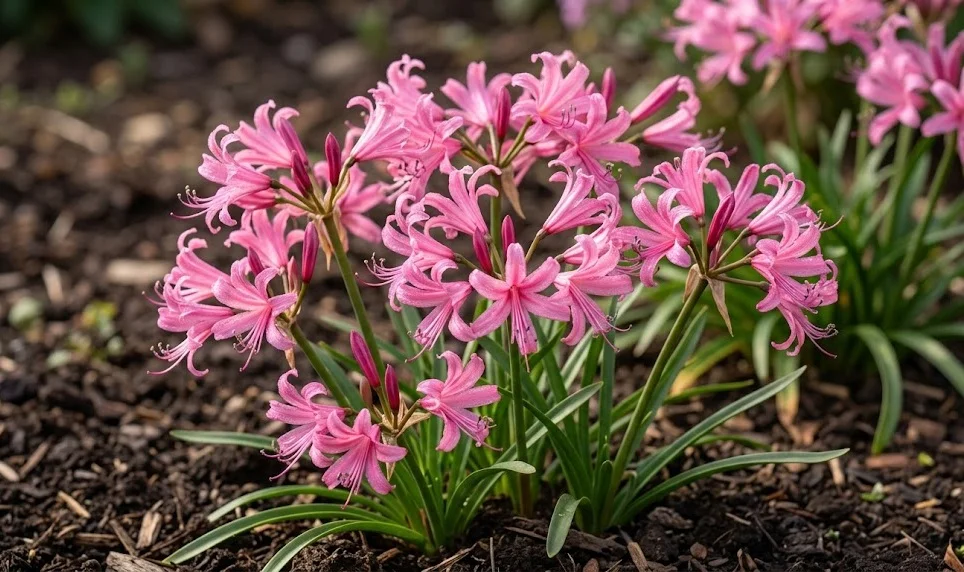

Bowden lily is generally a sturdy bulb, but poor growing conditions can make it vulnerable to disease and pests. Most serious problems begin with excess moisture, weak air movement, or stressed bulbs. A healthy plant in well-drained soil is far less likely to suffer major damage. Prevention, careful inspection, and quick action are the most effective tools.
Bulb rot and fungal problems
Bulb rot is the most dangerous disease issue. It usually develops when bulbs remain wet for too long, especially in cool soil. The basal plate may soften, roots may decay, and the bulb can lose its firmness. Once rot is advanced, recovery is unlikely.
Early signs include yellowing leaves, poor growth, and a loose bulb neck. The plant may fail to flower or collapse suddenly. If lifted, the bulb may show brown, soft, or foul-smelling tissue. Healthy bulbs should be firm and clean, not slimy or spongy.
Prevention depends on drainage and spacing. Bulbs should never be planted in dense soil where water sits around them. Good air movement reduces humidity around leaves and stems. Avoid heavy mulches that trap dampness against the bulb neck.
If rot is found, affected bulbs should be removed. Slightly damaged bulbs can sometimes be trimmed back to healthy tissue and dried before replanting, but this is not always successful. Tools should be cleaned after handling diseased material. Replanting in the same wet place will usually repeat the problem.
More articles on this topic
Leaf spots and weather-related damage
Leaf spotting can appear in damp, still conditions. Small brown or grey marks may develop on the leaves, especially where foliage remains wet overnight. Mild spotting is often cosmetic. Severe infection can reduce photosynthesis and weaken the bulb.
Watering technique matters. Irrigate at soil level rather than wetting the leaves. Morning watering allows foliage to dry before evening. Crowded plantings should be thinned or cleaned to improve airflow.
Weather damage can sometimes look like disease. Frost, hail, sun scorch, and wind abrasion may mark leaves or stems. These injuries usually have a clear pattern related to exposure. Disease spots often spread more gradually or appear with damp conditions.
Remove badly damaged leaves only when necessary. If much of the foliage is still green, it continues to feed the bulb. Cutting everything back too early can reduce next year’s flowers. A balanced response protects both appearance and plant strength.
More articles on this topic
Slugs, snails, and chewing pests
Slugs and snails may chew young leaves and flower stems. Damage is most common in damp gardens or around dense groundcover. Ragged holes and slime trails are typical signs. Fresh shoots are especially attractive after rain.
Good garden hygiene helps reduce shelter for these pests. Remove decaying leaves, boards, and thick wet debris near the bulbs. Gravel mulch can make movement less comfortable for slugs. Encouraging birds, frogs, and beetles supports natural control.
Hand-picking at dusk or after rain can be effective in smaller gardens. Barriers may help around pots or raised beds. Use any bait products responsibly and according to the label. Wildlife-safe choices are preferable where pets and beneficial animals are present.
Chewing damage rarely kills established bulbs, but it can weaken young plants. If leaves are repeatedly destroyed, the bulb cannot replenish its reserves. Protecting early growth is therefore worthwhile. Strong foliage is the foundation of future flowering.
Aphids and sap-sucking insects
Aphids may gather on flower stems, buds, or tender new leaves. They feed by sucking sap and can distort soft growth. Sticky honeydew and sooty mould may follow heavy infestations. Ant activity can also signal aphid presence.
Small infestations can often be washed off with water. Insecticidal soap may be used where pressure is persistent. Coverage must be thorough because aphids hide in folds and bud clusters. Repeat treatment may be needed as eggs hatch or new insects arrive.
Sap-sucking pests are more common on stressed plants. Weak growth from shade, overfeeding, or poor watering can be more attractive to pests. Balanced cultivation improves natural resistance. Strong plants recover faster from minor attacks.
Avoid broad-spectrum insecticides unless absolutely necessary. They can harm predators such as ladybirds, hoverflies, and lacewings. These beneficial insects help keep aphids under control. A garden with good ecological balance usually has fewer severe outbreaks.
Prevention and plant health strategy
The best pest and disease strategy begins with proper planting. Well-drained soil, sun, and moderate feeding create firm, resilient growth. Crowded, damp, overfed plants are more likely to suffer. Good culture is the first line of defence.
Inspect plants regularly during active growth and flowering. Early problems are easier to manage than established infestations. Look at the base of stems, the underside of leaves, and the soil surface. Small changes often reveal problems before they become serious.
Remove dead material at the right time. Old flower stems and collapsed leaves can shelter pests and fungal spores. However, green leaves should remain until they naturally decline. Cleanliness should not come at the cost of weakening the bulb.
When a plant repeatedly struggles, reassess the site. Disease may be a symptom of unsuitable conditions rather than a random event. Moving bulbs to a sunnier, drier, better-drained position can transform their performance. Bowden lily is healthiest when its environment matches its natural preferences.