
Light serves as the fundamental source of energy driving all physiological and developmental processes within these highly prized ornamental plants. Understanding the exact balance between light intensity and photoperiod length is essential for achieving optimal growth and prolific flower production. In their native tropical habitats, these species are adapted to receiving high levels of bright, filtered solar radiation throughout the day. Replicating this luminous environment within a greenhouse or domestic setting requires careful spatial planning and a deep appreciation for seasonal light dynamics.
Bright, indirect sunlight represents the ideal operational envelope for maximizing photosynthetic efficiency without risking tissue damage. Direct, unfiltered midday sun can be exceptionally harsh, particularly during the peak summer months when ultraviolet radiation reaches its zenith. This intense exposure can quickly overheat the leaf blades, destroying delicate chlorophyll molecules and leaving permanent, bleached scorch marks. Utilizing sheer curtains, shade cloth, or placing the plants behind taller vegetation can effectively filter out the most damaging rays while preserving light volume.
Conversely, insufficient light exposure leads to a rapid decline in plant vitality, structural integrity, and overall ornamental value. When grown in deep shade or poorly lit rooms, the plant exhibits a phenomenon known as etiolation, characterized by abnormally elongated, weak stems. The internodal spacing increases dramatically as the plant desperately reaches toward the nearest available light source, resulting in a floppy growth habit. Foliage in low-light environments often becomes pale green or yellow due to reduced chlorophyll synthesis, and flower bud development completely ceases.
Monitoring light levels using a professional light meter provides quantitative data that eliminates guesswork from the cultivation process. Measuring foot-candles or lux at the canopy level allows growers to identify exactly where the optimal light zones are located within their facilities. This scientific approach ensures that every specimen receives the precise quantum of energy required to sustain its metabolic demands. Adjusting plant positions based on these empirical measurements fosters highly predictable growth rates and uniform crop development across the entire collection.
Managing light in indoor environments
Cultivating these luminous-loving plants within residential or commercial indoor spaces presents unique challenges regarding light quality and duration. Standard window glass can filter out essential spectrum wavelengths while simultaneously magnifying heat, creating a complex microclimate that requires constant monitoring. Windows facing east or west often provide excellent bright morning or afternoon light, which is ideal for supporting steady vegetative growth. South-facing windows offer the highest total light volume but may require structural shading during the intense summer months to prevent heat stress.
More articles on this topic
North-facing windows are generally unsuitable as the primary light source because they provide low-intensity, indirect light that cannot sustain prolific flowering. Plants kept in north-facing locations will slowly decline in vigor, showing sparse foliage and a complete absence of flower buds over time. To overcome these natural architectural limitations, growers can utilize modern supplemental lighting technologies to enhance the indoor environment. High-output fluorescent fixtures or specialized full-spectrum LED grow lights can effectively replicate the missing natural solar wavelengths.
When utilizing artificial grow lights, the distance between the light source and the plant canopy must be carefully calibrated to balance intensity and heat dissipation. Placing lights too close can cause localized thermal damage to the upper leaves, while placing them too far away reduces the light intensity exponentially. Setting up automated timers ensures that the plants receive a consistent photoperiod of twelve to fourteen hours of bright light each day. This consistency helps maintain a stable metabolic rhythm, supporting robust health even during the dark, cloudy winter months.
Periodically rotating the containers by ninety degrees every week is a simple yet highly effective practice to ensure uniform light exposure. Plants naturally exhibit phototropism, leaning toward the direction of the dominant light source to maximize their energy capture. If left stationary, indoor specimens will quickly develop an asymmetrical, lopsided growth habit that detracts from their ornamental presentation. Regular rotation encourages straight, upright stem development and ensures that all sides of the foliage remain dense, green, and healthy.
Photoperiodic triggering of flowering
Many cultivars within this botanical group exhibit distinct photoperiodic responses, meaning that their transition from vegetative growth to flowering is triggered by day length. Specifically, certain varieties behave as short-day plants, requiring a specific period of uninterrupted darkness each night to stimulate flower bud initiation. In professional nursery production, understanding and manipulating this dark cycle allows growers to precisely schedule blooming for specific holiday markets. Even minor disruptions in the dark period, such as turning on a greenhouse light for a few minutes, can reset the internal biological clock and delay flowering.
More articles on this topic
To artificially induce flowering out of season, commercial growers utilize complete blackout systems that shield the plants from all ambient light for a set number of hours. This meticulous light management routine must be maintained consistently for several consecutive weeks until the first visible flower buds appear at the shoot apices. Once the buds have successfully formed, the plants can be returned to standard light conditions to allow the blossoms to open fully. This technical precision requires a reliable infrastructure but yields exceptional control over the crop’s production timeline.
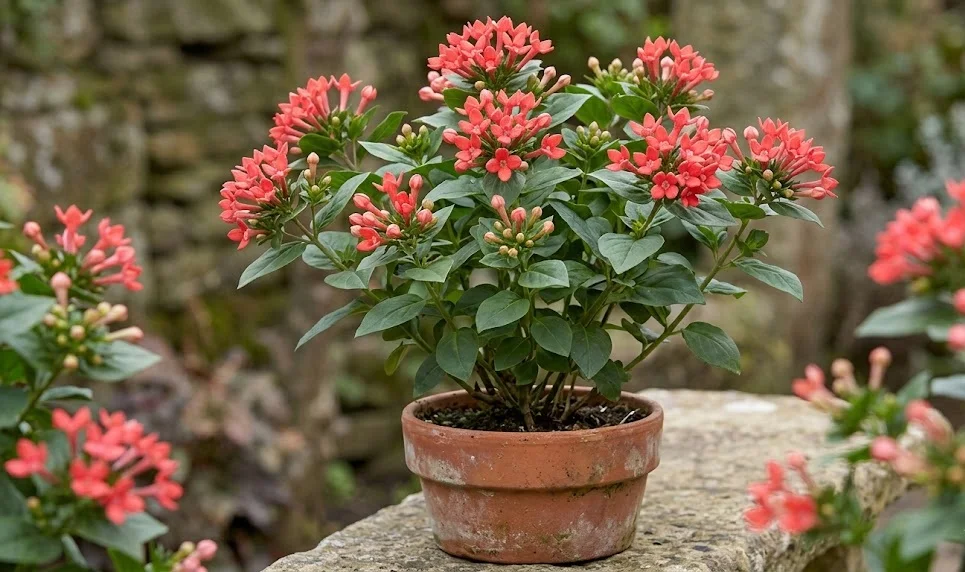
For home gardeners, achieving this strict dark cycle can be challenging due to ambient streetlights or interior room lighting during the evening hours. Placing the plant in a dedicated dark closet or covering it with a breathable, completely light-proof cardboard box each evening can replicate professional blackout conditions. The target is typically twelve to fourteen hours of absolute darkness paired with bright daytime light for a duration of six weeks. This diligent effort is rewarded with a spectacular, synchronized burst of tubular flowers that can brighten any indoor space.
After the flowering cycle concludes, the plant enters a phase where light requirements shift back toward supporting general vegetative recovery and resource storage. Maintaining bright, indirect light during this post-bloom phase allows the foliage to photosynthesize efficiently and rebuild carbohydrate reserves within the stems and roots. Cutting back the spent flower stems encourages the development of new nodes that will be receptive to future photoperiodic triggers. This continuous cycle of light management forms the cornerstone of sustainable, long-term cultivation success for this exquisite species.