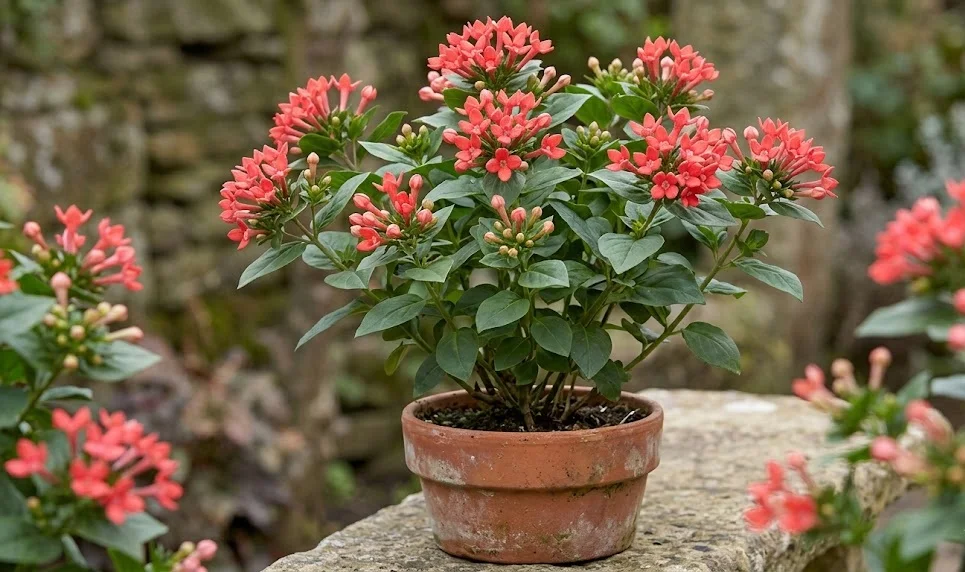

Bouvardia flowers are known for their striking aesthetic value and delicate, tubular blooms that can elevate any professional greenhouse or ornamental garden display. Cultivating these elegant plants successfully requires a deep understanding of their physiological needs, ambient requirements, and growth habits. Horticultural experts emphasize that attention to detail during the initial growth phases ensures a long-lasting and robust flowering cycle throughout the year. By managing environmental factors precisely, growers can achieve spectacular results that maximize both the health and aesthetic appeal of this species.
The overall vitality of the plant depends heavily on maintaining a stable microclimate that mimics its native tropical and subtropical environments. Sudden changes in temperature or air humidity can cause significant stress, which often results in premature leaf drop or a reduction in bud formation. Therefore, monitoring daily conditions within the growing area is considered a fundamental practice for any serious horticulturist. Providing a consistent baseline of care establishes the foundation for more advanced cultivation techniques later in the seasonal cycle.
Air circulation plays an equally vital role in ensuring that the foliage remains dry and free from stagnant moisture pockets. Greenhouses should be equipped with functional ventilation systems that promote gentle air movement without creating harsh, drying drafts. This balance helps regulate the transpiration rate of the leaves, allowing for efficient nutrient uptake from the root zone. Furthermore, proper spacing between individual pots prevents overcrowding and ensures that every part of the plant receives adequate ventilation.
Seasonal adjustments are mandatory because the physiological demands of the plant shift dramatically between the active growing period and the dormancy phase. During the long summer days, metabolic processes accelerate, requiring a proactive management strategy from the grower. Conversely, as winter approaches and daylight hours diminish, the plant naturally enters a slower metabolic state where over-management can do more harm than good. Recognizing these subtle transitions allows professionals to alter their daily routines effectively without shocking the plant’s delicate vascular system.
Substrate selection and root health
The selection of an appropriate growing medium represents one of the most critical decisions in the entire cultivation process. A high-quality substrate must offer exceptional drainage properties while simultaneously retaining sufficient moisture to sustain the root system between interventions. Peat-based mixtures blended with perlite or coarse sand are frequently recommended by agronomists to achieve this delicate structural balance. This configuration prevents the compaction of the medium, which can severely restrict oxygen availability to the roots over time.
More articles on this topic
Healthy roots are characterized by a vibrant white or light cream color and a fibrous structure that fills the container evenly. When the substrate lacks proper aeration, the risk of anaerobic conditions increases exponentially, leading to root suffocation and decay. Regular inspection of the root ball during the repotting process provides valuable insights into the overall success of the current management strategy. Any signs of discoloration or softening should be addressed immediately by modifying the physical properties of the soil mixture.
Maintaining an optimal chemical balance within the substrate is just as critical as maintaining its physical structure. The ideal pH range for these plants generally hovers between slightly acidic and neutral, allowing for the maximum bio-availability of essential micronutrients. Regular testing of the soil pH and electrical conductivity should be integrated into the monthly maintenance schedule to prevent nutrient lockouts. If deviations occur, corrective flushes or specific soil amendments must be applied carefully to restore the equilibrium.
Long-term container cultivation necessitates periodic repotting to accommodate the expanding root network and refresh degraded media. This procedure is best performed in early spring just as the plant emerges from its winter rest period and begins new vegetative growth. Selecting a container that is only slightly larger than the previous one prevents the presence of excess, uncolonized soil that could hold too much moisture. Deliberate handling during this transition minimizes mechanical damage to the fine root hairs, ensuring a seamless recovery.
Environmental temperature control
Temperature management exerts a profound influence on the rate of photosynthesis, respiration, and subsequent flower development in this species. During the primary growing season, daytime temperatures should ideally be maintained within a moderate professional range to stimulate steady vegetative growth. Nighttime temperatures should experience a slight, controlled drop to mimic natural diurnal cycles, which enhances structural integrity. Extreme heat waves must be mitigated through shading or evaporative cooling systems to prevent thermal stress on the delicate tissues.
More articles on this topic
Cold sensitivity is a defining characteristic that growers must constantly respect when planning the layout of their cultivation spaces. Exposing the plant to temperatures below the safe threshold can immediately halt growth and induce severe physiological disorders. Frost is entirely lethal, meaning that outdoor specimens must be brought indoors well before the first autumn freeze occurs. Even localized cold drafts from doors or uninsulated greenhouse glass can cause localized damage, such as leaf curling or bud blast.
The interaction between temperature and ambient humidity requires careful calibration to maintain optimal vapor pressure deficits within the leaf canopy. High temperatures combined with excessively low humidity can force the plant to close its stomata prematurely to conserve water, halting carbon dioxide assimilation. Conversely, cool temperatures paired with high humidity create a perfect environment for fungal pathogens to establish themselves on the foliage. Achieving the correct balance requires automated climate controls or diligent manual adjustments based on reliable sensor data.
Thermal consistency throughout the root zone is often overlooked but remains a major component of successful long-term care. Utilizing insulated benches or floor heating systems in professional setups can help maintain stable root temperatures during colder months. When the root system remains warm, nutrient uptake continues efficiently even if the surrounding air temperature is slightly lower than optimal. This strategy supports overall plant resilience and reduces the recovery time required after brief environmental fluctuations.
Managing humidity levels
Atmospheric moisture levels significantly dictate the transpiration efficiency and structural turgor of the plant throughout its lifecycle. A moderately high relative humidity is ideal during the active vegetative and budding stages to support cell expansion and leaf health. In contrast, dry desert-like air can lead to crispy leaf margins, stunted growth, and an increased susceptibility to specific arachnid pests. Greenhouses often utilize misting systems or under-bench wetting techniques to maintain the desired moisture envelope consistently.
Indoor residential cultivation presents unique challenges regarding humidity, particularly during the winter heating season when indoor air becomes exceptionally dry. Placing pebble trays filled with water beneath the containers can create a favorable microclimate immediately surrounding the foliage. Grouping multiple plants together also helps retain transpired moisture, creating a localized zone of higher humidity that benefits all participants. Regular manual misting can provide temporary relief, though it should never be relied upon as the sole method of humidity control.
Excessive humidity must be managed with equal vigilance, especially during periods of low light intensity or dropping temperatures. When the air becomes saturated, water droplets can condense on the leaf surfaces, creating a bridge for pathogenic spores to enter the plant tissue. Running dehumidifiers or initiating strategic ventilation cycles during the early morning hours can effectively mitigate this specific risk factor. The goal is to maintain a fluid balance where the air feels fresh and dynamic rather than heavy and stagnant.
Monitoring humidity requires reliable hygrometers placed at the canopy level rather than on distant walls or ceilings where conditions may differ. Data collected from these instruments allows growers to make informed decisions regarding irrigation timing and ventilation adjustments. Over time, observing how the plant responds to different humidity profiles helps refine the baseline parameters for the specific growing environment. This empirical approach eliminates guesswork and fosters a highly predictable production or maintenance outcome.
Seasonal maintenance cycles
The annual lifecycle of the plant dictates a dynamic care regime that shifts in harmony with changing natural light and temperature patterns. Spring represents a period of intense revitalization, characterized by rapid bud break and the initiation of new structural shoots. Growers must respond by gradually increasing resource inputs, ensuring that moisture and nutrients are readily available to support this burst of energy. This is also the ideal window for structural pruning and necessary soil remediation tasks.
Summer brings the peak of the flowering display, demanding peak operational efficiency from both the plant and the caregiver. Regular monitoring for moisture depletion becomes a daily necessity, as the high evaporation rates can quickly stress container-grown specimens. Shading may be required during the intense midday hours to protect the pristine quality of the delicate blossoms from sunscald. Deadheading spent blooms during this period stimulates the production of secondary flower clusters, extending the overall ornamental value.
Autumn serves as a critical transition phase where the focus shifts from promoting growth to preparing the plant for its winter rest. Fertilizer applications should be systematically reduced and eventually halted to prevent the formation of tender, frost-vulnerable soft growth. Irrigation frequency must also decline in response to the slowing evaporation rates and shortening daylight hours. Moving outdoor containers to protected environments must be executed systematically before nocturnal temperatures drop significantly.
Winter requires a minimalist approach to care, where the primary objective is simple preservation rather than active development. The plant enters a semi-dormant state, requiring significantly less water and minimal structural intervention from the grower. Keeping the substrate slightly damp but never saturated is the key to preventing root rot during these dark months. Placing the plant in a cooler, well-lit indoor location helps maintain its basic physiological integrity until the spring cycle resumes.
Display and placement strategies
Selecting the perfect location for these plants within a domestic or commercial setting involves balancing aesthetic goals with biological requirements. Placing them in prominent, well-lit entryways or living spaces allows their vibrant blooms to be fully appreciated by visitors and occupants. However, these locations must also satisfy the fundamental criteria of light exposure and temperature stability discussed in professional manuals. Avoid placing containers near active heating vents, air conditioning units, or frequently opened exterior doors that cause thermal shock.
Verandas, sunrooms, and enclosed balconies often provide excellent transitional environments that offer superior light quality compared to deep interior rooms. These spaces allow the plant to experience natural day-length variations, which can naturally trigger healthy flowering cycles without artificial intervention. Care must be taken to monitor nighttime temperatures in these semi-outdoor structures, as they can fluctuate much more radically than fully climate-controlled interiors. Utilizing movable plant stands makes it easy to adjust positions as the seasons progress.
In professional greenhouse operations, bench placement must optimize spatial efficiency while ensuring uniform resource distribution among all crops. High-density arrangements can restrict light penetration to the lower foliage, causing premature yellowing and leaf drop on the bottom branches. Utilizing mesh shelving improves airflow around the base of the pots, reducing the incidence of soil-borne pathogens and pests. Regular rotation of the containers ensures that all sides of the plant receive equal exposure, preventing lopsided growth habits.
Outdoor summer placement can revitalize tired indoor plants, provided the transition is managed gradually over a period of several days. Hardening off the foliage by placing the pots in deep shade initially prevents the intense ultraviolet rays from scorching the tender leaves. Over the course of a week, the plants can be moved into positions that receive gentle morning sun while remaining protected from harsh afternoon rays. Bringing them back indoors before the arrival of stormy autumn weather preserves the integrity of the foliage and root systems.
Long-term plant rejuvenation
Over a period of several years, older specimens can become woody, leggy, and progressively less productive in terms of flower output. This natural aging process requires systematic rejuvenation techniques to restore the vigorous, compact growth habit desired by collectors. Severe structural cutting back, performed during the late winter dormancy period, stimulates latent buds along the old wood to break into fresh growth. This drastic intervention must be supported by optimal subsequent environmental conditions to ensure a successful recovery phase.
Concurrently, the root system of older plants often becomes highly congested and pot-bound, leading to a decline in nutrient absorption capacity. Root pruning represents an effective method to revitalize these compacted systems without necessarily increasing the pot size indefinitely. Carefully trimming away the outer layer of old, circling roots encourages the development of highly efficient, branching root tips. This procedure should always be paired with a fresh, nutrient-rich substrate mix to maximize the restorative effect.
Monitoring the vigor of the plant post-rejuvenation allows growers to evaluate the success of their technical interventions over time. New shoots should emerge with strong turgor, deep green coloration, and short internodal spacing, indicating excellent cellular vitality. If the recovery appears sluggish, adjusting ambient humidity or applying weak seaweed-based stimulants can provide the necessary physiological boost. Patience is required, as the plant reallocates its energy reserves from old structural wood to dynamic new vegetative tissues.
Ultimately, knowing when to replace an aging specimen with fresh propagation material is an essential aspect of professional nursery management. While rejuvenation can extend the useful lifespan of a prized plant for several seasons, younger clones often exhibit superior vigor and flowering potential. Maintaining a continuous cycle of propagation ensures that the grower always has healthy, high-performing specimens ready to replace declining stock. This strategic approach guarantees a consistent standard of quality and visual appeal within any botanical collection.