
Optimizing the exposure to solar radiation is an absolute cornerstone for achieving success when cultivating these stunning, misty annual flowers. They possess a strong preference for bright environments that provide ample energy to fuel their rapid growth and prolific blooming cycles. Understanding how light intensity and duration interact with plant physiology allows you to select the absolute best locations in your landscape. Providing the correct illumination levels directly influences stem strength, foliage density, and the intensity of the gorgeous blossom colors. Tailoring your garden layout to respect these light preferences ensures a spectacular and professional-grade floral display season after season.
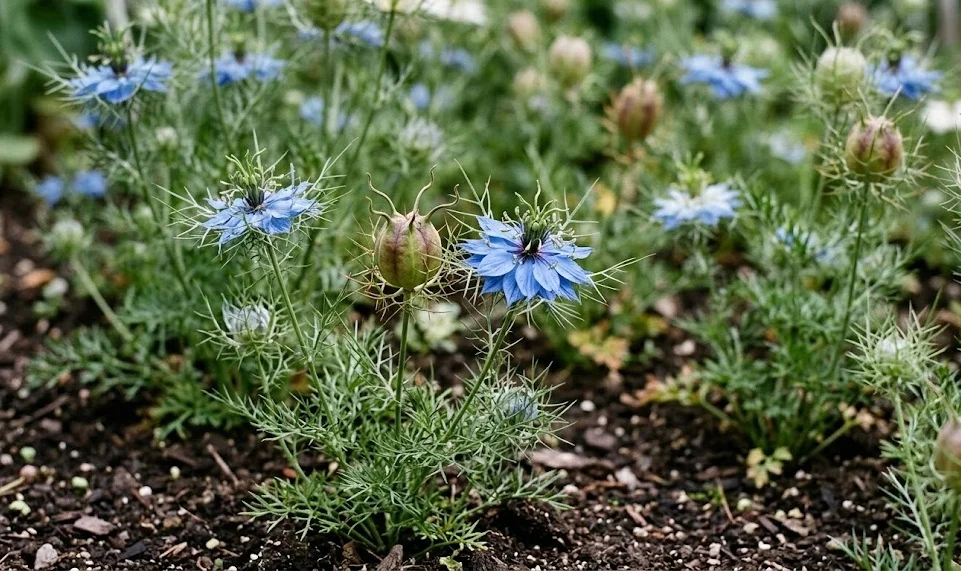
Full sun exposure, defined as receiving at least six to eight hours of direct sunlight daily, represents the ideal condition for these plants. In these brightly lit positions, the plants develop a compact, stocky growth habit with exceptionally strong, self-supporting stems. The intricate, lace-like bracts expand fully, creating the dense, cloud-like aesthetic that makes this species so highly prized in borders. Abundant sunlight also maximizes the production of photosynthetic sugars, providing the energy required to sustain continuous flower bud development. Placing your main plantings in full sun ensures they fulfill their true genetic potential and dominate the landscape beautifully.
While full sun yields the absolute best results, these versatile annuals can tolerate partial shade conditions with only minor adjustments to their form. Partial shade positions, which offer around four to six hours of sunlight or dappled light throughout the day, can still support healthy growth. However, plants grown in less-than-ideal light may stretch toward the illumination source, resulting in taller, somewhat spindly stems. The foliage density may appear slightly less compact, and the total volume of flowers produced could be reduced compared to sunny spots. Understanding these physical adaptations allows you to manage expectations when incorporating these flowers into shaded garden zones.
Monitoring the changing light patterns across your property throughout the growing season provides essential data for optimal plant placement. The angle of the sun shifts continuously from spring to summer, altering the shadows cast by trees, fences, and residential structures. A spot that receives full sun in April might become significantly shaded by June as nearby deciduous trees develop full leaf canopies. Taking the time to map these dynamic light transitions ensures you select locations that remain bright during the critical blooming months. Thoughtful spatial planning based on accurate solar observations is a hallmark of an advanced, highly successful horticulturist.
Physiological impacts of solar radiation on development
Sunlight serves as more than just an energy source for photosynthesis; it acts as a critical regulatory signal that dictates plant development phases. The transition from vegetative leaf production to reproductive flower bud formation is heavily influenced by the intensity and duration of daily light. High solar radiation levels trigger the hormonal changes required to initiate prolific budding across all branches of the plant. Conversely, insufficient light can cause the plant to delay flowering as it channels its limited energy into extending stem length. Mastering the interplay between light and plant hormones is key to managing the timing and abundance of your blooms.
More articles on this topic
The intensity of flower coloration is another fascinating physiological trait that is directly linked to the amount of sunlight the plant receives. The beautiful pigments responsible for the striking blues, soft pinks, and deep purples require high light levels to develop fully. Plants grown in shaded conditions often produce flowers with noticeably muted, washed-out, or pale colors that lack visual impact. Sunlight stimulates the synthesis of anthocyanins, the natural compounds that protect plant tissues from ultraviolet damage while intensifying flower hues. Ensuring full solar exposure guarantees that your borders are filled with the most vibrant, true-to-type colors possible.
Photosynthetic efficiency drops dramatically when plants are subjected to prolonged cloudy periods or excessive shade from aggressive neighboring vegetation. When light is limited, the rate of sugar production slows down, forcing the plant to conserve resources by reducing its overall growth rate. You may notice smaller leaves, thinner stems, and an increased susceptibility to opportunistic pests and diseases when energy reserves are low. Ensuring that your flowers have unobstructed access to the sky allows them to maintain peak metabolic activity and stay healthy. Keeping competing weeds clear and pruning overhanging branches help maximize the available light for your ornamental displays.
Phototropism is the natural phenomenon where plants physically bend and grow toward the strongest source of illumination available to them. In gardens with unidirectional or uneven light, this can cause entire stands of flowers to lean at dramatic, unattractive angles. This leaning habit compromises the structural stability of the slender stems, making them much more vulnerable to snapping during summer storms. To prevent phototropic distortion, plant your drifts in open areas where sunlight is delivered evenly from above throughout the day. Creating balanced light environments preserves the neat, upright, and symmetrical architectural form of your carefully planned flower borders.
Microclimates and managing solar intensity variations
Creating and managing distinct microclimates within your yard allows you to optimize solar exposure for different stages of plant growth. For example, young seedlings germinating during the intense heat of late spring can benefit from temporary, light afternoon shade. Intense solar radiation combined with soaring temperatures can quickly dry out the surface soil and scorch tender, newly emerged foliage. Utilizing lightweight shade cloth or placing pots near taller, airy companion plants can provide the perfect amount of relief. Strategic microclimate management shields your plants from environmental extremes while ensuring they receive sufficient energy to grow strong.
More articles on this topic
Reflections from light-colored structures, such as concrete pathways, white fences, or retaining walls, can significantly intensify the local light environment. These reflective surfaces create high-energy microclimates that warm the soil quickly in early spring, promoting rapid seed germination and early growth. However, during the peak of summer, these same spots can become intensely hot and dry, increasing the plant’s water demands. Monitoring these high-reflection zones allows you to adjust your irrigation schedules to prevent heat stress and dehydration. Utilizing the unique properties of your built environment enhances your ability to create highly customized growing spaces.
Latitude and regional climate variations also dictate how these annual flowers respond to the light environments provided in your garden. In northern regions with cooler summer temperatures and lower solar angles, maximizing every bit of available sunlight is absolutely essential. Conversely, in hot southern climates, the intense midday sun can be stressful, making slight afternoon shade highly beneficial for preserving bloom quality. Adapting general gardening guidelines to fit the specific geographic realities of your local area is key to achieving consistent success. Localized knowledge empowers you to make smart, nuanced adjustments that protect and enhance your floral investments.
Documenting your light-related observations in a garden journal allows you to refine your landscaping layout with precision each year. Record which sections of your borders produced the sturdiest stems and the most vibrantly colored blossoms during the season. Note how different varieties responded to varying levels of shade or intense, direct afternoon solar exposure across your yard. This continuous feedback loop turns everyday observations into actionable insights that elevate your practical gardening skills over time. Every growing season offers a wonderful opportunity to deepen your connection with the natural elements that shape your garden.