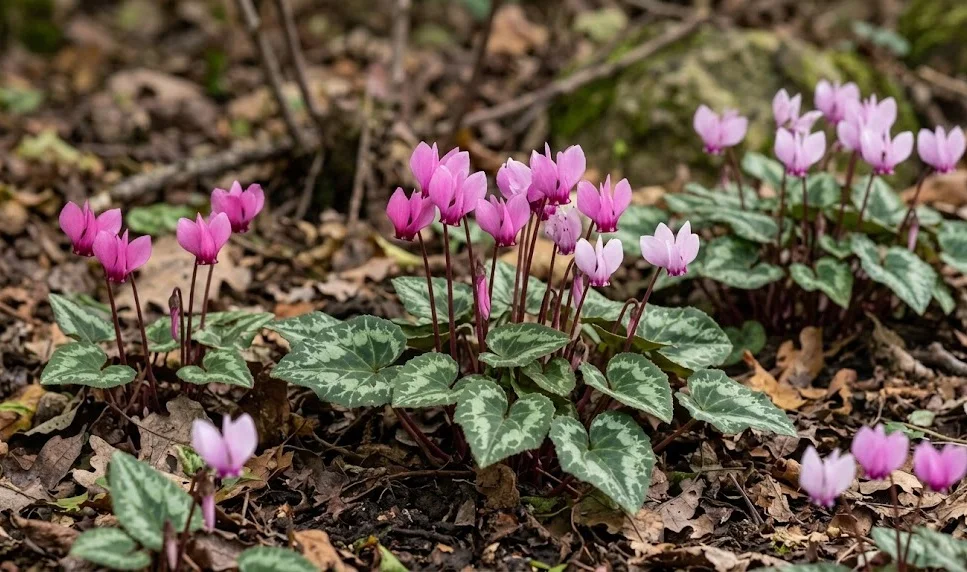

Preparing these hardy woodland perennials for the winter months is a straightforward process because they are naturally adapted to cold temperatures. Unlike their delicate greenhouse cousins, this specific species possesses an impressive level of winter hardiness that allows it to survive freezing conditions outdoors. The winter season is actually a period of active foliage growth, meaning the plants require a balanced approach to protection. Implementing the correct overwintering strategy ensures that the beautiful silver-patterned leaves remain pristine until spring arrives.
The natural hardiness of this species stems from its evolutionary origins in the mountainous and forested regions of Southern Europe. Well-established plants can comfortably tolerate temperatures dropping down to fifteen degrees below zero Fahrenheit without sustaining serious structural damage. Their tubers remain insulated beneath the soil surface, protected from the biting air by the earth itself. This innate resilience makes them an excellent choice for gardeners living in temperate zones with cold winters.
However, the primary winter threat to these plants is not the cold air itself, but rather the combination of freezing temperatures and wet soil. Saturated soil expands significantly when it freezes, which can physically crush or displace the shallowly planted tubers. Furthermore, wet conditions during cold spells can easily trigger fungal rot within the dormant or semi-active root structures. Therefore, ensuring exceptional drainage remains the most critical factor in successful overwintering.
The attractive, ivy-shaped leaves remain fully functional throughout the winter, capturing weak sunlight to perform vital photosynthesis. This winter foliage is incredibly tough, often surviving being buried under a thick blanket of snow for several weeks. The snow actually acts as an excellent natural insulator, protecting the foliage from drying winter winds and extreme temperature drops. Understanding this winter dynamic helps us avoid unnecessary panic when winter storms arrive in the garden.
Applying winter protection
While these plants are highly resilient, providing a light layer of winter protection can be beneficial in regions with erratic winter weather. A thin mulch composed of coarse gravel, pine needles, or oak leaves offers excellent insulation without trapping excessive moisture around the crown. Avoid using heavy, matting materials like wet maple leaves or thick straw, which can suffocate the winter foliage and encourage mold. The goal is to buffer temperature fluctuations while maintaining excellent air circulation around the base.
More articles on this topic
The timing of mulch application is critical for maximizing its protective benefits without disrupting the plant’s natural cycle. Wait until the first hard frost has occurred and the ground has begun to cool down significantly before applying any protective covering. Applying mulch too early in the autumn can trap warmth in the soil, delaying dormancy signals and attracting nesting rodents. This disciplined approach ensures that the plant is fully prepared for winter before the insulation is added.
For plants cultivated in outdoor containers, overwintering requires a slightly different approach due to the limited soil volume. The roots and tubers inside a pot are far more exposed to freezing air than those planted safely in the open ground. Wrapping the containers in burlap or bubble wrap helps insulate the pot walls and prevents the soil from freezing solid. Alternatively, moving the pots close to the sheltered wall of a house provides a significant microclimatic advantage.
Ensure that any protective winter structures or coverings do not completely block out all light from reaching the leaves. Because the foliage is actively working during the winter months, complete darkness for extended periods will weaken the plant significantly. Check the integrity of your winter protection after heavy wind or rain storms to ensure it hasn’t shifted or compacted. Maintaining a light, breathable barrier is the secret to keeping the winter foliage healthy and beautiful.
Severe frost management strategies
In northern regions where winters are exceptionally severe and prolonged, additional management strategies may be necessary to guarantee survival. When extreme frost events are predicted, temporarily covering the beds with a breathable frost cloth or horticultural fleece provides excellent extra protection. This temporary cover should be anchored securely with stones or landscape pins to prevent it from blowing away in high winds. Remove the fleece as soon as the extreme cold snap passes to restore natural light and airflow.
More articles on this topic
Dry winter winds pose a significant risk of desiccation to the evergreen leaves when the surrounding ground is frozen solid. When the soil is frozen, the roots cannot absorb water to replace the moisture lost through evaporation from the leaves. Creating a simple windbreak using evergreen boughs or a low burlap fence can protect sensitive colonies from these drying currents. This mechanical protection keeps the silver foliage looking fresh and prevents the edges from turning brown and crispy.
Avoid walking on or disturbing the cyclamen beds when the soil is deeply frozen or covered in heavy frost. Frozen plant tissues are exceptionally brittle and can snap easily under the pressure of footsteps or heavy garden tools. Damaging the crown or leaves during the winter creates open wounds that can easily become infected when the thaw arrives. Keeping foot traffic completely away from the area preserves the structural integrity of the colony until spring.
If you experience a sudden mid-winter thaw, resist the temptation to remove the protective mulch prematurely. These brief warm spells can trick the plant into accelerating its growth, leaving the tender new tissues vulnerable to subsequent frosts. Keep the insulation in place until the consistent spring weather arrives to ensure a stable, controlled transition. Managing these winter temperature swings with patience prevents frost damage and supports continuous, steady development.
Emerging from the cold season
As winter begins to give way to the warmth of early spring, the management focus shifts toward preparing the colony for its next phase. Gradually thin out the winter mulch as the threat of severe, deep freezes begins to diminish significantly. This gradual removal allows the soil to warm up naturally under the spring sun, stimulating healthy root activity below. Take care not to damage any emerging spring bulbs that may be interplanted within the cyclamen colony.
Inspect the foliage carefully as the snow melts to assess how well the plants have come through the winter months. You may notice a few older leaves that have turned yellow or suffered minor frost damage around the margins. These damaged leaves can be gently removed by hand to tidy up the display and improve overall air circulation. Keeping the center of the plant clean prevents early spring fungal pathogens from establishing a foothold.
The early spring rains provide natural hydration that helps wash away accumulated winter dust from the patterned leaves. If the spring season starts unusually dry, a light watering session can help support the foliage during its final active months. This hydration ensures that the plant can maximize its energy production before entering its summer dormant phase. Observing the health of the spring foliage gives an excellent indication of the tuber’s overall vitality.
Finally, as the trees overhead begin to leaf out, the cyclamen will naturally prepare to wind down its active growth cycle. The shade provided by the emerging tree canopy matches the plant’s natural preference for cooling temperatures as summer approaches. Appreciate the dense, silvery carpet of leaves during these final spring weeks before they naturally disappear from view. This successful emergence completes the winter cycle, leaving the tubers strong and packed with energy for the autumn.