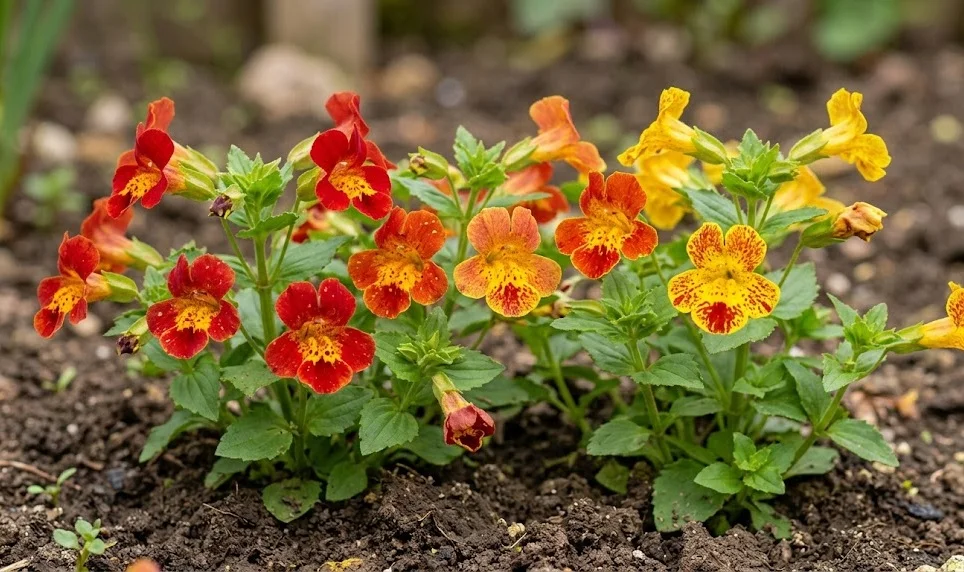

Regular pruning and cutting back are essential practices that you should master to keep your monkey flowers looking their best and blooming as long as possible. Deadheading, which is the process of removing spent flowers, is the most frequent task you will perform throughout the summer months. By removing the old blooms before they have a chance to form seeds, you signal to the plant that it should continue producing new buds. This simple intervention can significantly extend the flowering period and keep the plant’s energy focused on a beautiful display.
When you are deadheading, you should follow the flower stem down to the first set of healthy leaves or the next emerging bud. Using sharp, clean scissors or your fingers to make a clean break will prevent any unnecessary damage to the plant tissue. You might find it helpful to walk through your garden once or twice a week to check for any faded blossoms that need to be removed. This regular attention prevents the plant from looking messy and reduces the risk of fungal issues developing on the decaying flower parts.
In addition to removing individual flowers, you should also keep an eye out for any damaged or yellowing leaves that might appear during the season. You should prune these away as soon as you see them to maintain the overall health and appearance of the foliage. Removing compromised leaves improves the airflow within the plant and allows more light to reach the healthy parts of the stem. A clean and tidy plant is much more resistant to pests and diseases, making your job as a gardener much easier in the long run.
The overall shape of the monkey flower can sometimes become a bit unruly if it is growing in very favorable conditions. You should not be afraid to trim back any stems that are growing too far out of bounds or crossing over each other. Thinning out the center of the plant can be particularly beneficial for improving light penetration and air circulation. A thoughtful approach to maintenance pruning ensures that the plant remains a cohesive and attractive part of your garden design.
Rejuvenating the plant mid-season
About halfway through the summer, you might notice that your monkey flowers are starting to look a bit tired and the flowering has slowed down. This is the perfect time to perform a more significant cut back to rejuvenate the entire specimen and encourage a second flush of growth. You should trim the entire plant back by about a third or even a half of its height, focusing on removing the older, woodier stems. While it might feel drastic to cut away so much growth, the plant will respond quickly with fresh, vibrant foliage.
More articles on this topic
After a major pruning session, you should provide the plant with a good watering and a light dose of balanced fertilizer to support its recovery. The extra nutrients and moisture will give the plant the boost it needs to start producing new shoots and buds almost immediately. Within a couple of weeks, you will see a significant improvement in the appearance and vigor of the plant. This “mid-season haircut” is a professional secret that keeps many flowering hybrids looking fresh until the first frosts of autumn.
If you are growing your monkey flowers in containers, you might need to be even more diligent with your pruning to keep them within the limits of the pot. You should aim to maintain a balanced shape that doesn’t become too top-heavy or lopsided over time. Regular pinching of the growing tips can encourage the plant to branch out and become bushier rather than growing straight up. This technique results in a much more compact and flower-filled specimen that is perfect for a patio or balcony display.
Observation is your best tool when deciding when and how much to cut back your plants during the mid-summer months. You should look for signs of exhaustion, such as smaller flowers, pale leaves, or a general lack of new growth at the tips. Every individual plant will react slightly differently depending on its specific location and the care it has received up to that point. Being flexible and responsive to the needs of each specimen is what makes gardening such an engaging and rewarding practice.
End of season and structural pruning
As the growing season comes to an end in the late autumn, your approach to pruning will shift toward preparing the plant for the winter. You should remove any remaining dead or diseased material to prevent pests from overwintering in the debris around the base of the plant. If you are planning to leave the plants in the ground, cutting them back to about ten centimeters above the soil level is a common practice. This tidy appearance makes it easier to apply a protective layer of mulch for the cold months ahead.
More articles on this topic
For those who choose to overwinter their monkey flowers indoors, a more careful structural pruning is often necessary before bringing them inside. You should trim the plant into a more compact shape that will be easier to manage in a pot on a windowsill. Removing any weak or spindly growth allows the plant to focus its limited indoor energy on maintaining its core structure. This preparation ensures that the plant remains healthy and takes up as little space as possible during its dormant period.
In the early spring, just as you see the first signs of life returning to the garden, you can perform one last cleanup of your monkey flowers. You should remove any stems that didn’t survive the winter and trim back any frost-damaged tips to make way for new growth. This final pruning session sets the stage for a successful new year by ensuring that the plant starts with only the healthiest tissues. Seeing the new green shoots emerge from the base is a wonderful reward for all your hard work and attention.
Reflecting on your pruning experiences throughout the year will help you develop a “feel” for what each plant needs at different times. You might realize that some varieties respond better to aggressive cutting, while others prefer a more gentle touch. Sharing your tips and techniques with fellow gardeners can help everyone achieve more beautiful and productive gardens. Pruning is as much an art as it is a science, and it is one of the most effective ways to truly connect with the plants in your care.