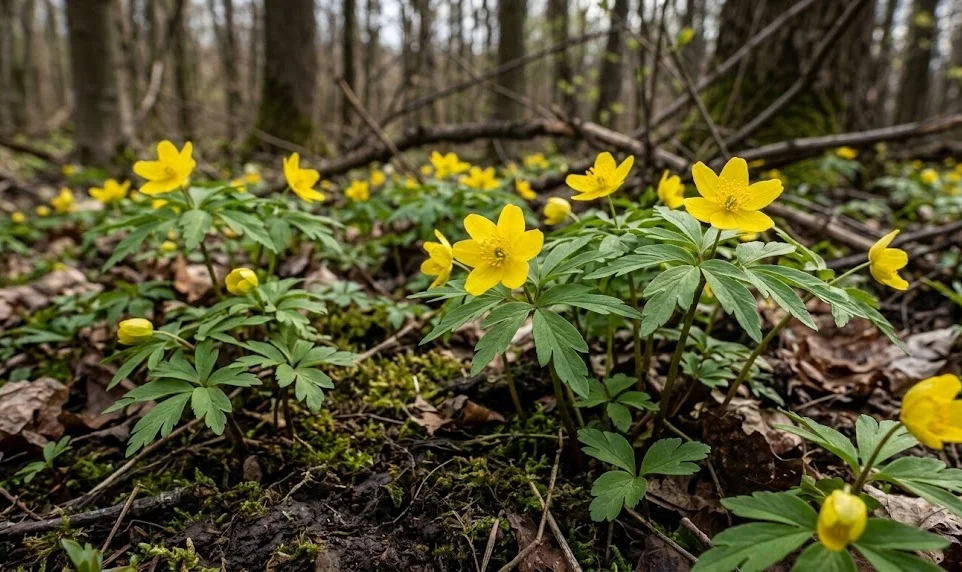

The pruning and cutting back of the yellow wood anemone is a task that requires a delicate touch and a deep respect for the plant’s natural rhythm. Unlike many other garden perennials that benefit from regular trimming to stay tidy, this woodland ephemeral needs its foliage to remain undisturbed for as long as possible. Professional gardeners approach pruning not as a way to shape the plant, but as a method of maintaining hygiene and preparing for the next season. The key is knowing exactly when to step in and when to let nature take its course.
The most important rule when it comes to the foliage of the yellow wood anemone is to avoid cutting it back while it is still green. The leaves are the plant’s only way to photosynthesize and create the energy that is stored in the underground rhizomes for the following year. If you remove the leaves too early, you are essentially starving the plant and ensuring a poor display of flowers in the coming spring. This patience is rewarded with a more vigorous colony that spreads more quickly and blooms more reliably over time.
Once the foliage has completely fulfilled its purpose and turned yellow or brown, it will naturally begin to wither and collapse toward the ground. At this stage, you can perform a gentle cleanup to keep the garden looking neat and to prevent the buildup of potential pests or diseases. This “late-season” pruning is a simple but effective way to maintain the health of the entire patch. A professional approach involves removing the spent material without disturbing the soil surface where the rhizomes are resting.
In addition to foliage management, pruning can also involve the removal of spent flower heads if you wish to prevent self-seeding. While many gardeners enjoy the natural spread of these plants, others may want to keep the colony contained in a specific area. By carefully snipping off the developing seed pods, you can direct the plant’s energy back into the rhizome rather than into seed production. Regardless of your goals, understanding these basic pruning principles will help you maintain a beautiful and healthy anemone patch for many years.
Post-flowering maintenance
Immediately after the yellow flowers have faded, the plant enters its most important phase of energy accumulation. During this time, you should resist any urge to “tidy up” the garden by cutting back the stems or the leaves. Even though the flowers are gone, the plant is working harder than ever to secure its future beneath the soil. Your role during this period is purely supportive, providing water and protection while the foliage remains active and green.
More articles on this topic
If you are not interested in collecting seeds, you can choose to “deadhead” the plants by removing the spent flower stalks. This is a very light form of pruning that can make the patch look a bit neater during the late spring. You should use a small, sharp pair of snips and cut the stalk down to just above where it emerges from the foliage. Be careful not to nick or damage the leaves themselves, as every square inch of green surface area is valuable to the plant.
Deadheading is not strictly necessary for the health of the plant, but it can prevent the anemones from becoming too aggressive in a small garden. Since they can self-seed quite freely in ideal conditions, removing the pods ensures that the colony only expands through its rhizomes. For a more natural or woodland look, many professional gardeners prefer to leave the seed pods in place to encourage a diverse and self-sustaining population. The choice depends entirely on the aesthetic goals you have for your specific landscape.
During this post-flowering period, you should also keep an eye out for any damaged or diseased leaves that might appear. If you see a leaf that is heavily spotted or shows signs of rot, it is best to remove it immediately to prevent the issue from spreading. This selective pruning is a key part of maintaining a healthy garden and protecting the overall vitality of the anemone colony. Use clean, sterilized tools for every cut to ensure you are not accidentally introducing new problems to the patch.
Dealing with yellowing foliage
As the heat of early summer arrives, the foliage of the yellow wood anemone will naturally begin to lose its vibrant green color. This yellowing is a sign that the plant is successfully transferring its nutrients from the leaves down into the underground rhizomes. You should view this transition as a positive part of the plant’s lifecycle rather than a sign of illness or neglect. During this stage, the plant is preparing itself for its long period of summer and winter dormancy.
More articles on this topic
Only when the leaves have become completely yellow, dry, and brittle should you consider cutting them back to the ground. In many cases, the leaves will become so fragile that they can be easily raked away with your fingers or a very soft brush. If the stems are still somewhat tough, you can use garden snips to cut them off just at the soil level. This ensures that the area looks clean and is ready for the next phase of the garden’s seasonal progression.
Removing the old, dry foliage is an important step in preventing the overwintering of fungal spores or insect pests. These spent materials can sometimes act as a “bridge” that allows diseases to survive until the following spring. By clearing them away, you are practicing good garden hygiene and giving your anemones a fresh start for the new year. Always dispose of the old foliage in the trash or a hot compost pile rather than leaving it in the garden bed.
If you have your yellow wood anemones planted among other perennials like hostas or ferns, you may not even need to prune them. The emerging leaves of these larger plants will often grow right over the top of the declining anemone foliage, hiding it from view. This natural “self-cleaning” effect is a hallmark of a well-designed shade garden that minimizes the need for manual maintenance. Allowing the leaves to decompose naturally on the soil surface can also provide a small amount of extra organic matter.
Winter cleanup practices
Winter cleanup is the final phase of the pruning and maintenance cycle for the yellow wood anemone. This involves a quick inspection of the planting area once the ground has frozen or the first snow has fallen. You want to make sure that no heavy debris, such as fallen branches or large mats of leaves from other trees, are smothering the patch. While a light layer of leaves is beneficial, a heavy, airless covering can cause the soil to stay too wet and lead to rhizome rot.
If you find that the area has become cluttered over the winter, you can gently clear the surface by hand to maintain a clean environment. This is also a good time to check your garden labels and stakes to make sure they are still in place and legible. Knowing exactly where your anemones are allows you to avoid stepping on the area or accidentally disturbing the soil during other winter tasks. Professional gardeners use this quiet time to ensure their records and markers are accurate for the busy spring ahead.
Any remaining dead stems that weren’t caught in the fall cleanup can be removed now if they are visible. These stems are usually very brittle by mid-winter and can be snapped off easily without the need for tools. Keeping the surface of the soil relatively clear also makes it easier to spot the first signs of green in the early spring. This “pre-emergence” cleanup is a satisfying way to get a head start on the gardening season while the rest of the landscape is still asleep.
Finally, think about the long-term impact of your pruning and maintenance routine on the health of your soil. Every time you remove organic matter from the garden, you are taking away potential nutrients that could have been recycled. You can compensate for this by adding a light layer of fresh compost or leaf mold to the area after your final winter cleanup. This professional touch ensures that the soil remains rich and fertile, providing the perfect foundation for another year of beautiful yellow wood anemones.