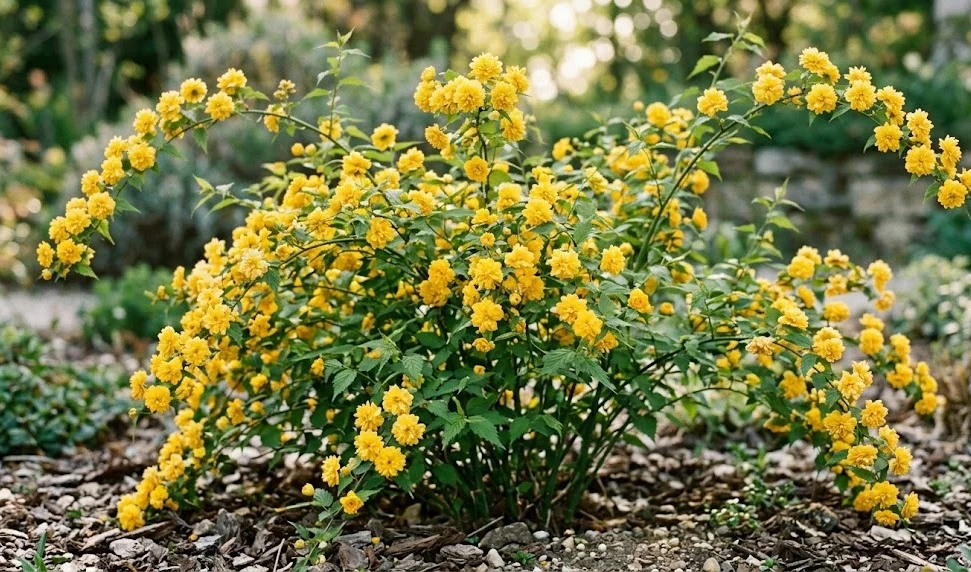

The Japanese kerria is generally regarded as a hardy and resilient shrub, but it is not entirely immune to the pressures of various pathogens and insects. Maintaining a professional garden requires a vigilant eye for the subtle early signs of trouble that can quickly escalate if left unaddressed. By understanding the common biological threats to this species, you can implement effective prevention and treatment strategies that preserve the plant’s health and beauty. A healthy shrub is always its own best defense, so cultural practices that reduce stress are central to any pest and disease management plan.
Managing fungal leaf spot
One of the most frequent issues encountered with this shrub is a fungal infection known as leaf spot, which manifests as small, dark lesions on the foliage. You will notice that these spots often have a distinct border and can eventually merge, causing the entire leaf to turn yellow and drop prematurely. This condition is most prevalent during warm, wet spring seasons when moisture lingers on the leaves for extended periods. While it rarely kills the plant, a severe infection can significantly weaken the shrub and diminish its aesthetic appeal.
Prevention is the most effective way to manage leaf spot in your garden. You should ensure that the plant is spaced properly to allow for maximum airflow, which helps the leaves dry out more quickly after rain or irrigation. It is also important to avoid overhead watering and instead apply water directly to the soil at the base of the plant. By keeping the foliage dry, you create an environment that is much less hospitable to fungal spores.
If you identify an infection, you should immediately remove and destroy the affected leaves to prevent the spores from spreading to healthy parts of the plant. It is a good practice to clean up any fallen debris around the base of the shrub in the autumn, as the fungus can overwinter in dead leaves. If the problem persists year after year despite good cultural practices, you may need to apply a copper-based fungicide in the early spring as the leaves begin to emerge.
Professional gardeners often find that thinning out the center of the shrub helps reduce the humidity within the canopy, which is a major factor in fungal development. You should use sharp, clean tools to make thinning cuts that open up the interior of the plant to light and air. This not only discourages leaf spot but also promotes the growth of healthier, more vigorous stems. A well-pruned Japanese kerria is much more likely to remain disease-free throughout the growing season.
More articles on this topic
Dealing with twig blight
Twig blight is a more serious condition that affects the iconic green stems of the Japanese kerria, potentially causing significant dieback if ignored. You might see the tips of the stems turning brown or black and the bark appearing shriveled and unhealthy. This can be caused by several different fungal or bacterial pathogens that invade the plant’s vascular system. If left unchecked, the blight can move down the stem toward the crown, threatening the overall survival of the specimen.
The first step in treating twig blight is to prune out the infected wood as soon as you notice the symptoms. You should make your cuts several inches below the visible transition between healthy and diseased tissue to ensure you are removing all of the pathogen. It is absolutely essential to sterilize your pruning tools with rubbing alcohol or a bleach solution between every single cut. This prevents you from accidentally spreading the infection to other parts of the plant or to different shrubs in your garden.
Maintaining the overall vigor of the shrub is your best long-term strategy for preventing twig blight. Plants that are stressed by drought, poor nutrition, or improper light levels are much more susceptible to infection. You should provide consistent care and monitor the plant’s health regularly to ensure it has the resources it needs to fend off pathogens. A strong immune system in a plant is just as important as it is in any other living organism.
Environmental factors such as high humidity and poor soil drainage can also contribute to the development and spread of twig blight. You should evaluate the planting site to ensure that water is not pooling around the roots and that the air is not stagnant. If the site is inherently problematic, you might consider moving the shrub to a more favorable location. Correcting the underlying environmental issues is often the only way to achieve a permanent solution to persistent blight problems.
More articles on this topic
Common insect pests
While the Japanese kerria does not have many dedicated insect enemies, it can occasionally be targeted by generalist pests such as aphids. You will usually find these small, soft-bodied insects clustered on the tender new growth or the undersides of leaves in early summer. They feed by sucking the sap from the plant, which can lead to distorted leaves and a sticky substance known as honeydew. In most cases, a healthy plant can tolerate a small population of aphids without any significant long-term damage.
If the aphid population becomes large enough to cause noticeable stress, you can often manage them with a strong stream of water from a garden hose. This physical removal is often sufficient to knock the insects off the plant and disrupt their feeding cycle. You should also encourage natural predators like ladybugs and lacewings in your garden, as they provide excellent biological control. Avoiding broad-spectrum insecticides helps preserve these beneficial insects, which are your best allies in pest management.
Scale insects are another potential pest that can go unnoticed due to their stationary nature and protective coverings. You might see small, bumpy protrusions on the stems that look more like part of the bark than an actual insect. These pests also suck sap and can weaken the plant over time, leading to yellowing foliage and branch dieback. Using a horticultural oil during the dormant season is a professional method for suffocating scale insects without harming the plant.
Spider mites can become an issue during hot, dry summer weather, causing the leaves to take on a stippled or bronzed appearance. You might also see very fine webbing between the stems if the infestation is severe. Keeping the plant well-watered and occasionally rinsing the foliage with water can help keep mite populations under control. If a chemical intervention is necessary, look for products specifically labeled for mites to ensure effectiveness while minimizing impact on other garden life.
Preventive cultural practices
The foundation of any integrated pest management strategy is the use of cultural practices that promote plant health and minimize stress. You should start by ensuring that your Japanese kerria is planted in the right location with the correct light and soil conditions. A plant that is thriving in its environment is naturally more resistant to both diseases and insect attacks. Most “pest problems” are actually secondary symptoms of a plant that is already weakened by poor site conditions.
Sanitation is another critical component of prevention that is often overlooked by casual gardeners. You should make it a habit to remove any dead or diseased wood as soon as it appears, regardless of the time of year. This eliminates potential hiding places for insects and reduces the amount of pathogen inoculum in the environment. Keeping the area around the base of the shrub free of weeds and excessive debris also improves airflow and reduces competition for resources.
Regular monitoring is the only way to catch problems early when they are still easy to manage. You should take a few minutes each week to walk through your garden and inspect your plants for any changes in color, texture, or growth pattern. Look closely at the stems and the undersides of the leaves, where many pests and diseases first appear. Early detection often means the difference between a simple pruning job and the loss of the entire shrub.
Proper watering and fertilizing routines, as discussed previously, are essential for maintaining the structural integrity of the plant tissues. Turgid, well-nourished leaves and stems are much harder for insects to penetrate and for fungal spores to colonize. You should avoid excessive nitrogen fertilization, as the resulting soft, succulent growth is particularly attractive to many pests. A balanced, moderate approach to plant nutrition supports a hardy and naturally protected Japanese kerria.
Remedial actions and biological controls
When a pest or disease problem exceeds the threshold of what cultural practices can manage, you may need to take more direct action. You should always start with the least toxic options, such as insecticidal soaps or neem oil, which have minimal impact on the environment. These products work through physical contact and must be applied thoroughly to all surfaces of the plant to be effective. Always read the label carefully and apply during the cooler parts of the day to avoid leaf burn.
Biological controls involve the introduction or encouragement of natural enemies to manage pest populations. You can purchase beneficial insects like predatory mites or parasitic wasps to release in your garden if a specific pest becomes a major problem. However, creating a diverse garden habitat that provides food and shelter for these creatures is a more sustainable long-term approach. A balanced ecosystem will often regulate itself, keeping pest numbers below the level where they cause significant damage.
In cases of severe and persistent fungal disease, a systemic fungicide might be necessary to protect the plant from the inside out. These chemicals are absorbed by the plant and move through its vascular system, providing long-lasting protection against certain pathogens. However, systemic products should be used sparingly and only as a last resort, as they can have wider ecological implications. Consulting with a local horticultural expert can help you choose the right product and application timing for your specific situation.
Ultimately, the goal of managing diseases and pests is to maintain the Japanese kerria as a functional and beautiful part of your landscape. You should accept that a few spots on the leaves or a handful of aphids are a normal part of a living garden ecosystem. By focusing on the overall health and vigor of the shrub, you can ensure that it remains a resilient and long-lived specimen. Your role as a gardener is to facilitate the plant’s natural ability to thrive while providing a little help when the pressure becomes too great.