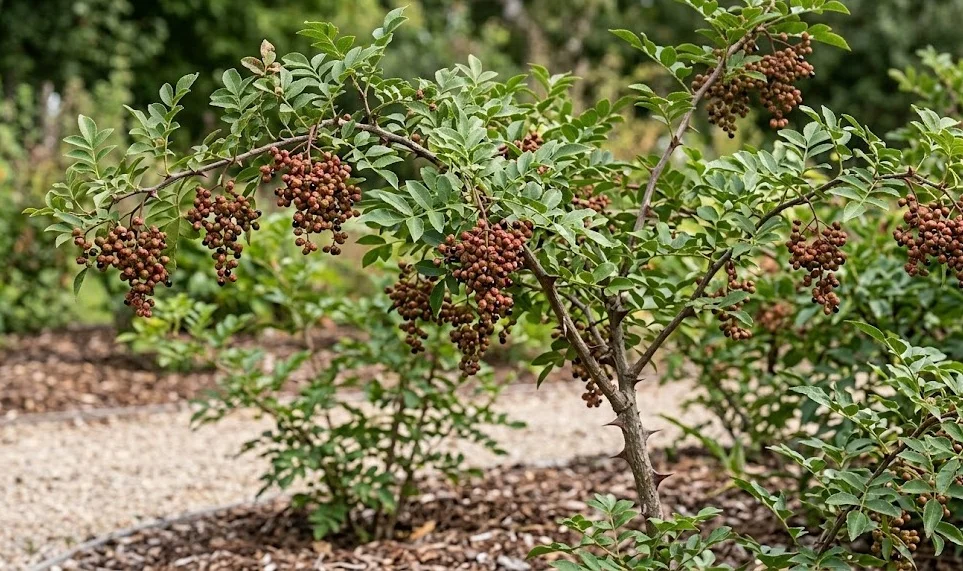

Proper hydration and nutritional support are the twin pillars of a successful management strategy for this aromatic shrub. While it is a resilient species, its ability to produce high-quality peppercorns and lush foliage depends on the consistency of your care. You must learn to read the signals the plant sends, adjusting your approach based on the weather and the stage of the growing season. A professional gardener knows that balance is key, as both neglect and excess can lead to significant health issues.
Establishing a reliable watering routine is especially important during the first two years after the shrub has been planted. During this time, the roots are still exploring the surrounding soil and cannot yet access deep moisture reserves. You should aim to keep the soil evenly moist, providing a deep soaking rather than frequent, shallow sprinkles. This encourages the roots to grow deeper into the earth, which ultimately makes the plant more drought-tolerant in the future.
As the plant matures, its water requirements will fluctuate depending on the heat and the stage of fruit development. During the flowering and fruit-setting period in late spring, consistent moisture is vital to prevent the young berries from dropping. If the soil becomes too dry during this critical window, the plant may sacrifice its crop to protect its own survival. Conversely, once the berries have reached their full size, you can slightly reduce the frequency of irrigation to allow the flavors to concentrate.
The best time to water is in the early morning, allowing the foliage to dry off before the sun becomes too intense. This practice reduces the risk of fungal diseases that thrive in damp, cool conditions overnight. If you are using an irrigation system, ensure that the emitters are placed around the drip line of the canopy rather than against the trunk. This ensures that the water reaches the active root zone where it is needed most for nutrient transport.
Understanding nutrient requirements and timing
Fertilizing this species requires a nuanced approach that prioritizes long-term soil health over quick, explosive growth. In the early spring, as the buds begin to swell, the plant benefits from a balanced application of nutrients to support the upcoming flush of leaves. A slow-release organic fertilizer is often the best choice, as it provides a steady stream of minerals throughout the peak growing months. You should avoid high-nitrogen fertilizers late in the summer, as this can stimulate tender new growth that won’t survive the winter.
More articles on this topic
The primary nutrients—nitrogen, phosphorus, and potassium—each play a specific role in the health of the prickly ash. Nitrogen supports the development of the vibrant green foliage that powers the plant through photosynthesis. Phosphorus is essential for strong root development and the production of flowers, while potassium improves overall stress resistance and fruit quality. Using a fertilizer with a balanced ratio, such as a 10-10-10 or a specific fruit and shrub mix, is generally sufficient for most garden soils.
In addition to the primary macronutrients, the plant may occasionally require supplemental micronutrients like iron or magnesium. If you notice yellowing leaves with green veins, it may be a sign that the soil pH is interfering with the uptake of these minerals. You can apply a chelated iron supplement or adjust the soil acidity to correct these deficiencies and restore the plant’s health. Always follow the manufacturer’s instructions to avoid over-application, which can lead to salt buildup in the soil.
Applying fertilizer should always be followed by a thorough watering to help the nutrients move down into the root zone. You should spread the granules evenly across the soil surface, starting a few inches from the trunk and extending out to the edge of the canopy. Avoid letting the fertilizer come into direct contact with the bark, as the concentrated salts can cause chemical burns. This careful application ensures that the plant receives the maximum benefit with the minimum risk of damage.
The role of organic matter and mulching
Incorporating organic matter into the soil is one of the best ways to provide a natural, long-lasting source of nutrition. Composted manure, leaf mold, or high-quality garden compost can be used as a top-dressing around the base of the shrub every spring. As this material breaks down, it improves the soil structure, increases its water-holding capacity, and feeds beneficial soil microbes. This biological approach creates a self-sustaining environment that mimics the natural forest floor where these plants originated.
More articles on this topic
Mulching is a companion practice to organic fertilization that offers multiple benefits for the health of the prickly ash. A thick layer of wood chips, straw, or shredded bark helps to insulate the soil against extreme temperature changes. This keeps the roots cooler in the summer and provides a bit of extra warmth during the transition into winter. Furthermore, the mulch acts as a barrier that slows the evaporation of water, meaning you can irrigate less frequently while maintaining stable moisture levels.
As the mulch slowly decomposes, it also contributes to the organic content of the soil, further enriching the root zone. You should maintain a mulch layer of about two to three inches, being careful not to pile it directly against the trunk of the shrub. Leaving a small gap around the base allows for better air circulation and prevents the bark from staying too wet, which could lead to rot. This simple maintenance task is one of the most effective ways to promote a professional-looking and healthy garden.
You might also consider using “green manures” or cover crops in the surrounding area if you have a larger plantation. These plants can be grown and then tilled back into the soil to provide a massive boost of nitrogen and organic mass. While this is more common in commercial agriculture, the principles can be adapted to a home garden for exceptional results. Building healthy soil is a long-term investment that pays dividends in the form of a more resilient and productive shrub.
Monitoring for signs of over-watering and salt stress
While water is essential, too much of it can be just as damaging as a drought for the prickly ash. If the soil remains saturated for extended periods, the roots are essentially deprived of oxygen and may begin to die off. You might notice the leaves turning yellow or drooping even though the soil is wet, which is a classic sign of root suffocation. In severe cases, the plant may develop root rot, a fungal condition that can be fatal if not addressed immediately.
If you suspect your plant is suffering from over-watering, the first step is to stop all irrigation and allow the soil to dry out significantly. You may need to improve the drainage in the area by adding sand or creating a small trench to lead excess water away. In heavy clay soils, it is sometimes helpful to plant on a slight mound to ensure the crown of the plant stays above the saturation zone. Being mindful of the soil’s drainage capacity is a hallmark of an experienced and attentive gardener.
Over-fertilization can also cause problems, specifically through the buildup of mineral salts in the soil. This salt stress can “burn” the tips of the leaves, making them appear brown and crispy despite regular watering. If you see white crusty deposits on the soil surface, it is a clear indication that too much fertilizer has been applied. You can flush the soil by watering deeply and slowly for several hours to wash the excess salts away from the root zone.
The key to success is observation and a willingness to adjust your routine based on the plant’s reaction. Every garden has its own unique microclimate, and what works for one shrub might not be perfect for another. By paying close attention to the color, texture, and growth rate of the foliage, you can fine-tune your watering and fertilization. This responsive approach ensures that your prickly ash remains a vibrant and productive part of your landscape for years to come.
Seasonal adjustments to care routines
Your approach to watering and fertilization must change as the seasons progress to match the plant’s natural rhythm. In the late winter or very early spring, you should begin monitoring the soil as the plant wakes up from dormancy. This is the best time for the primary application of fertilizer to fuel the initial burst of spring growth. As the leaves unfurl, the water demand will steadily increase, peaking during the hottest months of July and August.
During the height of summer, you may need to water more frequently, especially if there has been a prolonged dry spell. You should check the moisture level daily if the plant is in a container or if your soil is particularly sandy. Providing a deep drink in the late evening or early morning helps the plant recover from the day’s heat and prepare for the next. Avoid fertilizing during extreme heatwaves, as the plant is already under stress and may not be able to process the nutrients effectively.
As autumn approaches and the berries begin to ripen, you can start to dial back the watering to encourage the wood to harden off. This transition signals to the plant that it is time to prepare for the coming cold and stop producing new, tender shoots. You should cease all fertilization by late summer to avoid any late-season growth that would be susceptible to frost damage. This natural winding down is a crucial part of the plant’s life cycle and contributes to its overall hardiness.
In the winter, the plant’s water needs are minimal since it has dropped its leaves and entered a dormant state. However, if the winter is exceptionally dry and the ground is not frozen, a light watering once a month can prevent the roots from desiccating. This is particularly important for younger plants that have not yet established a deep root system. By following these seasonal guidelines, you provide the consistent support the prickly ash needs to thrive in a variable climate.