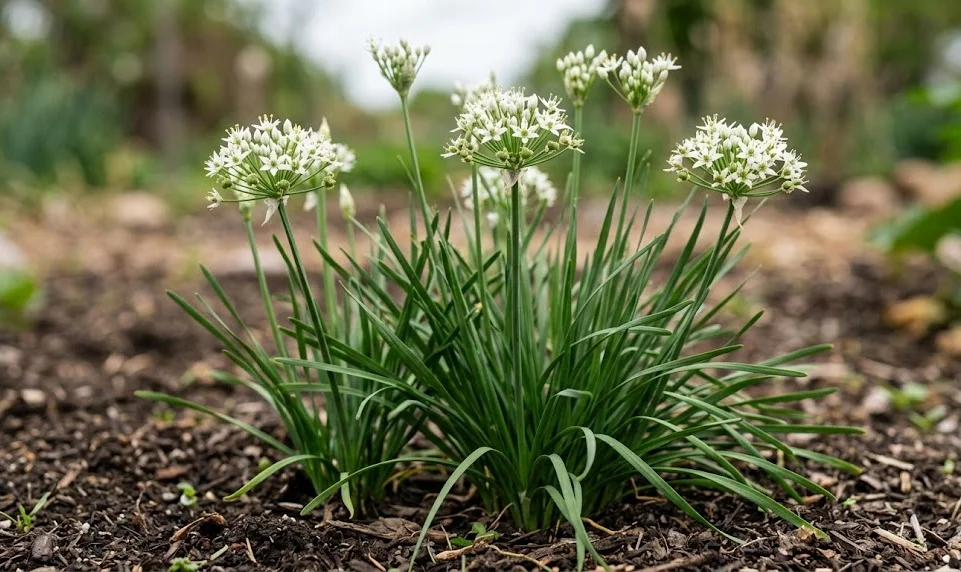

Understanding the specific light requirements of garlic chives is essential for any professional gardener who wants to maximize the productivity and health of this versatile herb. Like many members of the allium family, these plants are highly dependent on solar energy to drive their growth and develop their characteristic flavors. However, they also possess a degree of adaptability that allows them to thrive in a range of lighting conditions if other care factors are optimized. By carefully selecting the planting site based on light availability, you can ensure that your garlic chives remain vibrant and productive for many years.
Photosynthesis is the process by which plants convert light into the chemical energy needed for growth, and garlic chives are no exception. The amount of light a plant receives directly influences the rate of this process, which in turn determines how quickly the leaves grow and how many nutrients are stored in the roots. In a professional gardening context, managing light is just as important as managing water or soil fertility. Plants that receive the optimal amount of light will always be more resilient to pests, diseases, and environmental stressors.
While garlic chives are often described as sun-loving plants, the reality of their needs is slightly more nuanced and depends on the local climate. In regions with very hot and intense summers, some protection from the midday sun can actually prevent the leaves from becoming tough or losing their delicate flavor. Conversely, in cooler or northern climates, every hour of sunlight is precious for ensuring that the plants have enough energy to complete their life cycle. An expert gardener observes the specific conditions of their own landscape to find the perfect balance for their herbs.
The quality of light, not just the quantity, also plays a role in the development of the plant throughout the various seasons. Early morning sun is often considered the most beneficial because it is less intense and helps to dry the dew off the leaves, reducing the risk of fungal problems. Afternoon sun is much stronger and can drive rapid growth, but it also increases the plant’s demand for water and can lead to temporary wilting. Understanding these daily cycles allows you to place your garlic chives in a location where they can thrive from dawn until dusk.
Optimal sun exposure
For the highest quality and most abundant harvest, garlic chives should ideally be planted in a location that receives full sun for most of the day. In horticultural terms, “full sun” usually means at least six to eight hours of direct, unfiltered sunlight during the peak growing months. This level of exposure ensures that the plant has ample energy to produce thick, succulent leaves and strong flower stalks. Professional growers often prioritize south-facing locations or open areas of the garden to meet these demanding light requirements.
More articles on this topic
Plants grown in full sun are typically more compact, with a denser growth habit and a more intense green color in their foliage. The constant energy supply allows them to build up significant reserves in their underground bulbs, which is crucial for surviving the winter and starting strong in the spring. If you find that your garlic chives are becoming leggy or have a pale, yellowish tint, it may be a sign that they are not receiving enough direct sunlight. Moving the plants to a brighter spot can often lead to a dramatic improvement in their overall health and appearance.
The intensity of the sunlight is another factor that should be considered when choosing a permanent home for your perennial herbs. In high-altitude gardens or very southern regions, the sun can be quite punishing, and the plants may benefit from a location that provides some light filtered shade during the hottest part of the afternoon. This prevents the tips of the leaves from burning and helps the plant maintain a steady growth rate even when the temperatures are extreme. A professional approach involves balancing the need for light with the need to protect the plant from physical damage.
Light availability can change over time as other plants in the garden grow and mature, so it is important to reassess the site every few years. A spot that was once in full sun may become increasingly shaded by a neighboring tree or a new garden structure. If you notice a decline in the vigor of your garlic chives, look up and see if something is blocking their access to the sky. Being willing to move the plants to a better location is a sign of a proactive and successful gardener who puts the needs of the plants first.
Handling partial shade
One of the great advantages of garlic chives is their ability to tolerate partial shade, which makes them a valuable addition to many different garden layouts. In a professional setting, partial shade is usually defined as an area that receives about three to five hours of direct sunlight, or dappled light throughout the day. While the growth may be slightly slower than in full sun, the plants can still be very productive and healthy in these less-than-ideal conditions. This flexibility allows you to make the most of the smaller or more challenging corners of your gardening space.
More articles on this topic
In partially shaded environments, the leaves of the garlic chives may grow a bit longer and more slender as the plant reaches for more light. This is a natural adaptation and does not necessarily mean that the plant is unhealthy, although the texture of the leaves might be slightly softer than those grown in the full sun. Some cooks actually prefer the more delicate texture of shade-grown garlic chives for certain culinary applications. Understanding how light affects the final product allows you to tailor your growing conditions to your specific needs or preferences.
Management of other resources becomes even more critical when garlic chives are grown in shaded or partially shaded areas. Because the plants are not photosynthesizing as rapidly, they may require less water than those in the full sun, and overwatering can become a more significant risk. You should also be more vigilant about checking for fungal diseases, as the foliage will take longer to dry out in the shade. A careful and observant approach to care can compensate for the lower light levels and ensure a successful crop.
If you are planting in an area with limited light, try to choose a spot that receives morning sun rather than late afternoon shade if possible. The morning light provides the necessary energy to start the day’s biological processes without the extreme heat that can accompany afternoon sun. This “quality” approach to light management can help the plants make the most of every photon they receive. Garlic chives are resilient and adaptable, but they will always reward you with better growth if you consider their light needs carefully.
Seasonal light shifts
The angle and intensity of the sun change dramatically throughout the year, which has a significant impact on the light available to your garden. In the early spring, when the trees have not yet leafed out, your garlic chives may receive much more light than they will later in the summer. This extra energy is vital for the plant as it wakes up from dormancy and begins the rapid production of its first flush of leaves. Professional gardeners take advantage of this early window of light to get their herbs off to a strong and healthy start.
As the summer progresses and the sun reaches its highest point in the sky, the light intensity is at its peak, and the plants are in their most productive phase. This is the time when the demand for moisture and nutrients is also at its highest to match the increased metabolic rate driven by the sun. If your garden has several different microclimates, you may notice that plants in different areas mature at slightly different rates based on their light exposure. Observing these patterns helps you plan your harvests and maintenance tasks more effectively throughout the season.
In the autumn, the days begin to shorten, and the light levels drop, signaling to the garlic chives that it is time to prepare for winter. The lower light intensity triggers physiological changes in the plant that lead to the yellowing of the foliage and the storage of energy in the bulbs. Even though the plants are growing more slowly, they still need access to light to complete these final seasonal transitions successfully. Avoiding the placement of garden structures or debris that could prematurely shade the plants in the autumn is a good professional practice.
By understanding the seasonal dance of light and shadow in your garden, you can become a much more effective and successful cultivator of garlic chives. Take the time to map out the light patterns in your space throughout the year so you can make informed decisions about where to plant and how to care for your herbs. Light is the fundamental fuel for all plant life, and managing it with precision is one of the most important skills a gardener can develop. With the right light, your garlic chives will continue to be a source of beauty and flavor for many years to come.