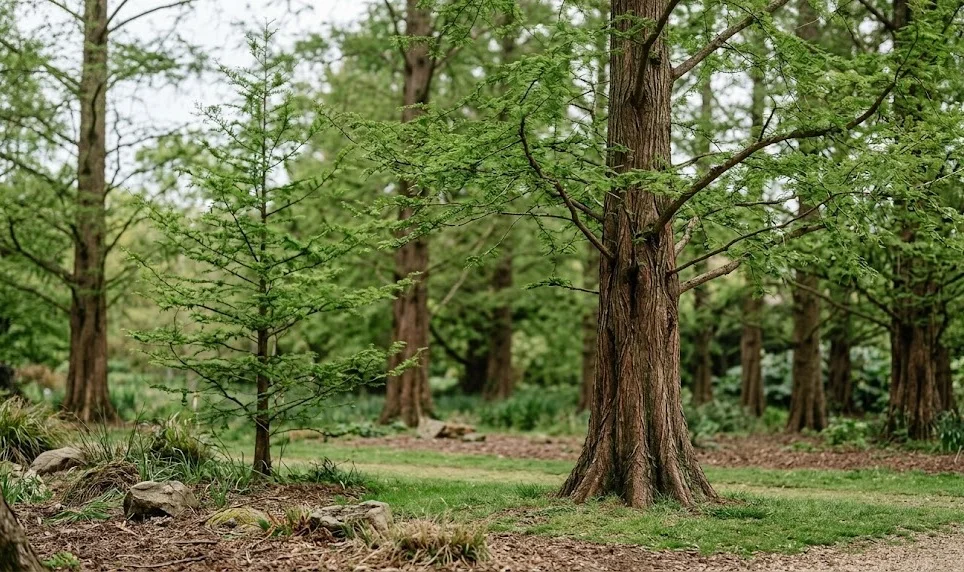

The dawn redwood stands as a magnificent living fossil that brings an ancient grandeur to any large landscape or estate. Managing this fast-growing deciduous conifer requires an understanding of its unique prehistoric origins and its preference for moist environments. Cultivators must prioritize space and soil quality to ensure the tree reaches its full structural potential over the decades. A dedicated approach to its foundational needs will result in a breathtaking specimen that changes beautifully with the passing seasons.
The initial phase of care involves selecting a location that accommodates the massive eventual size of this botanical wonder. Unlike many other conifers, this species thrives in low-lying areas where water naturally collects or near pond edges. Ensuring the soil is deep and rich in organic matter allows the root system to establish itself without unnecessary competition. Landscape architects often recommend keeping this tree far from underground pipes and foundations due to its vigorous and expansive root growth.
In terms of environmental conditions, the dawn redwood is surprisingly resilient once it has moved past its sapling stage. It can tolerate a variety of soil types, including heavy clay, provided there is sufficient drainage to prevent stagnant root rot. While it prefers slightly acidic conditions, it manages well in neutral soils if supplemental nutrients are provided during the peak growing months. Professional arborists suggest monitoring the soil pH annually to maintain the vibrant green hue of the feathery foliage.
The seasonal transition of the dawn redwood is one of its most striking features and requires specific observation from the gardener. As autumn approaches, the soft needles transform into a brilliant copper or reddish-brown before shedding entirely for the winter. This deciduous habit is a natural defense mechanism against heavy snow loads that might otherwise break evergreen branches. Understanding this cycle prevents unnecessary alarm for novice growers who might mistake the seasonal needle drop for a health crisis.
Foundations of health and growth
The health of a dawn redwood is inextricably linked to the consistency of its environmental inputs and the stability of its surrounding ecosystem. Establishing a routine for monitoring trunk integrity and foliage density helps in identifying any physiological stress before it becomes a permanent issue. Young trees benefit from a layer of organic mulch around the base to retain moisture and regulate soil temperature throughout the year. This mulch layer should be kept a few inches away from the trunk itself to prevent bark decay and discourage rodent nesting.
More articles on this topic
Professional maintenance often focuses on the structural development of the tree during its first twenty years of life. Because it grows so rapidly, often exceeding two or three feet per year, the wood can occasionally be somewhat brittle in high-wind areas. Providing a windbreak or choosing a sheltered site can mitigate the risk of limb breakage during summer storms or winter gales. Regular inspections for co-dominant leaders will help ensure the tree maintains its iconic pyramidal shape as it matures toward the canopy.
Soil aeration is another critical aspect of care that is often overlooked in domestic gardening settings. Compaction from foot traffic or heavy machinery can significantly hinder the oxygen exchange necessary for healthy root respiration. Utilizing vertical mulching or air-spade techniques every few years can rejuvenate the soil structure around older specimens. This practice encourages deeper root penetration and enhances the tree’s ability to withstand prolonged periods of environmental fluctuation.
The interplay between light and moisture determines the overall vigor and color intensity of the dawn redwood’s unique foliage. While it is an adaptable species, it will show signs of distress such as leaf scorch if the air is excessively dry and the sun is too intense. High humidity environments actually favor this tree, echoing the misty river valleys of its native Chinese habitat. Creating a microclimate with other moisture-loving plants can help maintain the localized humidity levels that these trees find most comfortable.
Soil management and chemistry
The chemical composition of the soil serves as the primary engine for the dawn redwood’s impressive growth velocity. These trees are particularly fond of nitrogen-rich environments during their formative years to support their rapid upward expansion. Testing the soil for micronutrients like iron and magnesium is also essential, as deficiencies can lead to chlorosis or yellowing of the needles. Organic amendments such as well-rotted compost or leaf mold should be integrated into the soil surface to provide a slow-release source of energy.
More articles on this topic
Drainage remains a paradoxical requirement for a tree that loves water as much as the dawn redwood does. While they can survive temporary flooding, they do not thrive in anaerobic soil conditions where water sits motionless for weeks. Ideally, the soil should be porous enough to allow water to move through the root zone while retaining enough moisture to keep the tree hydrated. If the planting site is naturally prone to extreme saturation, installing a French drain or building a slight mound can provide the necessary balance.
Microbial activity in the soil plays a silent but vital role in the long-term success of any large-scale planting. Mycorrhizal fungi form symbiotic relationships with the tree roots, significantly increasing their surface area for water and nutrient absorption. In urban or disturbed soils, inoculating the planting hole with these beneficial fungi can give the tree a significant advantage. This biological support system helps the tree resist environmental pathogens and improves its overall resilience against drought.
The long-term management of soil pH is a nuanced task that requires patience and a gentle touch with chemical inputs. If the soil becomes too alkaline, the tree may struggle to take up essential minerals even if they are present in the ground. Sulfur applications can be used to lower the pH gradually, but this process should be monitored closely over several seasons. Maintaining a stable environment is always preferable to radical chemical shifts, which can shock the tree’s sensitive root hairs.
Space requirements for maturity
Planning for the future is the most important service a gardener can provide for a dawn redwood specimen. These trees can easily reach heights of over one hundred feet with a substantial spread that can overwhelm a small suburban lot. It is crucial to visualize the tree’s mature silhouette before the first shovel hits the ground to avoid future conflicts with power lines or neighboring structures. Giving the tree at least thirty to forty feet of clearance from other large canopy trees ensures it receives adequate light and air circulation.
The root architecture of the dawn redwood is as impressive as its canopy, often developing flared buttresses at the base as it ages. This wide base provides incredible stability but also requires a large area of undisturbed earth to develop properly. Paving over the root zone or installing heavy landscaping features nearby can restrict this growth and lead to instability. Designing a “no-mow” zone or a dedicated garden bed around the base protects the buttress roots from mechanical damage caused by lawnmowers.
Airflow through the canopy is a natural byproduct of proper spacing and is essential for preventing fungal infections. When dawn redwoods are planted too closely together, the interior foliage can become shaded out and die, leading to a thin and sickly appearance. Maintaining a clear distance between specimens allows the wind to move through the branches, drying the needles after rain and reducing the likelihood of needle cast diseases. This openness also highlights the beautiful, shredding reddish-brown bark that becomes more prominent as the tree matures.
Urban planners often use these trees in park settings where their monumental scale can be truly appreciated by the public. In these environments, the management of soil volume is the primary concern for long-term health and structural integrity. Using structural soils or silva cells can provide the necessary root space even in areas with significant surrounding infrastructure. Providing this “invisible” care ensures that the tree remains a landmark for generations without causing damage to the built environment.
Seasonal observation and monitoring
An attentive grower tracks the dawn redwood’s progress through each phase of its annual growth cycle. In early spring, the emergence of the bright lime-green buds is a clear indicator of the tree’s vitality and the adequacy of its winter protection. This is the time to check for any frost damage on the branch tips, especially in regions with unpredictable late-season freezes. Observing the timing of bud break can help the gardener adjust fertilization and watering schedules to match the tree’s metabolic needs.
During the peak of summer, the tree’s water consumption reaches its maximum, and monitoring for signs of dehydration becomes a daily task. If the needles begin to look dull or start to droop, it is a sign that the transpiration rate is exceeding the roots’ ability to pull moisture from the ground. Providing deep, infrequent watering during heatwaves is much more effective than light daily sprinkling. This encourages the roots to grow deeper into the soil profile, where moisture levels are more consistent.
The arrival of autumn brings a dramatic aesthetic shift that serves as a prelude to the tree’s dormant phase. The change in color from green to bronze is a chemical process where the tree withdraws chlorophyll and prepares to shed its needles. During this time, it is important to reduce supplemental nitrogen to allow the new wood to harden off before the first frost. Cleaning up the fallen needles is generally unnecessary, as they form a natural acidic mulch that benefits the tree’s root zone.
Winter care for the dawn redwood is primarily about observation and protection from physical damage rather than active intervention. Without its foliage, the tree’s architecture is fully exposed, making it the perfect time to inspect the branch structure for any weaknesses or crossing limbs. Heavy snow or ice should be gently brushed off low branches if there is a risk of snapping, although the tree is generally quite flexible. This period of dormancy is vital for the tree’s longevity, allowing it to conserve energy for the explosive growth of the coming spring.
Long term structural integrity
As the dawn redwood transitions from a slender sapling to a massive forest giant, its structural integrity becomes a primary focus. The wood is relatively soft compared to some hardwoods, which means it relies on its symmetrical growth and strong central leader for stability. Professional arborists may recommend occasional weight-reduction pruning on overextended lateral branches to prevent limb failure during extreme weather events. Monitoring the trunk for any signs of vertical cracking or unusual sap flow can provide early warnings of internal stress.
The development of the root flare is a natural and desirable process that enhances the tree’s ability to withstand high winds. This flare, known as a buttress, is a characteristic feature of many ancient tree species and adds to the dawn redwood’s prehistoric aesthetic. Soil should never be piled against the trunk to hide this flare, as this can lead to moisture trapping and bark rot. Instead, the area around the buttress should be kept clear of weeds and competing groundcovers that might hide potential issues.
In many cases, the dawn redwood will naturally maintain a very straight and upright form without much human interference. However, in garden settings where light might be uneven, the tree can sometimes lean toward the strongest light source. Early corrective measures, such as strategic pruning of the heavy side, can help the tree regain its balance and prevent a permanent tilt. A balanced canopy is not only more aesthetically pleasing but is also much safer during the powerful storms that characterize modern climate patterns.
Maintaining the health of the lower branches is often a challenge as the tree grows taller and begins to shade itself out. While it is natural for the very lowest branches to eventually die and fall off, preserving the lower canopy for as long as possible adds to the tree’s majesty. Thinning out neighboring trees or high-branching nearby shrubs can let more light reach the lower sections of the dawn redwood. This holistic approach to light management ensures the tree remains lush and green from the ground up to the tip.
Environmental adaptability and resilience
The dawn redwood has proven to be remarkably adaptable to a wide range of climates beyond its native range in China. It can withstand the frigid winters of Northern Europe and the humid summers of the American South with equal aplomb. This versatility makes it an excellent choice for large-scale reforestation projects and urban greenspaces alike. Its ability to tolerate air pollution and poor air quality further enhances its value as a modern landscape tree for the twenty-first century.
Despite its resilience, the tree does have limits, particularly when it comes to extreme salt exposure or prolonged drought in very sandy soils. In coastal areas, it should be planted behind a primary windbreak to protect the sensitive needles from salt spray. In sandy regions, the addition of heavy amounts of organic matter is necessary to improve the water-holding capacity of the site. Tailoring the care routine to the specific limitations of the local environment is the hallmark of a professional horticulturist.
Climate change presents new challenges for all long-lived species, including this ancient conifer. Shifting rainfall patterns and rising average temperatures may require more intensive irrigation strategies than were necessary in the past. Gardeners should stay informed about local climate trends and be prepared to provide extra support during record-breaking heat or dry spells. The dawn redwood has survived for millions of years, and with a little help from humans, it will continue to thrive in our changing world.
Ultimately, the care of a dawn redwood is a journey that spans decades and rewards the gardener with a sense of connection to the deep past. Watching a small sapling grow into a towering giant is one of the most fulfilling experiences in the world of arboriculture. By providing the right foundation, consistent moisture, and plenty of space, you ensure that this living fossil remains a healthy and vibrant part of the landscape. The legacy of a well-cared-for dawn redwood is one that will be enjoyed by generations long after the original planter is gone.