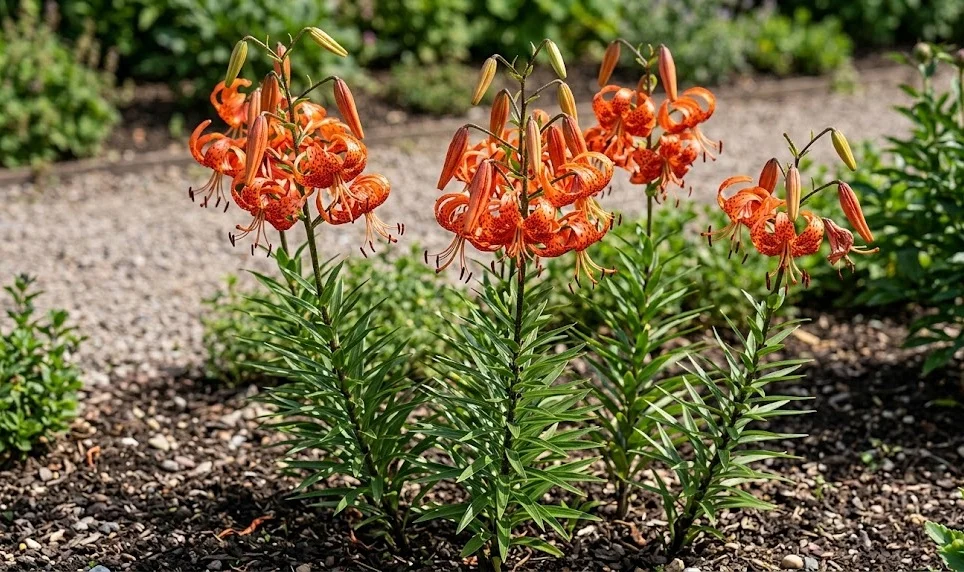

Providing the correct balance of moisture and nutrients is fundamental to sustaining the health and beauty of these lilies throughout the growing season. You must develop a watering strategy that addresses the plant’s need for consistent hydration without allowing the soil to become saturated or oxygen-deprived. Similarly, a professional approach to fertilization involves understanding the specific chemical requirements of the plant at different stages of its development. By carefully managing these two critical inputs, you can ensure that your lilies produce strong, tall stems and a profusion of vibrant, long-lasting flowers.
Principles of effective irrigation
The primary goal of watering should be to maintain a consistent level of moisture within the root zone, avoiding the extremes of drought and saturation. You should check the soil moisture levels regularly by inserting a finger or a moisture meter into the ground near the base of the plant. If the top two or three centimeters of soil feel dry to the touch, it is time to provide a deep and thorough watering. This method encourages the roots to grow deeper into the soil, making the plant more resilient to temporary dry spells.
When applying water, you should always aim for the base of the stems and avoid getting the foliage or flowers wet, especially during the heat of the day. Water left on the leaves can act as a breeding ground for fungal spores and may cause unsightly spotting or burning if the sun is intense. Using a soaker hose or a drip irrigation system is a professional way to deliver water directly to the soil where it is needed most. These systems also help to reduce water waste through evaporation and ensure that the moisture penetrates deep into the soil profile.
The timing of your watering routine can also have a significant impact on the health of your lilies and the efficiency of your garden management. You should ideally water in the early morning hours, which allows any accidental moisture on the foliage to dry quickly as the temperature rises. Evening watering should be avoided if possible, as the lingering moisture and cooler night temperatures can create the perfect conditions for rot and mildew. Consistency is key, as irregular watering can cause the lily stems to grow unevenly or the flower buds to drop prematurely.
During periods of extreme heat or prolonged drought, you may need to increase the frequency of your watering to compensate for the higher rate of transpiration. You should watch for signs of moisture stress, such as wilting leaves or a dulling of the foliage color, and respond quickly to provide relief. However, always be careful not to overcompensate by drowning the bulbs, as they are still susceptible to rot even in warm weather. A professional gardener learns to balance the immediate needs of the plant with the long-term health of the soil and root system.
More articles on this topic
Nutrient requirements and soil fertility
Lilies are relatively heavy feeders that require a steady supply of essential minerals to support their rapid growth and intensive flowering phase. You should focus on providing a balanced NPK (nitrogen, phosphorus, and potassium) ratio that supports all aspects of the plant’s physiology. Nitrogen is essential for lush, green foliage, phosphorus promotes strong root development and flower production, and potassium enhances overall plant health and disease resistance. A well-fertilized plant will not only look better but will also be better equipped to handle environmental stresses.
Early in the spring, as the first shoots emerge, you should apply a granular, slow-release fertilizer to the soil surface around the base of the plants. This provides a consistent supply of nutrients that will last throughout the primary growing period, reducing the need for frequent supplemental feedings. You should always follow the manufacturer’s instructions for application rates to avoid over-fertilizing, which can lead to salt buildup in the soil. Gently scratching the granules into the top layer of soil and watering them in helps the nutrients reach the root zone more effectively.
As the plant begins to form flower buds, you might consider a supplemental application of a liquid fertilizer with a higher phosphorus content to boost bloom quality. This “bloom booster” can help the flowers reach their maximum size and intensity, while also improving the strength of the flower stalks. You should apply liquid fertilizers according to the specific needs of your plants, taking care not to let the concentrated solution come into direct contact with the leaves. This targeted approach to nutrition is a common practice among professional growers and exhibitors who want to achieve the best possible results.
Micronutrients, such as iron, magnesium, and calcium, also play vital roles in the complex metabolic processes of the Chinese lily. You should ensure that your soil has a healthy amount of organic matter, which naturally contains many of these trace elements in a form that plants can use. If you notice specific symptoms like yellowing leaves or stunted growth, it may be a sign of a micronutrient deficiency that requires a specialized foliar spray or soil amendment. Maintaining a diverse and biologically active soil environment is the best long-term strategy for ensuring a complete nutritional profile for your garden.
More articles on this topic
Organic vs synthetic fertilizers
Choosing between organic and synthetic fertilizers is a decision that affects both the immediate growth of your lilies and the long-term health of your garden soil. You will find that synthetic fertilizers offer precise control over nutrient ratios and are often more readily available to the plant in the short term. They are an excellent choice for correcting specific deficiencies quickly or for providing a targeted boost during the flowering season. However, you must use them carefully to avoid harming beneficial soil organisms or causing nutrient runoff into the surrounding environment.
Organic fertilizers, such as well-aged compost, bone meal, and seaweed extracts, provide a more holistic approach to plant nutrition and soil building. You should appreciate that these materials release their nutrients slowly as they are broken down by soil microbes, providing a steady and sustainable food source. They also improve the physical structure of the soil, increasing its ability to hold both water and air, which is essential for healthy lily roots. Using organic amendments reflects a commitment to environmentally friendly gardening practices that benefit the entire local ecosystem.
Combining both methods is often the most effective professional strategy, utilizing the strengths of each to create a robust and productive garden. You can use compost and organic mulches to build a healthy soil foundation while employing synthetic fertilizers for specific, high-demand periods like the transition to blooming. This integrated nutrient management system ensures that the lilies have everything they need without relying too heavily on any single source. Observation and soil testing will help you find the right balance for your specific garden conditions and plant needs.
Regardless of the type of fertilizer you choose, you should always pay close attention to how your lilies respond to each application. You will see that a properly fed lily has a certain “glow” and vigor that is unmistakable to the experienced gardener’s eye. If the plant looks dark green and robust, you are likely on the right track; if it looks pale or stunted, it is time to reassess your nutritional strategy. Professional gardening is an ongoing process of adjustment and refinement based on the living feedback provided by the plants themselves.
Water quality and environmental factors
The quality of the water you use can have a subtle but significant impact on the long-term health of your lily bulbs and the chemistry of your soil. You should be aware that tap water in some areas may contain high levels of chlorine or dissolved salts that can build up in the root zone over time. If possible, collecting and using rainwater is a professional practice that provides the plants with naturally soft water that is free from industrial chemicals. Rainwater also tends to have a slightly acidic pH, which is ideal for the preferences of most lily species.
The temperature of the water is another factor that is often overlooked but can affect the plant’s ability to absorb moisture efficiently. You should avoid using ice-cold water directly from a deep well or refrigerated source, as this can shock the sensitive roots and slow down metabolic processes. Allowing water to sit in a tank or watering can until it reaches ambient temperature is a simple but effective way to ensure a more gentle delivery. This practice is especially important during the heat of the summer when the temperature difference between the air and the water can be extreme.
Environmental conditions like humidity and wind speed also dictate how much water your lilies will need on any given day. You will find that on windy days, the rate of evaporation from the soil and transpiration from the leaves increases dramatically, requiring more frequent irrigation. Similarly, high humidity can reduce the plant’s ability to cool itself, making consistent soil moisture even more critical for maintaining internal temperature balance. Monitoring local weather forecasts and adjusting your watering schedule accordingly is a hallmark of a professional horticultural approach.
Finally, consider the role of drainage and soil type in determining the effectiveness of your watering and fertilization routines. You must ensure that excess water can move away from the bulb to prevent the buildup of anaerobic conditions that lead to root rot. In sandy soils, water and nutrients may leach away quickly, requiring more frequent but lighter applications to keep the plant satisfied. By understanding the unique characteristics of your garden site, you can tailor your care routine to provide the most efficient and effective support for your Chinese lilies.
Monitoring and troubleshooting
Regularly monitoring your lilies for signs of over or under-watering is a fundamental skill that prevents many common garden problems. You should look for yellowing lower leaves, which can be a sign of either too much or too little water depending on the context. If the soil is consistently wet and the leaves are turning yellow, you are likely over-watering; if the soil is bone dry and the plant is wilting, it needs more moisture. Adjusting your habits based on these visual cues is the best way to maintain a healthy balance for your plants.
Similarly, the appearance of the foliage can tell you a lot about the effectiveness of your fertilization program and the availability of soil nutrients. You should be concerned if you see leaves that are unusually small, pale, or distorted, as these are often symptoms of a nutritional imbalance. Excess nitrogen can lead to soft, weak growth that is more susceptible to pests and disease, while a lack of potassium can cause the leaf edges to turn brown. Professional growers use these signs to diagnose problems and apply the correct remedies before the plant’s overall health is compromised.
Keeping a gardening journal is an excellent professional tool for tracking your watering and fertilization activities and the resulting plant responses. You can record the dates of fertilizer applications, the amount of rainfall received, and any observations about the growth and flowering of your lilies. Over time, this record will become an invaluable resource for identifying patterns and refining your care routine for better results in future years. It also helps you remember which products and techniques worked best for your specific garden environment and plant varieties.
In conclusion, mastering the art of watering and fertilizing is a continuous process of learning and observation that pays dividends in the form of beautiful, healthy lilies. You will find that by paying attention to the details and responding to the needs of your plants, you can create a truly spectacular garden display. Whether you are a casual hobbyist or a professional agriculturalist, the principles of good hydration and nutrition remain the same. Enjoy the satisfaction that comes from seeing your lilies thrive under your expert care and attention.