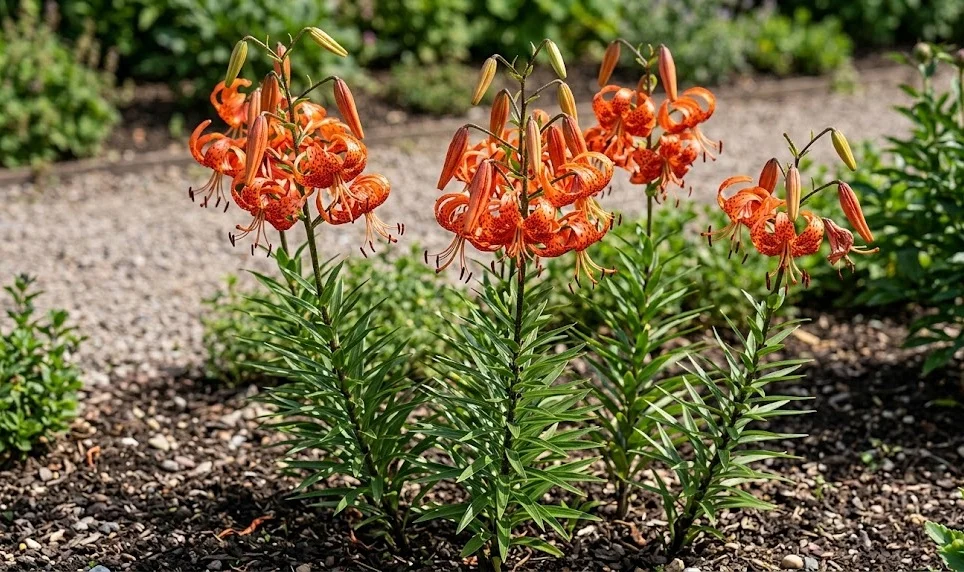

Maintaining a healthy lily collection requires a proactive approach to identifying and managing the biological threats that can compromise plant vigor and aesthetic quality. You must become familiar with the common signs of fungal infections, viral diseases, and insect infestations that typically target this specific species. A professional management strategy emphasizes prevention and early intervention, using a combination of cultural practices, biological controls, and, when necessary, targeted treatments. By understanding the life cycles of these pathogens and pests, you can effectively protect your garden from significant damage and ensure the longevity of your lilies.
Fungal diseases and moisture management
Fungal issues are among the most common problems encountered when growing lilies, often flourishing in environments with high humidity and poor air circulation. You should be particularly vigilant for signs of Botrytis, also known as gray mold, which appears as circular, water-soaked spots on the leaves and flowers. This pathogen can spread rapidly during cool, damp weather, leading to the eventual collapse of the foliage if left unchecked. Removing infected plant parts immediately and improving the spacing between your lilies are essential steps in managing this persistent fungal threat.
Root and bulb rot are even more serious fungal conditions that occur when the soil remains saturated for extended periods, creating anaerobic conditions. You will notice that affected plants may fail to emerge in the spring or may appear stunted and yellow as the growing season progresses. If you suspect rot, you should carefully lift the bulb to inspect it; a healthy bulb is firm and white, while a diseased one will be soft, discolored, and foul-smelling. Improving soil drainage and avoiding over-watering are the most effective ways to prevent these devastating underground infections.
Powdery mildew is another fungal concern that can affect the appearance and health of your lily foliage, especially during the late summer months. You will recognize it by the white, flour-like coating that develops on the surface of the leaves, which can interfere with photosynthesis and weaken the plant. While it is rarely fatal, a severe infestation can detract from the beauty of your garden and make the lilies more vulnerable to other stressors. Maintaining a clean garden and using organic fungicidal sprays can help keep this common issue under control.
The best defense against all fungal diseases is a combination of proper site selection and diligent garden hygiene throughout the year. You should ensure that your lilies are planted in well-draining soil and that you remove any fallen leaves or spent flowers that could harbor fungal spores. Avoiding overhead watering is also crucial, as it keeps the foliage dry and less hospitable to opportunistic pathogens. A professional gardener knows that creating a less favorable environment for fungi is far more effective than trying to cure an established infection.
More articles on this topic
Viral threats and prevention
Viruses are a particularly challenging group of diseases for lily growers because they are systemic and currently have no known cure once a plant is infected. You should watch for symptoms like “breaking” in flower color, where petals show unusual streaks or mottling that is not characteristic of the variety. Distorted leaf growth, stunting, and mosaic patterns on the foliage are also strong indicators of a viral presence within the plant’s vascular system. Because these viruses are often spread by sap-sucking insects, managing the pest population is a key part of viral prevention.
The Lily Symptomless Virus and the Cucumber Mosaic Virus are two of the most common viral agents that affect members of the Lilium genus. You will find that some plants may carry these viruses without showing obvious symptoms, but they can still serve as a source of infection for more sensitive neighbors. This is why it is essential to source your bulbs from reputable nurseries that perform regular testing for viral pathogens. Starting with clean, certified stock is the most important professional step you can take to protect your garden from viral outbreaks.
If you identify a plant that is clearly suffering from a viral disease, the only responsible course of action is to remove and destroy the entire plant, including the bulb and surrounding soil. You should never place virus-infected material in a compost pile, as the pathogens can sometimes survive the composting process and return to your garden later. It is also important to sterilize your gardening tools thoroughly after working with a suspect plant to prevent the accidental transfer of contaminated sap to healthy specimens. This “search and destroy” policy is vital for maintaining the health of your overall collection.
Educating yourself about the specific viruses that are prevalent in your region will help you stay ahead of potential problems and make informed choices for your garden. You should also consider planting resistant varieties or species that are known to be less susceptible to common lily viruses. By taking a holistic view of garden health and prioritizing long-term stability over short-term gains, you can minimize the impact of these invisible but serious threats. Professionalism in the garden means being realistic about the risks and taking the necessary steps to safeguard your botanical investments.
More articles on this topic
Common insect pests and their control
The red lily beetle is perhaps the most notorious pest for anyone growing lilies, as both the adults and their larvae can defoliate a plant in a matter of days. You will easily spot the bright red adult beetles against the green foliage, but you must also look for the larvae, which hide under a coating of their own excrement for protection. Hand-picking the adults and removing the larvae are the most effective organic ways to manage a small infestation before it gets out of hand. For larger populations, you may need to use targeted applications of neem oil or other specialized organic insecticides.
Aphids are another frequent visitor to the lily garden, often clustering on the tender new growth and the undersides of leaves during the spring. You should be concerned about aphids not just for the direct damage they cause by sucking sap, but also because they are the primary vectors for many serious lily viruses. A strong blast of water from a garden hose can often dislodge these pests, or you can use insecticidal soaps to keep their numbers in check. Encouraging natural predators like ladybugs and lacewings is a professional, ecological way to maintain a healthy balance in your garden.
Thrips are tiny, slender insects that feed on the developing flower buds, causing them to become distorted or fail to open entirely. You might notice fine, silvery streaks on the petals or leaves, which are the telltale signs of thrips activity within the plant tissues. Because they are so small and often hide deep within the buds, they can be difficult to detect until the damage is already visible. Using blue or yellow sticky traps can help you monitor their presence and determine if a more aggressive control measure is required during the pre-blooming phase.
Slugs and snails can also pose a threat to lilies, particularly during the early spring when the tender shoots are first emerging from the ground. You should look for large, irregular holes in the leaves and the characteristic slime trails that these pests leave behind as they move through the garden. Using organic slug pellets or creating physical barriers like copper tape or crushed eggshells can help protect your young plants from these nocturnal browsers. Maintaining a tidy garden with minimal hiding spots for slugs is a fundamental part of a professional pest management strategy.
Integrated pest management (IPM)
Integrated Pest Management is a professional framework that focuses on long-term prevention and minimal environmental impact when dealing with garden challenges. You should begin by selecting plant varieties that are naturally more resistant to the common pests and diseases found in your specific geographic area. Maintaining healthy, vigorous plants through proper watering and nutrition is your first line of defense, as stressed plants are much more attractive to opportunistic pests. This holistic approach treats the garden as a complex system where every action has multiple effects.
Monitoring is a core component of the IPM process, requiring you to spend regular time in your garden observing the health and development of your lilies. You should learn to distinguish between beneficial insects and harmful pests so that you do not accidentally disrupt the natural controls that are already at work. By identifying problems early, you can often solve them with simple mechanical or cultural interventions, such as pruning away an infected leaf or hand-picking a few beetles. This “scout and react” mentality prevents minor issues from escalating into major infestations.
When biological and cultural methods are not enough, you may need to turn to chemical controls, but these should be used as a last resort and with great precision. You should always choose the least toxic option that is effective for the specific problem you are facing, and apply it only to the affected areas of the garden. Following the label instructions exactly and applying treatments at the correct time of day minimizes the risk to bees, butterflies, and other non-target organisms. A professional gardener understands that chemical use is a tool to be handled with care and responsibility.
Evaluating the success of your management strategies is the final step in the IPM cycle, allowing you to learn from your experiences and improve your results over time. You should keep records of which pests and diseases appeared, what treatments you used, and how effective they were in protecting your lilies. This knowledge becomes part of your professional expertise, enabling you to anticipate future challenges and build a more resilient garden year after year. The goal of IPM is not to eliminate every bug or fungus, but to maintain a healthy balance that allows your lilies to flourish.
Seasonal health checks and hygiene
Performing a thorough health check at the beginning and end of each growing season is a professional habit that pays off in long-term garden stability. In the spring, you should inspect the emerging shoots for any signs of distortion or discoloration that might indicate a viral infection or pest damage from the previous year. This is the best time to remove any suspect plants before they can spread problems to their neighbors during the active growing months. Early detection is often the key to preventing a small issue from becoming a garden-wide catastrophe.
As the season winds down, your focus should shift to cleaning up the garden and removing potential overwintering sites for pests and pathogens. You should cut back the dead lily stems once they have turned completely brown and dispose of them properly, rather than leaving them to rot on the ground. Removing fallen leaves and other organic debris from the base of the plants reduces the chances of fungal spores surviving the winter to infect next year’s growth. A clean autumn garden is the best foundation for a healthy spring start.
During the dormant winter months, you should periodically check any bulbs that you have lifted for storage to ensure they remain firm and free from mold. If you find a bulb that is beginning to rot, you should remove it immediately to prevent the infection from spreading to the rest of your stock. Maintaining consistent temperature and humidity in your storage area is a professional skill that safeguards your investment during the quietest part of the year. This ongoing attention to detail is what defines an expert lily grower.
In conclusion, managing the diseases and pests of the Chinese lily is a challenging but rewarding part of the horticultural journey. You will find that by staying informed and being proactive, you can overcome most obstacles and enjoy the stunning beauty of these flowers year after year. Whether you are managing a small home garden or a larger agricultural operation, the principles of hygiene, monitoring, and integrated care remain the same. Embrace the learning process and take pride in the healthy, vibrant garden you have created through your expert efforts.