
Understanding the specific light preferences of these lilies is essential for ensuring they develop the strong stems and vibrant colors that make them such a centerpiece in the garden. You must find the balance between providing enough energy for photosynthesis and protecting the delicate plant tissues from the damaging effects of excessive heat and ultraviolet radiation. A professional approach to light management involves observing the movement of the sun across your property and selecting planting sites that offer the ideal microclimate for these mountain natives. By mastering these environmental variables, you can optimize the health and visual impact of your lily collection.
Ideal sun exposure and intensity
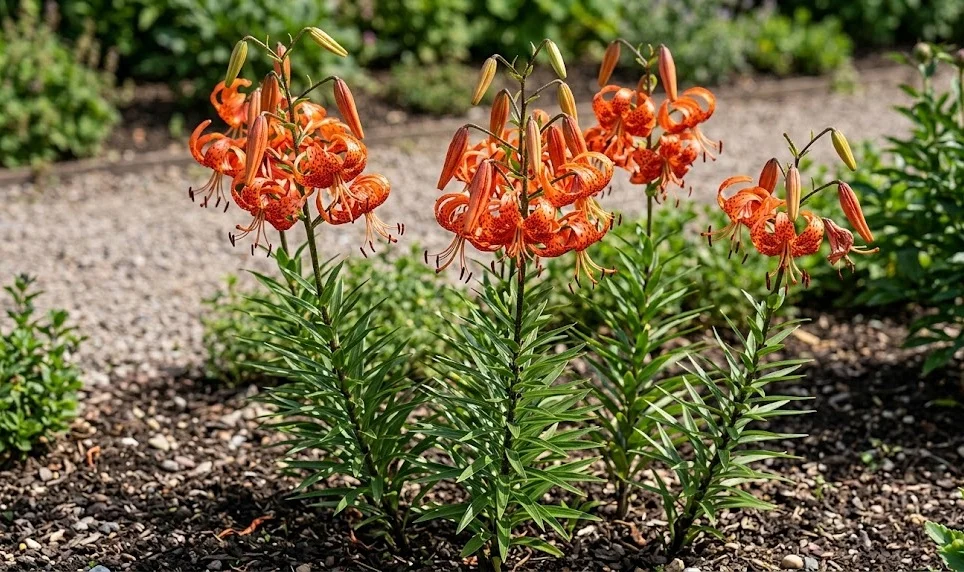
The Chinese lily is a species that naturally thrives in locations where it receives a significant amount of bright, filtered light throughout the day. You should aim to provide your plants with at least six to eight hours of direct sunlight, ideally during the morning and early afternoon when the intensity is less likely to cause heat stress. This light provides the energy needed for the plant to build sturdy cell walls and produce the complex pigments that give the flowers their characteristic orange hue. Without sufficient light, the stems may become leggy and weak as they stretch toward the nearest source of illumination.
However, you must also be aware that the intense, direct sun of a mid-summer afternoon can be too harsh for the delicate petals and foliage of these lilies. You will notice that plants grown in full, unshaded sun often show signs of fading or “bleaching” in the flowers, and the leaf tips may become dry and brown. Providing a bit of dappled shade during the hottest part of the day is a professional technique that helps maintain the vibrant color and turgidity of the entire plant. This “sun on the head, shade on the feet” strategy mimics the natural conditions found in their native high-altitude meadows.
The quality of the light is just as important as the quantity, with the blue and red parts of the spectrum being the most critical for healthy growth and flowering. You should avoid planting your lilies in areas with heavy, permanent shade from buildings or dense evergreen trees, as this will lead to poor performance and increased susceptibility to disease. If your garden is naturally shady, you might consider using reflective surfaces or thinning out overhead branches to increase the available light for your lilies. This proactive management of the light environment is a key part of a professional horticultural plan.
Observing how your lilies respond to their light environment over the course of a full growing season will provide you with valuable data for future planting decisions. You should look for signs of light stress, such as leaning stems or small, pale flowers, and be prepared to move your plants to a better location if necessary. A professional gardener is always learning and adjusting based on the living feedback provided by the plants themselves. By finding the “sweet spot” of light intensity and duration, you ensure that your lilies can reach their full genetic potential in your garden.
More articles on this topic
Managing heat and leaf scorch
Excessive light exposure is often accompanied by high temperatures, which can lead to a condition known as leaf scorch or physiological drought. You should be concerned when the rate of water loss from the leaves through transpiration exceeds the rate at which the roots can pull moisture from the soil. This imbalance causes the edges of the leaves to turn brown and brittle, and can ultimately weaken the plant’s ability to store energy for the following year. Maintaining consistent soil moisture and providing afternoon shade are the best professional ways to prevent this common environmental problem.
Using companion plants to provide “living mulch” is a clever and aesthetic way to regulate the light and temperature around the base of your lilies. You should choose low-growing perennials or annuals that can shade the soil without competing too aggressively for nutrients and water. This natural cooling effect helps keep the root zone at a stable temperature, even when the upper stems are exposed to the full power of the sun. This ecological approach to light management creates a more resilient and balanced garden environment for all your plants.
In areas with particularly high light intensity or frequent heatwaves, you might consider using temporary shade structures like lattice panels or specialized garden fabrics. You should place these interventions strategically to block the most intense rays of the afternoon sun while still allowing plenty of ambient light to reach the plants. This type of active management is common in professional nurseries and botanical gardens where the health of high-value specimens is a top priority. Being prepared to provide extra protection during extreme weather events is a hallmark of an expert gardener.
Finally, you should understand that the light requirements of your lilies may change slightly as they progress through different stages of their life cycle. For example, young seedlings and recently transplanted bulbs may need more protection from direct sun than established, mature clumps with deep root systems. Adjusting your care routine based on the age and vigor of your plants is a professional skill that ensures a higher success rate for your gardening efforts. By paying attention to these subtle changes, you can provide the specific support each plant needs to thrive.
More articles on this topic
Seasonal light variations and positioning
The angle and intensity of the sun change significantly throughout the growing season, which affects the amount of light your lilies receive each day. You should consider how the shadows of nearby trees and structures will shift from the early spring emergence to the peak of the mid-summer blooming period. A site that is perfectly sunny in May might be in deep shade by July as the tree canopy fills in, which can negatively impact the development of the flower buds. Professional garden planning involves accounting for these seasonal shifts to ensure consistent light levels for your lilies.
Positioning your lilies on a gentle south or east-facing slope is an excellent way to maximize their exposure to the beneficial morning sun while providing some natural protection from the harsh western rays. You will find that these orientations tend to warm up earlier in the spring, encouraging an earlier start to the growing season and a longer overall period for energy accumulation. This careful site selection is one of the most effective long-term strategies for growing high-quality lilies in a variety of climate zones. A professional eye for landscape topography is a valuable asset for any serious gardener.
If you are growing lilies in containers, you have the professional advantage of being able to move your plants to optimize their light exposure throughout the year. You can start them in a bright, warm spot in the spring and move them to a cooler, partially shaded location as the summer heat intensifies. This mobility allows you to provide the perfect light environment at every stage of the plant’s growth, leading to exceptional results that are often difficult to achieve in fixed garden beds. Managing container-grown lilies requires a high level of attention to detail and a proactive approach to environmental monitoring.
In conclusion, the light requirements of the Chinese lily are a critical factor that influences every aspect of its growth, from the strength of its stems to the beauty of its flowers. You will find that by understanding the balance between light and shade, you can create a garden environment where these lilies truly flourish. Whether you are managing a large agricultural plot or a small home garden, the principles of professional light management remain the same. Take pride in the healthy, vibrant plants you have cultivated through your expert understanding of the sun’s role in the garden.