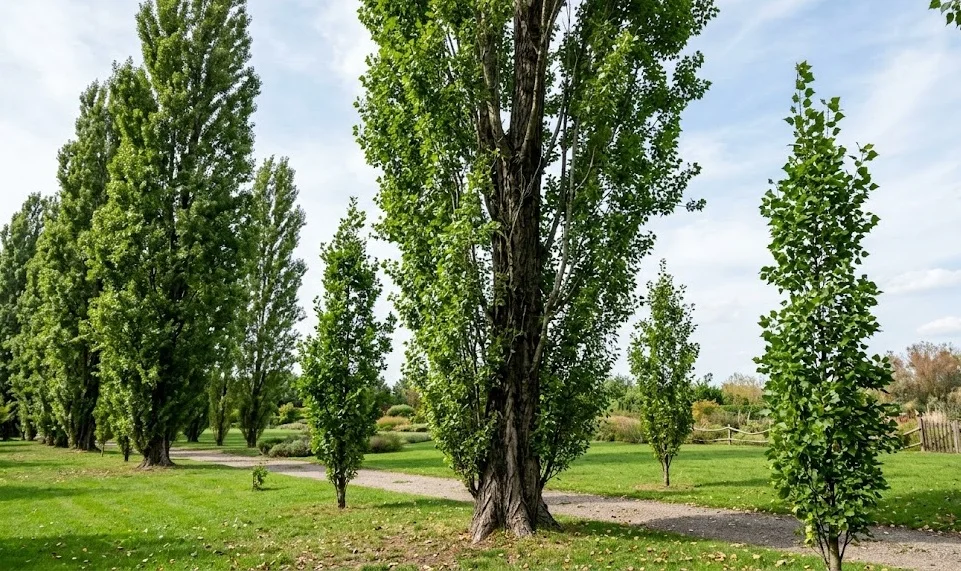

The lombardy poplar is a distinctive tree that adds a dramatic vertical element to any garden or landscape. Growing these trees successfully requires an understanding of their rapid development and specific environmental needs. Professional gardeners emphasize that while they are hardy, they demand consistent attention to thrive. Establishing a solid care routine from the beginning is the key to a long-lasting and healthy tree.
Consistent monitoring is essential because these trees are prone to certain health issues that can escalate quickly. By observing the foliage and bark regularly, you can catch potential problems before they become severe. It is helpful to keep a garden journal to track the growth and any changes in appearance. This proactive stance ensures the tree remains a vibrant part of the environment for years.
Air circulation around the tree is another critical factor that influences its overall health and vitality. Because of their dense, upright habit, these trees can sometimes suffer from restricted airflow within the canopy. Ensuring there is enough space between multiple plantings will help mitigate this risk effectively. Proper spacing also allows light to reach the lower branches more efficiently.
Environmental conditions such as wind and temperature also play a role in how the tree develops. These poplars are often used as windbreaks, but they can be susceptible to limb breakage in extreme storms. Choosing a sheltered yet sunny location will provide the best balance for steady growth. Observing how the tree reacts to local weather patterns helps in adjusting care techniques.
Ensuring ideal soil conditions
The success of a lombardy poplar begins with the quality of the soil in which it is planted. These trees generally prefer deep, fertile soils that provide plenty of room for their roots to expand. They are quite adaptable but perform best when the soil is rich in organic matter. Testing the soil pH can help you determine if any adjustments are necessary before planting.
More articles on this topic
Well-drained soil is vital to prevent root rot and other moisture-related complications. While they enjoy moisture, sitting in stagnant water can be detrimental to their long-term health. If your soil is heavy clay, consider incorporating sand or compost to improve its structure. This preparation creates an environment where the roots can breathe and absorb nutrients easily.
Moisture retention is equally important, especially during the hot summer months when the tree is growing rapidly. Mulching around the base of the tree can help maintain a consistent moisture level in the ground. Use organic mulch like wood chips or shredded bark to provide additional benefits as it decomposes. This layer also helps to regulate soil temperature during extreme weather shifts.
Nutrient availability should be monitored to support the tree’s vigorous growth rate every season. If the soil is depleted, the tree may show signs of yellowing leaves or slowed development. Regular soil tests every few years can guide you on which specific minerals might be lacking. Adding a balanced fertilizer during the growing season can often rectify these common deficiencies.
Managing the growth rate
One of the most remarkable features of the lombardy poplar is its incredibly fast growth rate. It is not uncommon for a young tree to grow several feet in a single year under ideal conditions. This speed makes them excellent for creating quick privacy screens or windbreaks in large spaces. However, such rapid growth requires a steady supply of energy and structural support.
More articles on this topic
Because they grow so quickly, the wood can sometimes be softer and more brittle than slower-growing species. This means that regular inspections for cracks or weak joints are necessary to maintain safety. Supporting the tree with stakes during its first few years can help it develop a straight trunk. This early intervention prevents leaning and ensures the tree stands tall against the wind.
The rapid height increase also means that the tree will quickly reach its mature size within a decade or two. Gardeners should plan their landscapes with this ultimate height in mind to avoid future conflicts. Power lines and nearby structures must be considered to prevent the need for drastic removals later. Understanding the lifespan and growth cycle allows for better long-term garden planning.
Vigorous growth also means the tree is constantly drawing a large amount of water and nutrients from the soil. You must be prepared to increase your maintenance efforts as the tree expands in size. Larger trees will have more extensive root systems that compete with nearby plants for resources. Managing this competition is part of maintaining a balanced and healthy garden ecosystem.
Seasonal maintenance tasks
Spring is the time when the lombardy poplar begins its most active phase of the year. As the buds start to swell, it is the perfect moment to apply a layer of fresh mulch. Inspect the branches for any winter damage or breakage that may have occurred during the cold months. Early spring is also a great time to check for any emerging pest populations.
During the summer, the primary focus shifts to hydration and protecting the tree from heat stress. Long periods of drought can weaken the tree and make it more susceptible to various pests. Watering deeply and consistently will help the tree maintain its lush, green foliage through the heat. Watch for signs of leaf scorch, which indicates that the tree is losing water faster than it can absorb it.
Autumn is a period of preparation as the tree begins to enter its dormant state. Raking up fallen leaves is important because they can harbor diseases or pests over the winter. This is also a good time to evaluate the tree’s overall structure before the leaves are completely gone. Ensure the area around the base is clean to prevent rodents from nesting near the trunk.
Winter care involves protecting the tree from heavy snow loads and extreme temperature fluctuations. While the tree is dormant, you can perform structural pruning to remove any dead or crossing branches. This is the safest time for the tree to undergo major maintenance without the risk of heavy bleeding. Regularly checking the stability of the tree during winter storms is a wise safety precaution.
Structural stability and safety
The tall and narrow shape of the lombardy poplar makes it particularly sensitive to strong winds. Because the branches grow almost parallel to the trunk, they can trap wind like a sail. This pressure can put a significant amount of stress on the main trunk and the root system. Planting these trees in groups or rows can often help them support each other against the wind.
Regularly thinning out the inner branches can help reduce wind resistance and improve the tree’s stability. Removing weak or narrow-angled crotches will prevent the tree from splitting during severe weather events. It is better to address these structural issues while the tree is still relatively young. Older trees may require professional intervention to ensure they remain safe near buildings or walkways.
The root system of a poplar is extensive and can sometimes become a concern for nearby structures. They have a tendency to seek out moisture, which can lead them toward pipes or foundations if not managed. Keeping the tree at a safe distance from your home is the best way to avoid these issues. Monitoring the ground around the tree for any lifting or cracking can signal potential root problems.
If a tree begins to show signs of significant lean or root instability, it may pose a safety risk. Large cracks in the trunk or major limb dieback are indicators that the tree’s health is failing. In such cases, consulting with a certified arborist is the most professional course of action to take. They can provide an expert assessment and recommend whether the tree needs cabling or removal.
Protecting against external stress
Pollution and urban environments can sometimes take a toll on the health of lombardy poplars. While they are often used in city landscapes, excessive smoke or chemicals can damage their delicate leaves. Ensuring they have access to clean water and healthy soil helps them resist these environmental stressors. Choosing the right planting site away from heavy traffic can also improve their overall longevity.
Physical damage to the bark should be avoided as it creates entry points for various pathogens. Lawn mowers and weed trimmers are common culprits that can cause significant harm to the base of the tree. Using a protective guard or keeping a clear mulch ring around the trunk prevents these accidents. Once the bark is damaged, the tree must use valuable energy to heal the wound.
Extreme weather events like hail or late frosts can also impact the development of the tree. While you cannot control the weather, providing extra care after a storm can help the tree recover. Pruning away broken twigs and ensuring the tree is well-hydrated will support the healing process. Poplars are resilient, but multiple stresses occurring at once can lead to a decline in health.
Soil compaction is another form of stress that can limit the root system’s ability to function. Heavy foot traffic or vehicle use near the tree compresses the soil and reduces oxygen levels. This can lead to slow growth and a generally sickly appearance over time. Keeping the area under the canopy clear of heavy activity will help the roots remain healthy and active.
Long-term landscape management
When planning a landscape with lombardy poplars, it is important to consider their relatively short lifespan. They typically live for twenty to thirty years, which is shorter than many other deciduous trees. This means you should have a plan for replacing them as they reach the end of their peak. Planting younger trees nearby every decade can ensure a continuous vertical element in your garden.
Integrating these trees with other species can create a more diverse and resilient landscape design. Poplars provide great height, but they look best when paired with lower shrubs and colorful perennials. This layered approach adds depth to the garden and provides habitat for various beneficial insects. It also helps to balance the visual weight of the tall, narrow poplars.
Maintaining a clean and organized garden space around the poplars contributes to their professional appearance. Regularly removing suckers that sprout from the base of the tree will keep the silhouette sharp. These suckers draw energy away from the main trunk and can make the base look cluttered. Keeping the vertical line clean is essential for the iconic look of this specific variety.
Ultimately, the care of a lombardy poplar is about balancing its rapid growth with consistent maintenance. By following these expert guidelines, you can enjoy the majestic beauty of these trees for many years. They offer a unique architectural form that few other plants can provide in such a short time. Your dedication to their health will be rewarded with a stunning and professional-looking landscape.