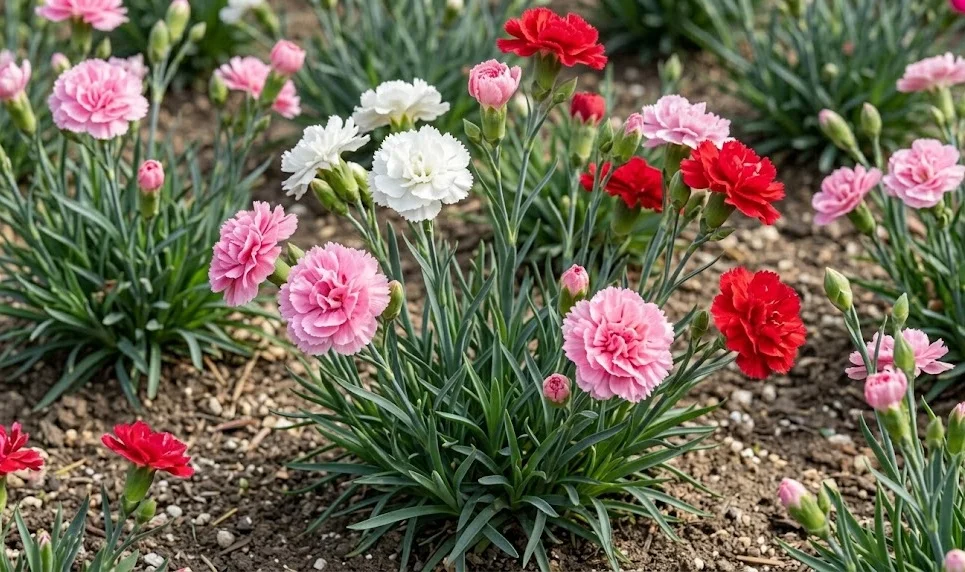

The quality and duration of sunlight are perhaps the most influential factors in the life of these sun-loving perennials. You must understand that while these plants are adaptable, they have very specific preferences that must be met for optimal flowering and health. Providing the right light environment is a professional skill that requires a deep understanding of your garden’s specific microclimates. This expert article explores how to manage light exposure to ensure your plants reach their full aesthetic and biological potential.
Sunlight provides the energy that the plant uses to transform water and nutrients into the complex sugars needed for growth. Without adequate light, the stems will become weak and elongated as the plant desperately reaches for any available energy source. You should aim to provide a location that receives at least six to eight hours of direct sunlight every day. This high level of exposure is necessary for the development of the strong, upright stems and large, fragrant blooms that these plants are famous for.
The intensity of the light is just as important as the number of hours the plant spends in the sun throughout the day. Morning sun is often preferred by professional gardeners because it provides energy without the intense heat of the mid-afternoon. In regions with extremely hot summers, a location that offers some light afternoon shade can help prevent the petals from fading or burning. Balancing these factors requires a professional touch and a keen eye for how light moves across your garden beds over time.
Monitoring your plants for signs of light-related stress is a key part of maintaining a professional garden display. If you notice the foliage turning a pale green or the plant failing to produce flowers, it may not be getting enough light to thrive. Conversely, leaves that look scorched or have brown, crispy edges may be getting too much intense midday sun. Adjusting the location or providing temporary shade can save a struggling plant and return it to a state of health and beauty.
Optimizing sunlight exposure
Selecting the perfect site for your garden beds is the first step in meeting the light requirements of your floral collection. You should spend some time observing your garden at different times of the day to see where the shadows fall and how they move. Avoid planting under the heavy canopy of large trees or near the north side of tall buildings where light is limited. A professional site evaluation will pay off in the form of healthier plants and a more impressive display of blooms.
More articles on this topic
Reflective surfaces can be used to increase the amount of light available to plants in slightly shaded areas of the garden. Light-colored walls or fences can bounce extra sunlight back onto the garden beds, giving the plants a valuable boost of energy. This professional trick is especially useful in smaller urban gardens where tall structures often block the direct path of the sun. You can also use light-colored mulches or gravel to help reflect light up toward the undersides of the leaves.
The seasonal changes in the angle of the sun mean that the light environment in your garden is constantly evolving throughout the year. A spot that is perfectly sunny in the height of summer might be in deep shade during the early spring or late autumn months. You should plan your garden layout with these seasonal shifts in mind to ensure your plants have the light they need during their peak growing times. Professional gardening involves thinking ahead and anticipating how the environment will change as the Earth moves around the sun.
Spacing your plants correctly is another important factor in ensuring that every leaf has access to the light it needs to function. When plants are crowded together, they shade each other out, leading to weak growth and a higher risk of disease. You should follow the recommended spacing guidelines for each specific variety to allow for maximum light penetration throughout the entire plant. Good spacing is a simple but effective way to improve the health and appearance of your professional garden beds.
Managing light in different climates
In northern regions where the days are shorter and the sun is less intense, you should maximize every bit of light available. Choose the sunniest possible location and consider using artificial grow lights if you are starting your plants indoors early in the season. These extra measures ensure that the plants have enough energy to complete their growth cycle before the first frost of autumn. Professional growers in cooler climates often use southern exposures and protected microclimates to give their plants a competitive edge.
More articles on this topic
In southern regions with intense heat and high UV levels, protecting your plants from the midday sun becomes a primary concern. You may find that your plants actually perform better if they receive some filtered light during the hottest parts of the day. Using shade cloth or strategically planting taller companion plants can provide the necessary relief from the scorching sun. A professional approach in hot climates is all about managing the balance between light energy and heat stress.
The altitude of your garden can also affect the quality of the light and how it interacts with the sensitive tissues of your plants. At higher elevations, the air is thinner and the UV radiation is much stronger, which can lead to faster evaporation and leaf scorch. You should be prepared to provide extra water and perhaps a bit more shade than you would at sea level to compensate for these factors. Understanding the specific challenges of your geographic location is a hallmark of an expert horticulturalist.
Coastal gardens face the unique challenge of managing bright light that is often reflected off the water and white sand. This double exposure can be very intense and may require you to select varieties that are specifically bred for high-light environments. Providing wind protection is also essential in coastal areas, as salt spray can damage the leaves and make them more vulnerable to light stress. Professional gardening near the ocean involves a specialized set of skills and a deep respect for the power of the natural elements.
Advanced lighting techniques and tools
Modern technology offers a variety of tools that can help you measure and manage the light levels in your garden with professional precision. Light meters can give you an exact reading of the intensity and duration of sunlight in any given spot, taking the guesswork out of planting. This data allows you to make informed decisions about which varieties to plant where for the best possible results. Using science and technology to supplement your intuition is a great way to elevate your gardening to a professional level.
Artificial lighting can be a game-changer for professional growers who want to extend the season or start plants in a controlled environment. High-quality LED grow lights provide the specific spectrum of light that plants need for photosynthesis without generating excessive heat. You can use these lights to supplement natural sunlight during the dark winter months or to give seedlings a strong head start. Understanding the science of light spectrums and how they affect plant growth is a fascinating part of advanced horticulture.
Pruning nearby trees and shrubs is a direct way to manage the amount of light that reaches your garden beds throughout the year. Thinning out the canopy of a large tree can allow more dappled light to reach the ground without removing the tree entirely. This professional technique requires a careful hand and an understanding of how to maintain the health and structure of the tree while benefiting your flowers. Creating a light-rich environment is an active process that involves managing the entire landscape, not just the individual plants.
Finalizing your light management strategy involves a commitment to observing and responding to your plants’ needs over many years. As your garden matures, the light levels will naturally change, and you must be ready to adapt your care routine accordingly. Moving a plant to a sunnier spot or providing shade to a struggling specimen are common tasks for a dedicated expert. True expertise in gardening comes from a lifelong relationship with the plants and the ever-changing light of the sun.