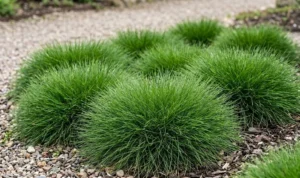
Managing this elegant shrub involves a deep understanding of its soil preferences and environmental stressors. You should monitor the moisture levels of the ground consistently to prevent root stress during the dry months. Professional gardeners often recommend a balanced approach to maintenance to ensure the plant remains vibrant throughout the seasons. Successful cultivation is ultimately the result of careful observation and timely intervention when growth patterns change.
Optimal soil composition for health
Achieving the perfect soil balance is the first step toward a thriving and healthy specimen in your garden. This species prefers a slightly acidic environment with a pH level ranging between five and six. You must ensure that the soil remains well-drained to prevent the development of root rot and other moisture-related issues. Adding organic matter like compost or aged bark will significantly improve the soil structure and nutrient availability for the roots.
Poor drainage is perhaps the most significant threat to the long-term vitality of this particular ornamental plant. If you notice water pooling around the base after a heavy rain, you should consider amending the area with grit or sand. Raised beds are often an excellent solution for gardens where the native soil is heavy clay or poorly aerated. Maintaining an open soil structure allows oxygen to reach the root system, which is vital for metabolic processes.
Nutrient availability is closely tied to the acidity of the soil in which the shrub is growing. When the pH levels become too alkaline, the plant may suffer from iron chlorosis, which turns the leaves a sickly yellow color. You can apply sulfur or peat moss to lower the pH if your soil test indicates high alkalinity. Monitoring these levels every two years will help you maintain the deep purple or green foliage that defines this species.
Microbial activity within the soil also plays a silent but crucial role in the overall development of the plant. Healthy soil life helps break down organic matter into forms that the roots can easily absorb throughout the growth cycle. You should avoid over-applying synthetic chemicals that might harm the beneficial fungi and bacteria living in the rhizosphere. Supporting a natural ecosystem within the root zone will lead to a much more resilient and self-sustaining shrub over time.
More articles on this topic
Seasonal maintenance and growth habits
Understanding the growth cycles of this shrub allows you to time your maintenance activities for maximum effectiveness and minimal stress. In early spring, the plant begins a vigorous growth phase characterized by the emergence of new foliage and delicate, fringe-like blooms. You should observe the development of these new shoots to determine if any corrective measures are needed for the plant’s shape. Regular check-ups during this period ensure that you catch any early signs of nutrient deficiencies or pest infestations.
During the height of summer, the primary goal shifts from encouraging growth to maintaining hydration and protecting against heat exhaustion. The plant may slow its metabolic rate during extreme heatwaves to conserve energy and internal moisture levels. You should provide extra care during these periods by ensuring the root zone remains cool and adequately damp. Avoid any heavy structural work during the hottest weeks, as this can place unnecessary strain on the plant’s vascular system.
The arrival of autumn signals a period of hardening off where the plant prepares itself for the upcoming winter dormancy. You will notice that the growth rate slows down significantly and the wood begins to mature and strengthen against the cold. This is the time to reduce nitrogen-heavy fertilization to prevent soft growth that could be easily damaged by frost. Focus instead on providing a stable environment that allows the shrub to store energy in its root system for the next year.
Winter care is largely about protection and ensuring the plant remains dormant until the spring warmth returns. While the shrub is relatively hardy, it still benefits from being shielded against the drying effects of cold winter winds. You should check the soil moisture occasionally during dry winters, as frozen ground can sometimes lead to desiccation. Patience is key during this dormant phase, as the plant is quietly preparing for its spectacular spring display.
More articles on this topic
Strategic mulching for root protection
Applying a thick layer of organic mulch is one of the most effective ways to stabilize the environment around the root system. Mulch acts as a thermal blanket that keeps the soil cool during the summer and provides insulation during the winter months. You should use materials like pine needles, wood chips, or shredded bark for the best results in your garden. This layer also serves to suppress weed growth, which reduces competition for vital nutrients and water in the soil.
The depth of the mulch layer should be maintained at around two to three inches for maximum benefit without causing harm. You must be careful not to pile the mulch directly against the main stem or trunk of the shrub. Keeping a small gap around the base prevents moisture from being trapped against the bark, which could lead to decay. As the mulch breaks down over time, it continuously adds valuable organic matter back into the underlying soil structure.
Mulching also plays a critical role in moisture conservation by reducing the rate of evaporation from the soil surface. This is particularly important during periods of drought when every drop of water is essential for the plant’s survival. You will find that mulched plants require significantly less supplemental irrigation than those left with bare soil around them. The consistent moisture levels provided by mulch help prevent the stress of rapid drying and soaking cycles.
Choosing the right type of mulch can also help you manage the soil pH over a long period of performance. Pine-based mulches are slightly acidic and are therefore highly beneficial for plants that thrive in low-pH environments. You should avoid using mulches that contain dyes or chemicals that could leach into the ground and affect plant health. Refreshing the mulch layer once a year will keep your garden looking tidy while providing ongoing structural benefits to the shrub.
Space management and airflow
Providing enough space for the shrub to reach its natural size is essential for both aesthetic and health-related reasons. You should research the specific cultivar you have chosen to understand its expected height and spread at maturity. Overcrowding can lead to poor airflow, which creates a humid environment where fungal diseases can easily take hold. Proper spacing allows each plant to receive adequate sunlight on all sides, ensuring even growth and consistent leaf color.
Air circulation is a vital component of a healthy garden ecosystem that is often overlooked by novice and professional growers alike. When wind can move freely through the branches, moisture on the leaves evaporates more quickly after a rain or heavy dew. This rapid drying significantly reduces the risk of leaf spot diseases and other common foliar pathogens. You should strategically position your plants to take advantage of natural breezes while still providing some protection from gale-force winds.
If a shrub becomes too dense, you can use thinning techniques to open up the interior of the plant to more light and air. Removing a few of the older, inner branches allows more resources to reach the outer foliage where photosynthesis is most active. This practice not only improves the health of the plant but also enhances the visibility of the unique, fringe-like flowers. You will notice that a well-ventilated shrub is much more resistant to the stressors of a humid summer climate.
Competition from neighboring plants for light and nutrients can also limit the development of your Chinese fringe flower. You should manage the growth of nearby perennials and groundcovers to ensure they do not encroach on the shrub’s root zone. Maintaining a clear area around the base of the plant makes it easier to perform routine maintenance and monitor for issues. A well-spaced garden allows each specimen to shine as a focal point without being overwhelmed by its surroundings.
Tool hygiene and maintenance safety
Using clean and sharp tools is a fundamental requirement for maintaining the health and appearance of any ornamental shrub. Dull blades can crush the stems instead of cutting them, which creates ragged wounds that are slow to heal. You should sharpen your shears and loppers regularly to ensure that every cut is clean and precise for the plant. Properly maintained tools also make the work much easier and more enjoyable for the gardener during long sessions.
Disinfecting your equipment between uses is a critical step in preventing the spread of diseases from one plant to another. You can use a solution of isopropyl alcohol or a mild bleach mixture to wipe down your blades after each task. This practice is especially important if you have been working on a plant that shows signs of illness or fungal infection. Taking a few extra minutes for hygiene can save you hours of trouble dealing with widespread garden pathogens later.
Safety should always be a priority when you are working with sharp tools or heavy equipment in the landscape. You should wear protective gloves to shield your hands from thorns, sharp twigs, and the metal edges of your shears. Sturdy footwear and eye protection are also recommended when you are performing major pruning or clearing work around the garden. Keeping your workspace organized and free of debris will help you avoid trips and falls while you are focused on the task.
Store your gardening tools in a dry and secure location to prevent rust and damage from exposure to the elements. You can apply a light coat of oil to the metal parts of your shears to keep them moving smoothly and prevent corrosion. Well-cared-for tools will last for many years and provide consistent performance for all your horticultural needs. Your investment in quality equipment and its proper upkeep will be reflected in the health and beauty of your landscape.
Long term health monitoring strategies
Regularly inspecting your shrubs allows you to identify potential problems before they become serious threats to the plant’s survival. You should look for changes in leaf color, unusual spots, or signs of insect activity on both the top and bottom of the foliage. Early detection of stress factors allows you to adjust your care routine or apply treatments when they are most effective. Developing a habit of walking through your garden daily will help you become more attuned to the subtle needs of your plants.
Environmental changes over several years can impact the performance of established shrubs in ways that are not immediately obvious. You might notice that a plant that once thrived is now struggling due to increased shade from growing trees or changes in local drainage. Being prepared to adapt your management strategy is essential for the long-term success of any permanent garden installation. Sometimes, moving a plant to a more suitable location is the best course of action for its continued health and vigor.
Documenting the growth and health of your plants in a garden journal can provide valuable insights over many growing seasons. You can record the dates of the first blooms, the application of fertilizers, and any unusual weather events that occurred. This information helps you identify patterns and predict when the plant might need extra attention in the future. Sharing these observations with other enthusiasts can also contribute to a better collective understanding of this beautiful species.
A healthy plant is the best defense against pests and diseases, so focus on providing optimal growing conditions throughout its life. Stress is often the primary trigger for many common garden problems, making consistent care the most effective form of prevention. You should always aim to work with nature rather than against it by choosing plants that are well-suited to your local climate. Your dedication to the ongoing care of your landscape will be rewarded with a stunning and resilient outdoor space.
Advanced aesthetic management techniques
Beyond basic survival, you can use specific techniques to enhance the visual impact of this shrub within your overall landscape design. The contrast between the dark foliage and the brightly colored flowers is one of the plant’s most striking features to exploit. You should consider planting it against a light-colored wall or alongside plants with bright green or silver leaves. This creates a dramatic visual effect that draws the eye and highlights the unique texture of the fringe-like blooms.
Training the shrub into specific forms can add a touch of formal elegance to an otherwise naturalistic garden setting. You can prune the plant into a multi-stemmed small tree or maintain it as a dense, low-growing hedge depending on your needs. The flexibility of the branches allows for creative shaping that can serve as a living screen or a decorative specimen. Regular, light pruning is necessary to maintain these shapes without compromising the plant’s health or bloom potential.
Combining different cultivars of the same species can create a layered and textured look that adds depth to your garden beds. Some varieties have more weeping habits, while others grow upright and compact, offering a range of structural possibilities for the designer. You can mix different foliage colors, such as deep burgundy and vibrant green, to create a sophisticated and modern color palette. Experimenting with these combinations allows you to express your personal style while showcasing the diversity of the species.
Lighting your garden at night can reveal a whole new dimension of beauty in your Chinese fringe flower specimens. Strategic uplighting can emphasize the interesting structure of the branches and the delicate texture of the foliage after the sun sets. You should use warm, soft lights that enhance the natural colors of the plant rather than washing them out with harsh white light. This thoughtful approach to garden design ensures that your landscape remains a source of joy and inspiration at any hour of the day.