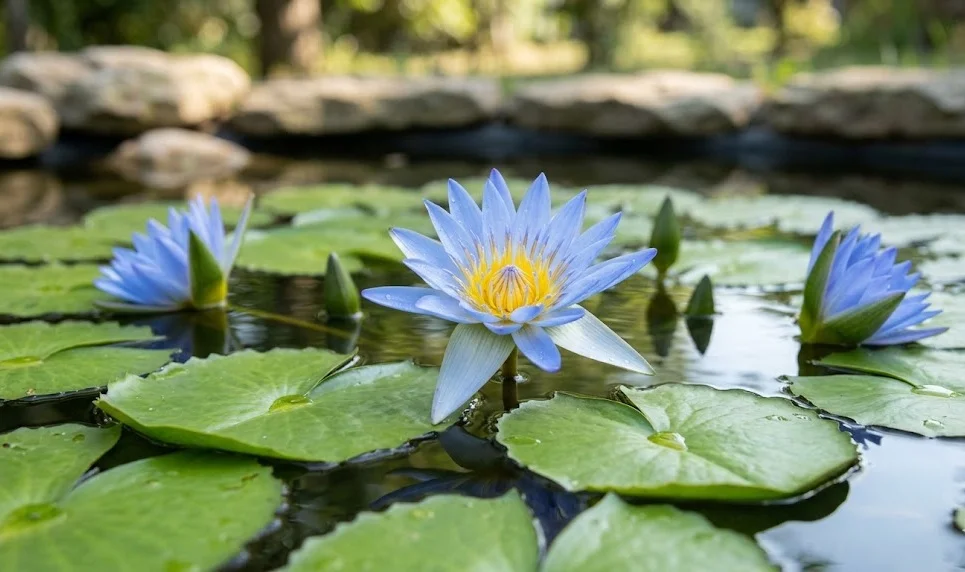

The blue water lily is an exquisite aquatic plant that demands specific attention to thrive in a domestic pond environment. It is widely recognized for its vibrant petals and its ability to transform a simple water feature into a professional botanical display. Understanding the physiological needs of this species is essential for any gardener looking to maintain its health over several seasons. Successful cultivation requires a balance of environmental factors, consistent observation, and a deep appreciation for aquatic biology.
Understanding the aquatic environment
The foundation of proper care starts with the physical space provided for the plant to grow. This species thrives best in still or very slow-moving water where its delicate root system remains undisturbed by strong currents. Maintaining a stable water temperature is crucial because sudden fluctuations can cause the plant to enter a premature dormant state. Large ponds often provide more thermal stability, but even smaller containers can work if they are managed with precision and care.
The depth of the water plays a significant role in the overall development of the foliage and flowers. Ideally, the plant should be situated so that there is at least thirty to sixty centimeters of water above the crown. If the water is too shallow, the leaves may become overcrowded and compete for surface space, leading to poor air circulation. Conversely, placing the lily too deep in a large pond can prevent young leaves from reaching the surface before they run out of energy.
Water clarity is another vital aspect of maintenance that often goes overlooked by beginners. Clear water allows sunlight to penetrate deeper, which is necessary for the initial growth stages of the submerged stems. If the water becomes too turbid or filled with suspended solids, the plant may struggle to photosynthesize effectively during its early spring growth. Regular monitoring of the pond’s ecological balance helps ensure that the water remains a hospitable medium for the lily’s roots.
Surface area management is the final component of the primary environment that needs constant attention. A single blue water lily can spread significantly, often covering a meter or more of the water’s surface with its lily pads. It is important to ensure that these leaves do not cover more than sixty percent of the total pond surface. Overcrowding can lead to a lack of oxygen in the water, which negatively impacts both the plant and any aquatic life sharing the space.
More articles on this topic
Seasonal maintenance routines
As spring arrives and the water temperature begins to rise, the care cycle focuses on stimulating new growth. This is the period when the plant requires the most attention to ensure it wakes up from its winter slumber. Checking the rhizome for any signs of rot or damage sustained during the cold months is a necessary first step. Once the first few leaves appear on the surface, the gardener should begin a regular schedule of monitoring growth rates.
Summer brings the peak blooming period, which is the most rewarding time for any aquatic enthusiast. During these months, the main task is to remove spent flowers and yellowing leaves to keep the plant looking its best. This process, known as deadheading, prevents the plant from wasting energy on seed production and encourages more blooms. Consistent cleaning of the water surface also helps prevent the buildup of organic debris that could rot and affect water quality.
When autumn approaches, the plant’s metabolism slows down significantly as it prepares for the upcoming colder temperatures. The leaves will naturally begin to turn brown and die back, which is a signal to reduce any supplemental care. It is important to remove this dying foliage before it sinks to the bottom of the pond and decomposes. Failure to clear away this organic matter can lead to a spike in ammonia levels, which is harmful to the plant’s long-term health.
Winter care is largely about protection rather than active growth management. In temperate climates, the primary goal is to ensure that the rhizome does not freeze solid. This may involve moving the container to a deeper part of the pond or bringing it indoors to a frost-free area. By following these seasonal transitions, a gardener can ensure the blue water lily remains a perennial highlight of the garden for many years.
More articles on this topic
Managing water chemistry
The chemical composition of the water is just as important as the physical environment for the health of the lily. This plant prefers a slightly acidic to neutral pH level, typically ranging between six and seven and a half. Significant deviations from this range can interfere with the plant’s ability to absorb essential nutrients from the water. Testing the pond water periodically with a digital meter or a liquid test kit provides the data needed for adjustments.
Mineral content, specifically the hardness of the water, can also influence the vigor of the blue water lily. While they are relatively adaptable, extremely hard water can lead to calcium deposits on the leaves which hinder their function. If the local water supply is particularly high in minerals, it might be beneficial to use collected rainwater for top-offs. This natural approach helps maintain a more balanced environment that mimics the plant’s native habitats in the wild.
Oxygenation is a critical factor for the health of the submerged portions of the plant and the root system. Although the leaves are on the surface, the roots require an oxygen-rich environment within the substrate to prevent anaerobic rot. Small pond pumps or air stones can be used to keep the water moving just enough to facilitate gas exchange. This ensures that the water remains fresh and supports the beneficial bacteria that break down waste products.
Chlorine and chloramines found in municipal tap water can be detrimental to the sensitive tissues of the blue water lily. When adding water to the pond, it is professional practice to use a dechlorinator or let the water sit for twenty-four hours. This precaution prevents chemical burns on the young, emerging leaves and protects the delicate microbial balance in the soil. Taking these extra steps in water chemistry management distinguishes a master gardener from a casual hobbyist.
Optimized substrate and potting
Selecting the right substrate is a technical decision that directly impacts the stability and nutrition of the plant. A heavy, clay-based garden soil is often preferred over standard potting mixes because it stays in place underwater. Light, peat-based soils tend to float or wash away, creating a messy environment and starving the roots. Professional aquatic growers often mix a bit of bone meal into the lower layers of the soil to provide a slow-release source of phosphorus.
The choice of container is equally important for long-term care and ease of maintenance. Wide, shallow pots are better than deep, narrow ones because they allow the rhizome to spread horizontally as it grows. Using a container with no drainage holes, or lining a mesh basket with burlap, prevents the heavy soil from leaching into the pond. This keeps the water clear and ensures that the nutrients stay exactly where the plant can reach them.
Topping the soil with a layer of washed pea gravel or small stones is a practical step with multiple benefits. This layer prevents fish from digging in the soil and keeps the substrate from being stirred up by water movement. It also provides a neat, finished look to the submerged pot, making the pond appear more professional. The weight of the stones helps keep the pot anchored firmly at the bottom of the pond during heavy rain or wind.
Repotting is a task that should be performed every two to three years to prevent the plant from becoming root-bound. As the rhizome grows, it will eventually exhaust the space and nutrients available in a small container. Signs that repotting is necessary include a decrease in flower size or leaves that seem smaller than usual. Carefully lifting the plant and refreshing the soil ensures that the blue water lily continues to exhibit its full genetic potential.
Managing growth and space
Space management is a critical aspect of care that ensures the lily does not overwhelm its aquatic neighbors. The blue water lily is a vigorous grower and can quickly dominate a small pond if left unchecked. Periodically trimming back excess lily pads from the outer edges of the plant helps maintain a balanced aesthetic. This practice also ensures that other submerged oxygenating plants receive enough light to function properly and keep the ecosystem healthy.
Observation of the plant’s growth pattern can reveal a lot about its overall health and environmental satisfaction. Healthy specimens will produce a steady stream of new leaves from the center of the crown throughout the growing season. If the growth seems lopsided or stunted, it may indicate that the pot is positioned unevenly on the pond floor. Adjusting the placement to ensure the crown is level will help the plant distribute its resources more effectively.
Competition for nutrients can become an issue if multiple plants are placed too closely together in the same pond. While a lush, planted look is desirable, each water lily should have its own dedicated space to expand. Providing a clear radius around the pot allows for better water circulation and easier access for maintenance. This also makes it much simpler to spot any potential problems, such as pests or diseases, before they spread.
The physical structure of the lily pads is a good indicator of whether the plant has enough room to breathe. When leaves begin to push each other out of the water or overlap significantly, it is time to thin them out. Removing the oldest leaves, which are typically found on the outer edges, is the best way to manage this. This directed pruning keeps the plant looking tidy and ensures that every leaf on the surface is performing at its peak.
Environmental stressors and solutions
External factors such as wind and heavy rain can cause physical stress to the delicate flowers of the blue water lily. Ideally, the pond should be located in a spot that is somewhat sheltered from strong, prevailing winds. Wind can not only damage the petals but also cause the large leaves to flip over, disrupting their ability to photosynthesize. Using natural windbreaks like nearby shrubs or ornamental grasses can provide the necessary protection without blocking the sun.
Extreme heat during the peak of summer can also pose a challenge for keeping the water lily in top condition. When water temperatures rise too high, the oxygen-carrying capacity of the water decreases significantly. This can lead to heat stress, characterized by the edges of the lily pads turning brown or “burning.” To mitigate this, deeper water or the addition of fresh, cooler water during heatwaves can help stabilize the pond’s internal temperature.
Sudden changes in water levels due to evaporation or heavy rainfall can also impact the plant’s stability. In periods of drought, it is essential to top off the pond to maintain the required depth above the crown. Conversely, if a heavy storm floods the pond, ensure that the water lilies are not submerged too deeply for an extended period. Maintaining a consistent water level is a hallmark of a well-maintained aquatic garden and a happy blue water lily.
Pollution from lawn fertilizers or garden chemicals can be devastating to the sensitive ecosystem of an aquatic pond. It is important to ensure that there is no runoff from the surrounding landscape that could enter the water. These chemicals can cause rapid algae blooms that choke out the lily or directly poison the plant’s delicate tissues. Creating a small buffer zone of stones or non-treated soil around the pond edge is an effective preventative measure.
Long term health and vigor
Maintaining the long-term health of the blue water lily requires a commitment to consistent, high-quality care over several years. This plant is not a “set it and forget it” addition to the garden, but rather a living organism that responds to its environment. Regular inspections for signs of vigor, such as strong stem development and vibrant flower color, are part of a professional care routine. By staying proactive, a gardener can prevent most issues before they become serious threats to the plant.
Genetic vitality can be maintained by occasionally allowing the plant to undergo a natural dormancy period. Forcing a plant to grow year-round without rest can eventually lead to exhaustion and a decline in flowering. Respecting the natural life cycle of the species ensures that the rhizome remains strong and capable of producing spectacular displays. A well-rested plant will always return with more energy and beauty in the following growing season.
Record-keeping is an expert technique that helps in understanding the specific needs of a particular plant in its unique microclimate. Noting the dates of the first bloom, the frequency of fertilization, and the timing of repotting can provide invaluable insights. This data allows the gardener to refine their care techniques year after year, tailoring them to the specific reactions of the lily. Over time, this leads to a mastery of the species that is evident in the garden’s success.
Ultimately, the care of the blue water lily is a rewarding journey that connects the gardener to the rhythms of nature. The sight of a perfectly formed blue bloom resting on the water is a testament to the skill and dedication applied. With the right knowledge and a professional approach, anyone can enjoy the majestic beauty of this ancient and symbolic plant. It remains one of the most prestigious choices for any serious aquatic garden or agricultural project.