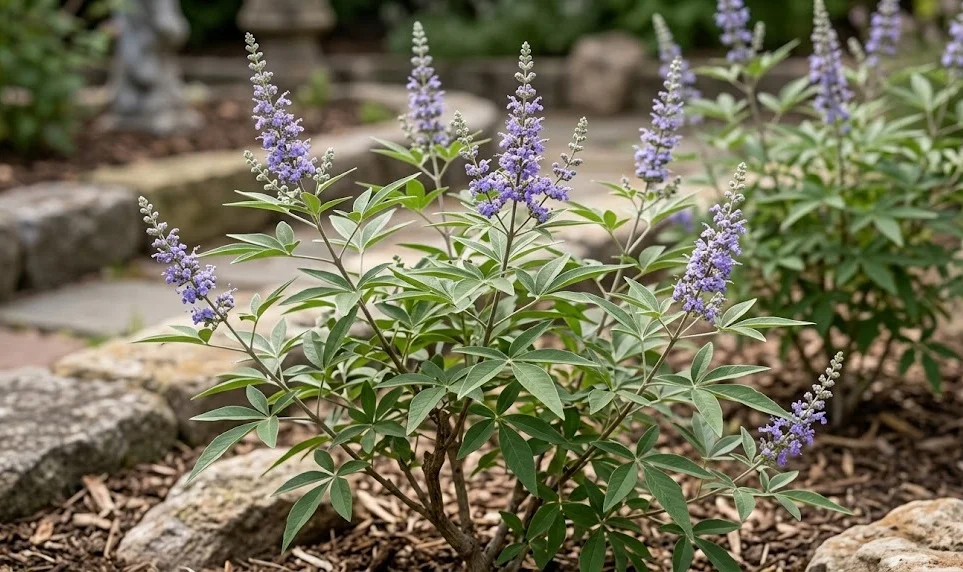

Protecting the Chinese chastetree from biological threats is an essential part of maintaining its professional appearance and long-term health. While this species is notably resistant to many common garden problems, it is not entirely immune to the pressures of insects and pathogens. You must adopt a vigilant and proactive stance to identify any emerging issues before they can compromise the structural integrity or beauty of the shrub. A deep understanding of the most likely culprits allows you to implement targeted and effective management strategies that minimize the need for harsh interventions.
The first step in any pest or disease management plan is regular and thorough inspection of the plant’s foliage, stems, and root base. You should make a habit of looking under the leaves and along the inner branches where many insects prefer to hide and feed. Early detection is your most powerful tool, as most problems are far easier to control when they are confined to a small area. By knowing what a healthy Chinese chastetree looks like, you will be much quicker to notice when something is slightly off.
Environmental stress is often the precursor to disease outbreaks, as weakened plants are less able to defend themselves against invaders. You should ensure that your shrub is receiving adequate water, proper nutrients, and sufficient sunlight to keep its natural immune system strong. A plant that is thriving in its ideal environment is much less likely to fall victim to opportunistic fungi or marauding insects. Prevention through high-quality cultural practices is always more effective and sustainable than trying to cure a sick plant.
When a problem does arise, it is important to identify the specific cause rather than applying a broad-spectrum treatment that might do more harm than good. You should research the common pests and diseases in your specific region to build a localized knowledge base for your garden. This professional approach ensures that your actions are precise, effective, and respectful of the wider garden ecosystem. Taking the time to understand the challenges allows you to manage them with confidence and expert-level skill.
Common insect pests and their identification
Several types of insects may occasionally find the Chinese chastetree to be a suitable host for feeding or reproduction. Aphids are among the most frequent visitors, appearing as tiny, soft-bodied insects clustered on the tender new growth at the tips of branches. They suck the sap from the plant, which can cause the leaves to curl or become distorted if the population is large enough. You will often notice a sticky substance called honeydew on the leaves, which is a tell-tale sign of an aphid infestation.
More articles on this topic
Scale insects are another potential issue, often appearing as small, stationary bumps on the stems or the undersides of the leaves. These pests are well-camouflaged and can be easily overlooked until they have established a significant colony that begins to drain the plant’s energy. They also produce honeydew and can lead to the growth of black sooty mold, which is more of a cosmetic issue but indicates a pest problem. Identifying scale early is crucial because they become much harder to treat once they develop their protective outer shells.
Spider mites can become a problem during hot, dry weather, leading to a stippled or bronzed appearance on the foliage. These tiny arachnids are difficult to see with the naked eye, but you can often find their fine webbing on the undersides of the leaves. They thrive in dusty conditions, so keeping the plant well-hydrated and occasionally rinsing the foliage can help keep their numbers in check. If left untreated, a severe spider mite infestation can lead to premature leaf drop and a significant decline in the shrub’s vigor.
Occasional leaf-eating caterpillars or beetles may also make an appearance, but their damage is usually localized and rarely threatens the life of the plant. You should monitor for holes in the leaves or ragged edges that indicate something is chewing on the tissues. In most cases, these larger pests can be managed by hand-picking or by encouraging natural predators like birds and predatory insects to do the work for you. Understanding the life cycles of these common pests allows you to intervene at the most effective time.
Fungal and bacterial infections
Fungal diseases are most likely to occur during periods of high humidity and poor air circulation within the plant’s canopy. Powdery mildew is a common culprit, appearing as a white, flour-like coating on the surface of the leaves and young stems. While it rarely kills the Chinese chastetree, it can reduce its photosynthetic capacity and detract from its visual appeal. You can minimize the risk of mildew by ensuring the plant is properly spaced and pruned to allow for maximum airflow and light penetration.
More articles on this topic
Leaf spot diseases, caused by various fungi or bacteria, can manifest as brown or black spots with distinct borders on the foliage. These spots may eventually merge, causing large sections of the leaf to die and drop off the plant prematurely. Moisture sitting on the leaves for extended periods is the primary driver for these infections, so you should avoid overhead watering whenever possible. Removing and destroying any infected leaf litter from around the base of the shrub is a professional way to reduce the source of future spores.
Root rot can be a devastating issue if the Chinese chastetree is planted in soil that stays saturated for long periods. This fungal infection attacks the root system, preventing the plant from taking up water and nutrients and often leading to a rapid decline. You might notice wilting that doesn’t improve with watering, along with a foul odor coming from the soil around the base of the plant. Ensuring excellent drainage from the very beginning is the most effective defense against this difficult-to-treat problem.
Cankers are localized areas of dead bark on the stems or trunks that can be caused by both fungal and bacterial pathogens. These lesions can eventually girdle a branch, cutting off the flow of sap and causing everything beyond the canker to die back. You should inspect the woody parts of your shrub for any unusual sunken or discolored areas that might indicate a canker is forming. Pruning out infected branches well below the site of the canker can often save the rest of the plant from further infection.
Preventative measures and organic control
Building a resilient garden environment is the most effective way to prevent pest and disease outbreaks from ever taking hold. You should start by selecting healthy, disease-free plants from reputable nurseries to ensure you are not introducing problems into your landscape. Maintaining a clean garden by removing fallen leaves and debris reduces the overwintering sites for many common pathogens and insects. This simple act of hygiene is a hallmark of a professional maintenance routine that pays off in the long run.
Encouraging a diverse population of beneficial insects is a powerful organic strategy for keeping pest populations under control. Ladybugs, lacewings, and predatory wasps are all natural allies that will hunt down aphids and other small pests for you. By avoiding broad-spectrum insecticides, you allow these “good bugs” to thrive and maintain a natural balance in your garden ecosystem. Providing a variety of flowering plants that bloom at different times will keep these beneficial visitors around throughout the entire season.
If an intervention is necessary, you should start with the least toxic options, such as insecticidal soaps or horticultural oils. These products work by physically coating and suffocating small pests like aphids, scale, and mites without leaving harmful residues. You should apply these treatments in the early morning or late evening to avoid burning the foliage in the direct sun. Always test a small area of the plant first to ensure there is no adverse reaction to the product you are using.
Botanical sprays, such as those derived from neem oil, can also be effective against a range of both insects and fungal issues. Neem oil acts as both a repellent and a growth regulator for pests, while also providing some protection against powdery mildew. You must follow the application instructions carefully and be consistent with follow-up treatments to achieve the best results. Professional-grade organic care requires a bit more patience and observation, but it leads to a healthier and more sustainable garden for everyone.
Environmental stressors mimicking disease
Sometimes, a Chinese chastetree may look sick when it is actually suffering from environmental conditions rather than a biological pathogen. Heat stress can cause the leaves to wilt or develop scorched edges, which can be mistaken for a bacterial infection or root rot. You should check the moisture levels in the soil and consider the recent weather patterns before jumping to a diagnosis of disease. Providing temporary shade or increasing the mulch layer can often resolve these issues without any chemical intervention.
Nutrient imbalances can also cause discoloration that looks remarkably like certain viral or fungal infections. As mentioned in the fertilization section, iron chlorosis creates a distinct yellowing pattern that is purely a result of soil chemistry. You should use a soil test to confirm nutrient levels before treating the plant for a suspected disease that isn’t actually there. Misdiagnosing an environmental problem as a disease can lead to wasted effort and potentially harmful treatments that don’t address the root cause.
Pollution and salt damage are common issues in urban environments or near coastal areas that can impact the health of your shrub. Airborne chemicals or road salt can cause leaf browning and a general decline in vigor that might be confused with a chronic illness. You can help mitigate these effects by occasionally washing the foliage with fresh water and ensuring the soil remains well-flushed. Understanding the specific challenges of your location is a key part of professional site-specific plant care.
Mechanical damage from lawnmowers, string trimmers, or heavy storms can create wounds that look like cankers or disease sites. These openings can indeed become entry points for pathogens, but the initial cause is physical rather than biological. You should protect the base of your Chinese chastetree with a ring of mulch to keep equipment at a safe distance and prevent accidental trunk injury. Proper structural pruning also helps the plant withstand wind and snow, reducing the risk of broken branches that could invite trouble.
Integrated pest management strategies
The most sophisticated approach to plant health is Integrated Pest Management (IPM), which combines multiple strategies for the best results. This system involves regular monitoring, setting thresholds for when to intervene, and choosing the most appropriate tools for the situation. You don’t necessarily need to eliminate every single bug; rather, the goal is to keep their populations below the level where they cause significant harm. This balanced perspective is the standard for professional horticulturists and large-scale agricultural operations.
Education is a central component of IPM, as you must be able to distinguish between harmful pests and harmless or beneficial visitors. You should keep a garden journal to record when certain issues appear and how the plant responds to different treatments. Over time, you will develop a predictive sense of what to expect and can take preemptive action to head off problems. This data-driven approach removes the guesswork and makes your gardening efforts far more efficient and successful.
Cultural controls, such as proper spacing and water management, are always the first line of defense in an IPM program. You should be willing to make changes to the environment, such as moving a plant that is consistently struggling, to break the cycle of disease. Sometimes, the best “medicine” is simply improving the sunlight or drainage at the site to give the plant the upper hand. Flexibility and a willingness to learn from your observations are essential for anyone wanting to master the care of the Chinese chastetree.
As a final resort in an IPM plan, targeted chemical controls may be used if biological and cultural methods fail to protect the plant. You should choose products that are as specific as possible to the pest or disease you are targeting to minimize impact on non-target species. Following all safety guidelines and application rates is non-negotiable for a professional gardener who respects their environment. By using all the tools at your disposal in a logical and organized way, you ensure that your Chinese chastetree remains a healthy and vibrant part of your landscape.