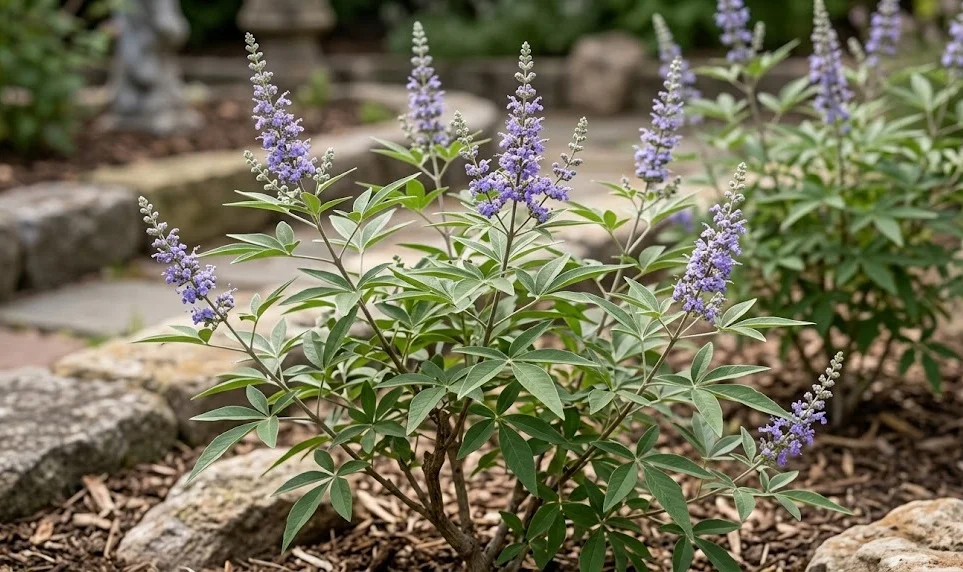

The successful establishment of a Chinese chastetree begins with a well-planned planting strategy that takes into account the specific needs of the species. Proper preparation of the site ensures that the young plant has the best possible start and can develop a robust root system quickly. You must consider factors such as soil quality, drainage, and available space to prevent future problems as the shrub reaches its full size. By following a professional approach to the initial planting phase, you lay the groundwork for a healthy and visually impressive specimen.
Selecting the right time of year for planting is a critical decision that can influence the survival rate of the Chinese chastetree. Late spring or early autumn are generally the most favorable windows, as the moderate temperatures reduce transplant stress on the young shrub. You should avoid planting during the extreme heat of mid-summer or when the ground is frozen during the winter months. Timing your efforts with the plant’s natural growth cycles allows it to focus its energy on root development before facing harsh weather.
Before the plant arrives, you should prepare the planting hole by making it significantly wider than the current root ball but no deeper. This encourages the roots to spread outward into the surrounding soil rather than circling within a confined space. You might also take this opportunity to amend the soil with high-quality compost to provide an immediate source of nutrients. A well-prepared hole acts as a welcoming environment that facilitates a smooth transition from the container to the permanent garden site.
Once the shrub is in the ground, proper backfilling and the removal of air pockets are essential steps to ensure good root-to-soil contact. You should water the area thoroughly immediately after planting to help settle the soil and provide much-needed hydration. Adding a layer of organic mulch around the base of the plant will help retain moisture and keep the soil temperature stable. This final touch in the planting process provides the young Chinese chastetree with a protective buffer against environmental fluctuations.
Site selection and environmental preparation
Choosing the perfect location for your Chinese chastetree requires a thoughtful assessment of the microclimates within your garden. You should look for a spot that receives plenty of sunlight, as this is the primary driver for healthy growth and abundant flowering. A site with a south or west-facing exposure is often ideal for providing the warmth the shrub craves throughout the growing season. Assessing the sun’s path across your property will help you identify the most productive zones for this sun-loving species.
More articles on this topic
Drainage is perhaps the most critical environmental factor to consider when selecting a site for this particular shrub. You must ensure that the area does not accumulate standing water, especially during the rainy season or after heavy snowmelt. If your garden has low-lying areas that remain soggy, it is best to avoid these or install drainage solutions before planting. Testing the drainage by digging a small hole and filling it with water can give you a clear indication of how quickly the site clears.
Space management is another professional consideration that prevents the need for drastic pruning or relocation in the future. The Chinese chastetree can grow quite large, so you should place it where it has room to expand without crowding buildings or other prized plants. You must also account for its height, ensuring it does not interfere with overhead power lines or block important views from your home. Giving the plant enough elbow room allows its natural, elegant form to be fully appreciated as it matures.
Environmental preparation also involves considering the impact of existing vegetation on the new planting site. You should clear any aggressive weeds or competing grass from the immediate area to reduce competition for water and nutrients. If the site has been used for other plants recently, you might consider refreshing the soil with organic matter to restore its fertility. A clean, well-prepped site allows the Chinese chastetree to become the star of the show without having to fight for basic resources.
Propagation through seed collection and sowing
Growing the Chinese chastetree from seed is a rewarding process that allows you to produce multiple plants for a larger landscape project. You should collect the small, dark seeds in the late autumn after the flowering spikes have completely dried and the seeds are mature. It is important to harvest them before they fall to the ground or are consumed by local birds. Storing the seeds in a cool, dry place until you are ready to sow them will maintain their viability and readiness for germination.
More articles on this topic
To improve germination rates, many professionals recommend a period of cold stratification to mimic the natural winter cycle. You can achieve this by placing the seeds in a damp medium and keeping them in a refrigerator for several weeks before sowing. This process breaks the seed’s dormancy and signals that it is time to grow when they are finally moved to a warmer environment. Without this step, germination can be erratic and take much longer than expected for the gardener.
Sowing the seeds in a high-quality seed-starting mix provides the delicate seedlings with the right balance of moisture and aeration. You should keep the containers in a bright, warm location, but away from direct, scorching sunlight that might dry out the soil too quickly. Maintaining consistent moisture is key during this early phase, as the tiny plants have very little reserve to handle drought. Once the seedlings have developed a few sets of true leaves, they can be carefully moved to individual pots for further growth.
Patience is a virtue when propagating from seed, as it takes time for the young plants to reach a size suitable for garden planting. You should continue to provide them with optimal care, including regular watering and light fertilization, as they develop their root systems. Hardening off the young shrubs by gradually exposing them to outdoor conditions is a vital step before they are moved to their permanent home. This gradual transition ensures that the plants are tough enough to handle the realities of the garden environment.
Vegetative propagation techniques
If you wish to create an exact genetic copy of a particularly beautiful specimen, vegetative propagation via cuttings is the preferred method. You can take softwood cuttings in the early summer when the plant is actively growing and the stems are still flexible. These cuttings should be about four to six inches long and taken from healthy, disease-free parent material. Using a sharp, sterilized knife or shears will ensure a clean cut that minimizes damage to both the cutting and the host plant.
Removing the lower leaves and dipping the cut end into a rooting hormone can significantly increase the chances of successful root development. You should then place the cuttings in a well-draining medium, such as a mix of peat and perlite, to provide the necessary support. Keeping the environment humid by covering the containers with a clear plastic dome helps prevent the cuttings from losing too much moisture. Regularly checking for root growth by gently tugging on the stems will let you know when the propagation has been successful.
Semi-hardwood cuttings taken in the late summer or early autumn are another viable option for expanding your collection of Chinese chastetrees. These cuttings are slightly more mature and robust than softwood versions, making them a bit more resilient during the rooting process. The care requirements are similar, though they may take slightly longer to establish a functional root system. Both methods offer a cost-effective way to fill your garden with high-quality plants that you have grown yourself.
Layering is a less common but very effective technique where a low-growing branch is encouraged to root while still attached to the parent plant. You can achieve this by wounding a small section of a stem and pinning it to the soil, covering the area with a bit of mulch. Once roots have formed at the site, the new plant can be severed from the parent and moved to its own location. This “set it and forget it” method is highly successful and requires very little specialized equipment for the home gardener.