
Cultivating a healthy and vibrant Chinese chastetree begins with understanding its natural growth patterns and environmental preferences. This resilient shrub is known for its ability to thrive in various conditions, but it truly excels when provided with consistent and thoughtful attention. Gardeners often appreciate its aromatic foliage and delicate flowers, which can become a focal point in any landscape design. By establishing a strong foundation during the early stages of growth, you ensure that the plant remains a long-lasting and beautiful addition to your garden.
Success with this species depends heavily on the initial site selection and the ongoing monitoring of its development throughout the changing seasons. The shrub typically displays a multi-stemmed habit that requires regular assessment to maintain its aesthetic appeal and structural integrity. You should pay close attention to the way the branches interact with surrounding plants to prevent overcrowding and promote adequate airflow. This proactive approach helps in identifying any potential issues before they become significant problems for the plant’s health.
Developing a routine for seasonal checks will allow you to notice subtle changes in the foliage color or the density of the flowering spikes. These visual cues are essential for adjusting your care strategy to meet the specific needs of the plant as it matures over several years. While the shrub is generally hardy, it responds remarkably well to localized improvements in soil quality and protection from extreme weather events. Consistent care not only enhances the visual beauty of the plant but also strengthens its natural defenses against environmental stressors.
As the plant reaches maturity, its role in the garden ecosystem becomes more pronounced, providing shelter and food for various beneficial insects. Managing this growth requires a balance between allowing the plant to express its natural form and intervening when necessary to keep it within bounds. You will find that the time invested in understanding the unique characteristics of the shrub pays off in the form of a spectacular floral display. A professional approach to maintenance ensures that the Chinese chastetree continues to thrive and impress for many seasons to come.
Soil and site requirements
The foundation of a flourishing Chinese chastetree is the quality and composition of the soil in which it is planted. This species prefers well-draining soil that prevents water from stagnating around the root system, which is crucial for preventing root rot. You should aim for a soil structure that is loose and loamy, allowing for easy root penetration and efficient nutrient uptake. Conducting a simple soil test can provide valuable insights into the pH levels and mineral content available to the plant.
More articles on this topic
While the shrub can tolerate a range of soil types, it performs best in slightly acidic to neutral environments where minerals are readily accessible. If your garden has heavy clay soil, incorporating organic matter or sand can significantly improve the drainage and aeration needed for optimal growth. Sandy soils may require the addition of compost to help retain enough moisture and nutrients to support the plant during the hot summer months. Understanding these soil dynamics allows you to create the perfect underground environment for your shrub to flourish.
The physical location of the plant within your landscape also plays a vital role in its overall vitality and ease of care. Choosing a spot that is protected from harsh, drying winds will help the foliage remain lush and prevent mechanical damage to the delicate stems. You should also consider the proximity to other large trees or structures that might compete for resources or cast unwanted shade. A well-chosen site reduces the need for intensive intervention and allows the plant to reach its full potential with minimal stress.
In addition to drainage and wind protection, the slope of the land can influence how water moves through the root zone. Planting on a slight elevation can assist in natural drainage, especially in regions that experience heavy seasonal rainfall or snowmelt. You should observe how the site behaves during a storm to ensure that the Chinese chastetree is not sitting in a low-point where water collects. Proper site preparation is a one-time investment that yields benefits throughout the entire lifespan of the plant.
Environmental adaptation and resilience
The Chinese chastetree is celebrated for its remarkable ability to adapt to diverse climatic conditions once it has become established. This resilience makes it an excellent choice for gardens in regions that experience fluctuating temperatures or periods of moderate drought. You will notice that the plant develops a deep root system over time, which helps it access moisture from lower soil layers during dry spells. Supporting this natural adaptation during the first few years is key to ensuring the shrub’s long-term survival and vigor.
More articles on this topic
Temperature fluctuations are a common challenge, but this species has evolved to handle both summer heat and winter chill with relative ease. During the height of summer, the aromatic leaves often provide a cooling effect in the garden while the plant continues to produce flowers. In the colder months, the deciduous nature of the shrub allows it to enter a period of dormancy that protects its internal structures. Monitoring the local weather patterns will help you determine if any temporary protective measures are needed during extreme anomalies.
The plant’s ability to withstand urban environments, including some level of air pollution and soil compaction, adds to its versatility in modern landscaping. It can be used effectively in city gardens where other more sensitive species might struggle to maintain their health and appearance. You should still prioritize providing the best possible conditions, but it is reassuring to know the plant has a high tolerance for suboptimal factors. This toughness makes it a reliable performer for both amateur enthusiasts and professional landscape designers alike.
Resilience also extends to the plant’s capacity to recover from minor physical damage or accidental over-pruning. If a late frost or a heavy storm impacts the shrub, it often shows a strong ability to push out new growth from the base or older wood. You can assist this recovery by providing a boost of nutrients and ensuring that moisture levels remain stable during the healing process. Observing how the plant bounces back from challenges will give you greater confidence in its durability and long-term place in your garden.
Managing growth and form
Directing the growth of a Chinese chastetree requires a keen eye for balance and a basic understanding of its branching architecture. Left to its own devices, the shrub can become quite sprawling, which may not suit every garden layout or aesthetic preference. You should aim to guide the plant into a shape that highlights its best features while keeping it manageable for regular maintenance. Regular observation of the new shoots will tell you when it is time to step in and refine the plant’s overall structure.
Thinning out the interior of the canopy is a professional technique that improves light penetration and reduces the risk of fungal issues. By removing some of the smaller, crossing branches, you allow the primary stems to become stronger and more visually dominant. This process also makes it easier to inspect the plant for any signs of trouble and ensures that air moves freely through the foliage. A well-ventilated shrub is generally a healthier shrub that requires fewer chemical interventions to stay beautiful.
As the plant matures, you may decide to train it into a small tree form by selecting a few strong trunks and removing the lower lateral branches. This “limbing up” technique creates space underneath the canopy for groundcovers or other low-growing perennials to thrive. It also gives the Chinese chastetree a more formal appearance that can serve as a sophisticated anchor for a garden bed. The flexibility in how this plant can be shaped is one of its most appealing characteristics for creative gardeners.
Consistency is the most important factor when managing the form of your shrub over the course of several growing seasons. Small, regular adjustments are much better for the plant’s health than major, infrequent hacks that can cause significant stress. You should keep your tools sharp and clean to ensure that every cut is precise and heals quickly without inviting pathogens. Taking pride in the architectural development of the plant will result in a specimen that looks professional and well-cared for year-round.
Interaction with garden wildlife
The Chinese chastetree is more than just an ornamental shrub; it is a vital contributor to the local biodiversity of your garden space. Its flowers are highly attractive to a wide range of pollinators, including bees, butterflies, and various beneficial flies. By including this plant in your landscape, you are actively supporting the health of the local insect population and promoting a balanced ecosystem. You will find that the buzzing activity around the flowers adds a dynamic and lively element to your outdoor environment.
In addition to providing nectar, the dense foliage offers a safe nesting and hiding place for small birds throughout the spring and summer. The seeds that follow the flowering period can also serve as a food source for some avian species as they prepare for the winter months. You should appreciate the role the shrub plays in the lives of these creatures and consider how your care routine impacts them. Avoiding harsh chemicals and maintaining a natural growth habit will make your garden a preferred destination for local wildlife.
The aromatic compounds found in the leaves and stems often act as a natural deterrent for some mammalian pests that might otherwise graze on your garden. While no plant is entirely deer-resistant, the Chinese chastetree is frequently bypassed by herbivores in favor of more palatable options. This natural protection reduces the need for fencing or repellents and allows the shrub to remain untouched and beautiful. You can use this characteristic to your advantage by planting it in areas where wildlife pressure is particularly high.
Observing the seasonal interactions between the plant and the creatures that visit it can be a rewarding part of the gardening experience. You might notice specific butterflies that are drawn to the lavender-colored blooms or birds that frequent the branches for shelter. This connection to nature enhances the value of the shrub far beyond its visual appeal and physical presence in the landscape. Caring for the Chinese chastetree is ultimately an act of stewardship for the entire micro-ecosystem within your property.
Enhancing ornamental and medicinal value
Beyond its structural role, the Chinese chastetree offers significant value through its unique leaves and the history of its use in various cultures. The foliage often features a silvery underside that catches the light and adds a shimmering effect to the garden when the wind blows. You can enhance this visual quality by placing the plant where it can be viewed from multiple angles or against a dark green backdrop. The contrast in textures and colors makes it a versatile tool for creating visual interest in a mixed border.
The aromatic scent released by the leaves when brushed or crushed is a delightful sensory addition to any garden path or seating area. This fragrance is a result of essential oils that have been studied for their potential benefits and historical uses in traditional practices. While you may primarily enjoy the plant for its beauty, knowing its background adds a layer of depth to your appreciation. You might even explore ways to use the dried foliage in potpourri or other home-based crafts to bring the garden’s scent indoors.
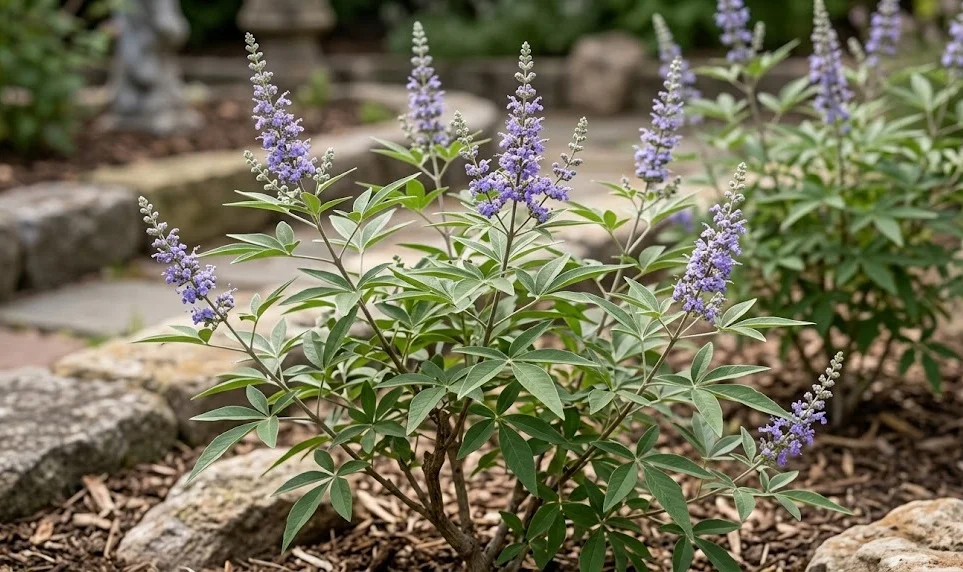
During the flowering season, the long spikes of blooms provide a vertical element that complements the more rounded shapes of other garden plants. The color palette of the flowers, typically ranging from pale blue to deep violet, is known for its calming and sophisticated impact on the landscape. You should consider how these colors interact with the surrounding blooms to create a harmonious and professional garden design. Maximizing the ornamental potential of the shrub is a creative process that evolves as the plant grows and changes.
The seeds of the plant have also been a subject of interest for those exploring the relationship between plants and human wellness over the centuries. While professional medical advice should always be followed, the historical context of the Chinese chastetree is a fascinating topic for any plant enthusiast. By maintaining a healthy specimen, you are preserving a piece of botanical history that has been valued for generations across different continents. This rich heritage makes the shrub a conversation starter and a truly special component of your horticultural collection.
Long-term health and sustainability
Ensuring the long-term health of a Chinese chastetree involves a commitment to sustainable gardening practices that benefit both the plant and the planet. You should focus on building soil health through the use of organic mulches and composts rather than relying solely on synthetic inputs. This approach fosters a diverse community of soil microorganisms that work in harmony with the plant’s roots to provide natural protection. A healthy soil ecosystem is the most effective way to prevent long-term issues and ensure the shrub remains vigorous for decades.
Monitoring the plant for any signs of decline as it ages will help you make informed decisions about its continued care and maintenance. Older specimens may require more deliberate thinning of the wood to encourage the growth of new, productive branches from the base. You should also stay informed about any new environmental challenges or pests that might emerge in your region over time. Being a proactive and informed gardener is the best way to safeguard the investment you have made in your landscape.
Sustainability also means selecting plants that are well-suited to your local environment and require fewer resources to maintain. The Chinese chastetree fits this criteria perfectly in many areas due to its inherent toughness and low water requirements once established. You can feel good about choosing a species that provides so much beauty and ecological value with relatively little impact on your water bill or time. This balance between high performance and low maintenance is a hallmark of professional-grade garden planning.
As you look toward the future, the Chinese chastetree will likely become a beloved fixture in your garden that marks the passing of the seasons. Its reliable growth and stunning displays will provide a sense of continuity and accomplishment in your horticultural journey. By following professional care standards and respecting the plant’s natural needs, you ensure a legacy of beauty and health. The journey of caring for this remarkable shrub is a rewarding path that connects you deeply to the cycles of the natural world.