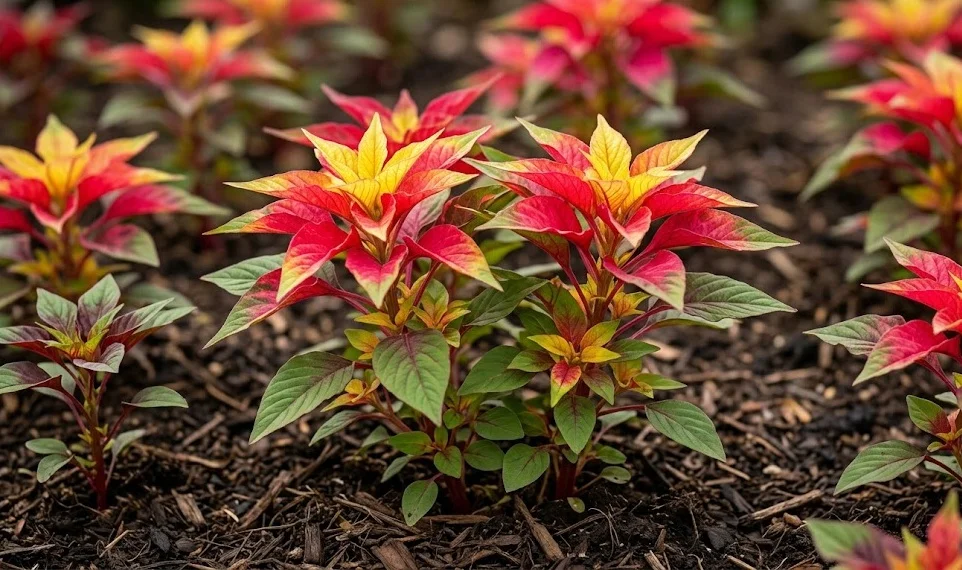

To successfully manage this plant through the colder months, you must first understand its fundamental biological nature and life cycle. This species is typically grown as an annual in most temperate climates because it cannot survive freezing temperatures or prolonged frost. Its natural strategy is to produce a large quantity of seeds during the summer that will lie dormant in the soil until the next spring. Recognizing this means that your primary goal for overwintering is often about seed preservation rather than keeping the adult plant alive.
The decline of the plant usually begins as soon as the night temperatures consistently drop below ten degrees Celsius in the early autumn. You will notice the once-vibrant leaf colors starting to fade and the stems becoming more fibrous and less attractive than they were in the summer. This is a natural part of the aging process as the plant shifts its remaining energy into its reproductive organs. You should not be alarmed by this change, as it is the signal that your summer gardening season is coming to an end.
If you live in a region with very mild winters where frost is rare, you might be able to keep the plant growing for a longer period. However, even in these favorable conditions, the plant will eventually become leggy and lose its ornamental appeal after the first year. Most expert gardeners find it much more effective to start with fresh, vigorous plants each spring rather than trying to maintain old specimens. This approach ensures that you always have the most colorful and healthy foliage on display in your garden beds.
Preparing for the end of the season involves deciding which plants you want to use for seed collection and which ones should be cleared away. You should select the most robust and colorful individuals to serve as the parents for your next generation of garden ornamentals. This selective process allows you to improve the quality of your stock year after year, adapting the plants to your specific local conditions. Clearing out the rest of the plants helps to keep the garden tidy and prevents the spread of pests into the winter.
Seed harvesting for next year
Collecting seeds is the most reliable and traditional method of ensuring that you can enjoy this plant in your garden year after year. You should wait until the flower spikes have turned brown and the seeds are firm, dark, and easily detached from the husks. It is best to do this on a dry, sunny afternoon to ensure that the seeds have as little moisture as possible when you harvest them. Simply shaking the flower heads into a clean bucket or a paper bag is usually sufficient to collect hundreds of potential new plants.
More articles on this topic
Once you have collected the seeds, you should spread them out on a flat tray or a piece of paper in a warm, dry room for a few days. This final drying step is critical because any remaining moisture can lead to mold or rot during the long months of winter storage. You can gently blow away the light chaff and debris, leaving only the clean and heavy seeds behind for your collection. Labeling your seeds with the variety name and the date of harvest is a good habit that will save you confusion in the spring.
Storing the dried seeds in a cool, dark place is the best way to maintain their viability until the next planting season arrives. You can use small glass jars, plastic film canisters, or even simple paper envelopes to keep your seeds organized and protected from the elements. A refrigerator can provide an excellent environment for seed storage, provided the containers are airtight to keep out the humidity. Many seeds from this family can remain viable for several years if they are kept under these optimal storage conditions.
Testing the germination rate of your stored seeds in the late winter is a great way to plan your upcoming garden layout more accurately. You can place a few seeds between moist paper towels and keep them in a warm spot to see how many of them sprout over a week. If the germination rate is low, you will know that you need to sow more seeds to get the number of plants you want. This proactive approach takes the guesswork out of your spring planting and ensures that you have a full and vibrant garden.
Indoor overwintering of specimens
If you have a particularly beautiful specimen that you are not ready to let go of, you can attempt to bring it indoors for the winter. You should choose a relatively small plant or take a cutting in the late summer to make the transition to indoor life more manageable. Moving a large, mature plant from the garden into a pot is often unsuccessful because the root system is too extensive to be contained easily. A smaller, younger plant is much more likely to adapt to the lower light and humidity levels found inside a typical home.
More articles on this topic
Providing the right environment indoors is the biggest challenge when trying to keep this tropical species alive during the winter months. You should place the pot in the brightest window available, ideally one that faces south to catch the maximum amount of winter sunlight. Since indoor air is often very dry due to heating systems, using a humidifier or a pebble tray can help to keep the foliage from drying out. You will also need to be very careful with your watering, as the plant will grow much slower and require less moisture than it did outdoors.
Pest management is another critical factor to consider when keeping your plants indoors where natural predators are not present. You should inspect the leaves regularly for signs of spider mites or whiteflies, which can quickly become a problem in the warm indoor air. Using a gentle insecticidal soap or simply wiping the leaves with a damp cloth can help to keep these pest populations under control. If the plant becomes heavily infested, it may be better to dispose of it to prevent the pests from spreading to your other houseplants.
Most plants kept indoors over the winter will become somewhat leggy and lose some of their intense leaf coloration due to the lack of intense sunlight. You should avoid the temptation to fertilize them during this period, as the goal is simply to keep them alive rather than to push for new growth. In the spring, you can prune the plant back hard to encourage fresh, colorful growth as the days get longer and the light becomes stronger. This overwintered plant can then serve as a source of cuttings for even more new additions to your summer garden.
Preparing the garden bed
Clearing the garden bed of all plant remains at the end of the season is a vital step in your annual maintenance routine. You should remove the stems and roots of the spent plants to prevent them from becoming a winter refuge for garden pests and diseases. If the plants were healthy throughout the summer, you can add the material to your compost pile where it will break down into valuable organic matter. However, any plants that showed signs of fungal disease should be disposed of in the municipal green waste to prevent the spores from overwintering.
Once the bed is clear, you can take the opportunity to improve the soil structure by adding a fresh layer of compost or well-rotted manure. You do not need to dig this in deeply; simply spreading it over the surface will allow the winter rains and worms to incorporate it into the soil. This replenishes the nutrients that were used up by the heavy-feeding plants during the previous growing season. A healthy and nutrient-rich soil is the best foundation you can provide for the new seedlings you will plant in the spring.
Applying a winter mulch or planting a cover crop can help to protect your garden soil from erosion and nutrient leaching during the dormant months. You can use a thick layer of straw or fallen leaves to keep the soil surface covered and suppress any cool-season weeds that might try to take hold. This protective layer also helps to maintain a more stable soil temperature, which is beneficial for the underground ecosystem of microbes and earthworms. Taking care of your soil in the winter pays off with better plant health and higher productivity in the following year.
Finally, you should take some time to evaluate the performance of your plants and the overall layout of your garden before the memories of summer fade. You can make notes in your garden journal about which varieties had the best color or which areas of the bed were the most successful. This information is incredibly valuable when you are browsing seed catalogs and planning your new garden during the cold winter evenings. A professional gardener is always looking for ways to improve, and the winter is the perfect time for reflection and strategic planning.