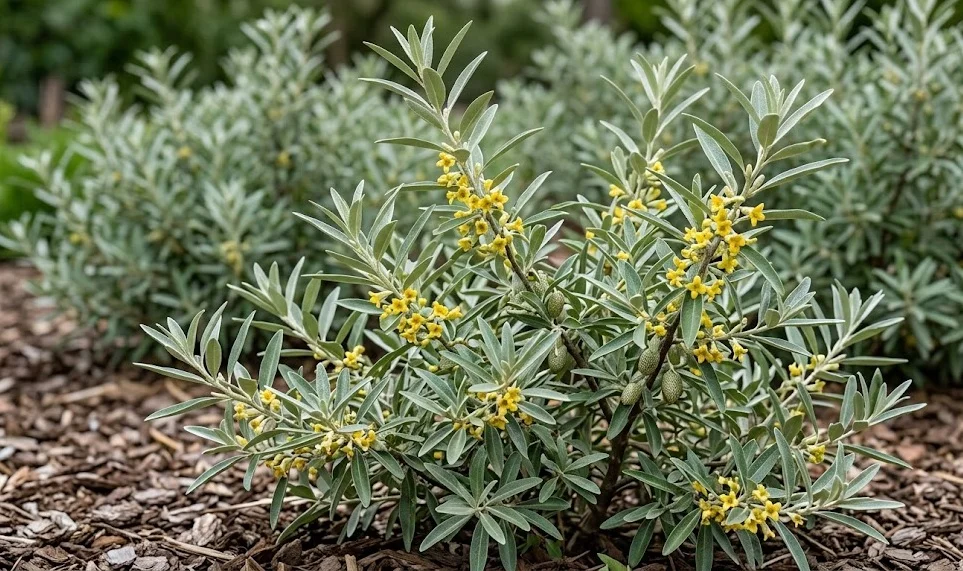

While this species is remarkably tough, it is not entirely immune to the various diseases and pests that can affect garden plants. Professional management involves a combination of preventive care and early identification to keep these issues from becoming serious. By maintaining a healthy environment, you can significantly reduce the likelihood of any major infestations or infections. This chapter covers the most common challenges you might face and how to handle them with expertise.
Fungal diseases are perhaps the most common issue, especially in regions with high humidity or frequent rainfall. Verticillium wilt is a serious concern that can cause branches to die back suddenly, often affecting only one side of the tree at first. This pathogen lives in the soil and enters the plant through the roots, making it difficult to treat once established. Maintaining good soil drainage and avoiding physical injury to the roots are your best defenses against this frustrating and potentially fatal disease.
Canker-producing fungi can also be a problem, often appearing as sunken or discolored areas on the bark of branches and the main trunk. These cankers can eventually girdle a branch, cutting off the flow of water and nutrients and leading to dieback. You should prune out any affected branches well below the visible damage, making sure to sterilize your tools between every cut. Keeping the tree vigorous through proper watering and mulching helps it naturally resist the spread of these fungal infections.
Leaf spot diseases are generally less serious but can impact the ornamental value of the silvery foliage if they become widespread. These typically appear as small brown or black spots on the leaves, which may eventually turn yellow and fall off prematurely. Improving air circulation around the plant by thinning the canopy and removing fallen debris can help reduce the moisture that these fungi need to thrive. While rarely life-threatening, managing leaf spot keeps your plant looking its professional best throughout the growing season.
Identifying common insect pests
Aphids are small, soft-bodied insects that can sometimes congregate on the new, tender growth in the spring. They feed on the sap of the plant, which can lead to distorted leaves and the production of a sticky substance called honeydew. In most cases, a strong blast of water from a garden hose is enough to dislodge them and keep their numbers under control. Natural predators like ladybugs and lacewings will often move in quickly to handle any remaining aphids without the need for chemical intervention.
More articles on this topic
Scale insects are more difficult to spot as they often look like small, stationary bumps on the stems and branches. These pests also feed on sap and can weaken the plant over time if their population is allowed to explode. You can manage small infestations by wiping them off with a damp cloth or by using a light application of horticultural oil during the dormant season. Consistent monitoring is key to catching scale before they have a chance to spread throughout the entire shrub.
Mites are tiny arachnids that can cause the leaves to look stippled or bronzed, especially during hot and dry weather. You might notice very fine webbing on the undersides of the leaves if the infestation is particularly heavy. Like aphids, mites can often be managed by increasing the humidity around the plant and occasionally washing the foliage with water. If the problem persists, using a specialized miticide or insecticidal soap may be necessary to protect the health of the tree.
Wood-boring insects are a more serious threat, as they tunnel into the trunk and branches, disrupting the plant’s internal systems. These pests are often attracted to trees that are already stressed by drought, disease, or physical damage. Signs of borers include small exit holes in the bark, sawdust-like material around the base, and sudden dieback of large branches. Keeping your tree healthy and hydrated is the most effective way to prevent these destructive insects from taking up residence.
Cultural and organic control methods
The most effective way to manage any pest or disease is to prevent it from ever gaining a foothold in your garden. This starts with selecting high-quality, disease-free plants from reputable nurseries and planting them in the right location. Proper spacing ensures that each plant has enough room for air to move freely, which is one of the best ways to prevent fungal issues. A well-maintained garden is naturally more resilient to the challenges posed by local pests and pathogens.
More articles on this topic
Organic sprays, such as neem oil or potassium-based soaps, can be very effective for managing minor insect problems without harming beneficial garden life. These products work by physical contact or by disrupting the feeding and growth cycles of the target pests. You should always follow the label instructions carefully and apply these treatments during the cooler parts of the day to avoid leaf burn. Using organic methods supports a healthy garden ecosystem and aligns with a professional, sustainable approach to landscaping.
Sanitation is another crucial component of a professional pest management strategy. You should regularly remove and dispose of any fallen leaves, spent fruit, or pruned branches that might harbor overwintering pests or fungal spores. Do not add diseased material to your home compost pile, as the heat may not be sufficient to kill the pathogens. By keeping the area around your plant clean, you remove the hiding spots and breeding grounds for many common garden problems.
Encouraging biodiversity in your garden can provide a natural system of checks and balances that keeps pest populations in check. Planting a variety of flowering species attracts beneficial insects like hoverflies and predatory wasps that feed on common garden pests. You will find that a diverse garden requires much less intervention because nature is doing much of the work for you. This holistic approach is both effective and deeply satisfying for any gardener who values a balanced ecosystem.
Professional diagnostic techniques
If you notice something wrong with your plant but aren’t sure of the cause, a systematic diagnostic approach can help you find the answer. Start by examining the entire plant, from the roots to the tips of the highest branches, looking for patterns in the damage. Note whether the symptoms are appearing on new growth or old growth, and whether they are localized or widespread. This detailed observation is the first step toward choosing the right treatment and preventing further spread.
Using a magnifying glass can help you see tiny pests like mites or early-stage scale that might be invisible to the naked eye. You should also look for signs of “frass” or insect droppings, which can give you a clue about what kind of visitor you are dealing with. Sometimes, the symptoms you see are actually caused by environmental factors like salt damage or nutrient imbalances rather than a living pest. Taking the time to accurately identify the problem prevents you from wasting time and money on the wrong solutions.
Consulting with local agricultural extension offices or professional arborists can provide you with expert advice tailored to your specific region. They are often aware of local outbreaks or specific conditions that might be affecting plants in your area. Many of these services offer soil testing and tissue analysis to pinpoint exactly what is going wrong with your specimen. Reaching out to experts is a sign of a professional gardener who is committed to the highest standards of care.
Keeping a record of any issues and the treatments you used will help you manage your garden more effectively in the future. You may find that certain problems recur at the same time every year, allowing you to take preventive action before they become serious. This long-term perspective turns each challenge into a learning opportunity that makes you a more skilled and confident gardener. Consistency and documentation are the keys to maintaining a healthy and beautiful landscape year after year.
Managing invasive tendencies and health
In some regions, this plant is considered invasive because it can spread quickly and outcompete native vegetation. Part of a professional management plan involves ensuring that your plant does not become a problem for the surrounding natural areas. You can do this by harvesting the fruit before it is spread by birds or by choosing sterile cultivars if they are available. Being a responsible gardener means considering the impact of your plants on the wider environment as well as your own garden.
Regular pruning not only keeps the plant looking good but also removes potential entry points for diseases. By cutting back old or weak wood, you encourage the plant to produce new, vigorous growth that is more resistant to attack. Always make your cuts just outside the branch collar to ensure the wound heals quickly and effectively. This simple maintenance task is one of the most powerful tools you have for keeping your tree healthy and pest-free.
Monitoring the growth rate of the plant can also give you a sense of its overall immune system strength. A tree that is growing at a steady, healthy pace is much better equipped to heal from minor injuries and fight off infections. If growth seems to have stopped or slowed significantly, it’s a signal to check the soil moisture and nutrient levels. Maintaining steady vigor is the foundation of a proactive approach to plant health and longevity.
Finally, remember that some minor damage from insects or weather is a normal part of life in any garden. A professional gardener knows when to intervene and when to let the plant handle minor stresses on its own. Your goal is not to create a sterile environment but a resilient one where the plant can thrive in balance with its surroundings. This balanced perspective ensures that your garden remains a source of joy and beauty for many years to come.