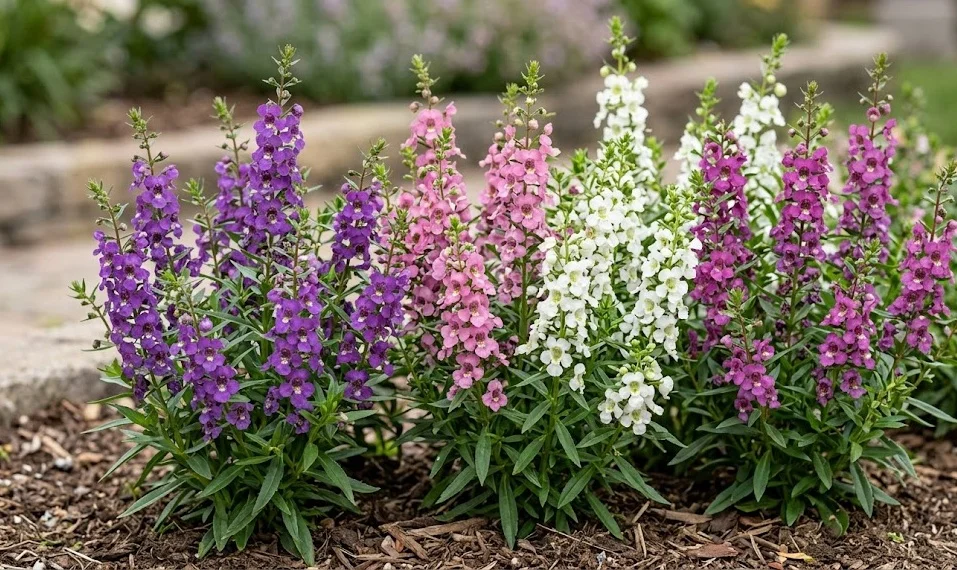

Maintaining the health of narrowleaf angelonia requires a proactive approach to managing the various biological threats that can affect its growth. While this species is relatively robust, it is not entirely immune to the common pathogens and insects that populate a typical garden environment. Understanding the life cycles and behaviors of these pests is essential for implementing effective control measures that do not harm the surrounding ecosystem. This article explores the professional methods for identifying, preventing, and treating the most common issues that might arise during the growing season.
The first line of defense against any disease or pest is always the overall vigor and health of the plant itself. Stress-free plants that receive adequate light, water, and nutrients are much better at naturally resisting attacks from opportunistic organisms. When a plant is weakened by environmental factors, it becomes a much more attractive target for pests and a more susceptible host for diseases. Therefore, following the best practices for general care is the most effective preventive strategy you can employ in your garden.
Scouting is the technical term for regularly and systematically inspecting your plants for any signs of trouble. You should look under the leaves, along the stems, and at the base of the plant where many issues first begin to appear. Early detection is crucial, as it is much easier to manage a small localized problem than a widespread infestation or infection. Developing a keen eye for subtle changes in foliage color or texture will help you intervene before any significant damage is done to the ornamental value of the plants.
Integrated Pest Management, or IPM, is the professional standard for dealing with garden health issues in a sustainable and effective manner. This approach prioritizes mechanical and biological controls, such as manual removal or the introduction of beneficial insects, over the use of harsh chemicals. Chemical treatments are only used as a last resort and are selected for their specificity and low environmental impact. By following these principles, you can protect your narrowleaf angelonia while maintaining a healthy and balanced garden environment for all its inhabitants.
Identifying and managing fungal pathogens
Fungal diseases are among the most common problems for many garden plants, and the narrowleaf angelonia is no exception. Powdery mildew is a frequent visitor, manifesting as a white, flour-like coating on the leaves and stems during periods of high humidity. This fungus feeds on the plant’s nutrients and can eventually cause the leaves to yellow and drop off prematurely. Improving air circulation around the plants and avoiding overhead watering are the most effective ways to prevent this specific pathogen from taking hold.
More articles on this topic
Root rot and stem rot are more serious fungal issues that are typically caused by excessively wet soil and poor drainage conditions. These pathogens attack the plant’s circulatory system, causing it to wilt suddenly even when the soil appears to be wet. You may notice a darkening or softening of the stem near the soil line, which is a clear indication of a compromised structure. Unfortunately, once rot has become established in the main stem or root system, the plant is often beyond saving and should be removed to prevent the fungus from spreading.
Botrytis cinerea, also known as gray mold, can sometimes affect the flower spikes of the angelonia, particularly during cool and damp weather. It appears as a fuzzy gray growth that quickly turns the beautiful blossoms into a brown, mushy mess. To manage this issue, you should promptly remove any affected flowers and ensure that the plants have plenty of space for air to move through the foliage. Reducing the density of your planting can make a significant difference in how quickly the foliage dries after rain or irrigation.
Using fungicides can be an effective part of a management strategy, but they should be used judiciously and correctly to avoid building resistance. Many professional gardeners prefer to use organic options like neem oil or potassium bicarbonate, which provide good protection with fewer environmental risks. These products work best when applied preventatively or at the very first sign of infection rather than as a cure for a severe outbreak. Always follow the application rates and safety precautions listed on the product label to ensure the best results for your garden.
Common insect pests and their control
Aphids are small, soft-bodied insects that can often be found clustering on the tender new growth and flower buds of the narrowleaf angelonia. They use their piercing mouthparts to suck the sap from the plant, which can lead to distorted leaves and a general lack of vigor. As they feed, they excrete a sticky substance called honeydew, which can attract ants and provide a growing medium for sooty mold. A strong blast of water from a garden hose is often enough to dislodge these pests and keep their populations under control.
More articles on this topic
Thrips are another common pest that can be particularly difficult to see because of their extremely small size and secretive habits. They often hide inside the developing flower buds, where they feed on the delicate petals before they have a chance to open. This results in flowers that appear scarred, discolored, or failed to open properly, significantly reducing the beauty of the plant. Using yellow or blue sticky traps can help you monitor for the presence of thrips and reduce their numbers without the use of insecticides.
Spider mites can become a major problem during hot, dry weather, as they thrive in conditions where other insects might struggle. You will often see fine webbing between the leaves and a characteristic stippling or “bronzing” effect on the foliage as they feed. Because they reproduce so quickly in the heat, an infestation can spiral out of control in just a few days if left unchecked. Increasing the local humidity around the plants and using insecticidal soaps can help to suppress these pests and protect the health of your garden.
Whiteflies are tiny, moth-like insects that gather on the undersides of leaves and fly up in a cloud when the plant is disturbed. Like aphids, they suck sap and produce honeydew, causing the plant to become weak and unattractive over time. They are often brought into the garden on new plants, so it is important to inspect any nursery purchases thoroughly before adding them to your beds. Introducing natural predators like lacewings or ladybugs can provide long-term biological control of whiteflies and other soft-bodied pests.
Implementing integrated pest management strategies
The core of a successful IPM program is the belief that the gardener should work with nature rather than against it. This means fostering an environment that supports beneficial insects, such as predatory wasps and hoverflies, which naturally keep pest populations in check. Avoiding broad-spectrum insecticides is crucial, as these chemicals often kill the helpful insects along with the pests, leading to even bigger problems in the future. Creating a diverse garden with many different types of plants will attract a wider range of beneficial organisms to your space.
Mechanical controls are often the simplest and most direct way to deal with localized pest or disease issues on your angelonia. This includes hand-picking larger insects like caterpillars or using a cotton swab dipped in alcohol to remove scale or mealybugs. Pruning away infected or heavily infested branches is another effective mechanical method for reducing the pressure on the rest of the plant. These methods are labor-intensive but are highly effective and have zero negative impact on the surrounding environment or the health of the soil.
Cultural controls involve adjusting your gardening practices to make the environment less hospitable to pests and diseases. For example, rotating where you plant your narrowleaf angelonia each year can help to break the life cycles of soil-borne pathogens and pests. Ensuring that you are not over-fertilizing with nitrogen will also help, as excessive soft growth is particularly attractive to many types of sap-sucking insects. These simple changes in how you manage your garden can lead to a significant reduction in the need for more intensive interventions.
Biological controls involve the use of living organisms to suppress pest populations, which is a highly technical but rewarding aspect of modern gardening. You can purchase specific beneficial insects like predatory mites or nematodes and release them directly into your garden beds. These organisms are highly targeted and will only attack the specific pests they are designed to control, leaving the rest of your garden’s ecosystem unharmed. While this approach requires a bit more knowledge and planning, it offers a truly professional and sustainable solution for managing garden health.
Addressing environmental stressors and mimics
Sometimes, what looks like a disease or a pest infestation is actually a physiological response to environmental stress or improper care. For example, leaf scorch caused by extreme heat and lack of water can look very similar to certain types of fungal infections. Similarly, nutrient deficiencies can cause discoloration that is easily mistaken for a viral disease by an untrained eye. Before applying any treatments, it is essential to rule out these abiotic factors and ensure that the plant’s basic needs are being met.
Chemical injury is another common issue that can mimic the signs of disease, especially if herbicides have been used nearby. Even a small amount of drift from a weed-killer used on a lawn can cause distorted growth, yellowing, and death in sensitive ornamental plants like the angelonia. If you notice sudden and widespread damage after a nearby chemical application, it is likely that the plants are suffering from herbicide exposure. In most cases, providing plenty of fresh water to help flush the system is the only thing you can do to help the plants recover.
Salt buildup in the soil or on the foliage can also cause symptoms that look like a pathogen attack, such as browning leaf tips and stunted growth. This is particularly common in container-grown plants or in areas where the irrigation water has a high mineral content. If you see a white crust on the soil surface, it is a sign that you need to “leach” the pots by watering them until the liquid runs freely from the bottom. This process washes away the excess salts and allows the roots to function normally once again.
Understanding the difference between a biological threat and an environmental issue is what sets a professional gardener apart from a novice. Taking the time to properly diagnose the problem before acting will save you time, money, and potentially the lives of your plants. If you are ever unsure about what is affecting your narrowleaf angelonia, consult with a local extension office or a professional horticulturist for an expert opinion. Accurate identification is the foundation of effective treatment and long-term garden success.
Long-term health and disease prevention
The best way to ensure the long-term health of your narrowleaf angelonia is to build a garden that is naturally resilient and balanced. This involves investing in the health of your soil, as a rich and living soil provides the minerals and beneficial microbes that plants need to thrive. Using organic matter and avoiding the over-use of synthetic chemicals will help to create a robust foundation for all your garden plants. A healthy soil ecosystem is one of the most powerful tools a gardener has for preventing the outbreak of diseases and pests.
Sanitation is another critical professional practice that should be performed throughout the growing season and especially at its end. This means removing any fallen leaves or spent flowers that could harbor pathogens or provide a place for pests to overwinter. Cleaning your gardening tools with a disinfectant between uses is also essential for preventing the accidental spread of diseases from one plant to another. These simple hygiene measures can significantly reduce the overall disease pressure in your garden from one year to the next.
Choosing resistant varieties is a technical strategy that many professionals use to simplify their maintenance routines and improve their results. Many modern cultivars of narrowleaf angelonia have been specifically bred for their resistance to common issues like powdery mildew or heat stress. When purchasing new plants, look for information on the label or in the catalog regarding their resistance to local pests and diseases. Selecting the right genetics from the start is one of the most effective ways to ensure a successful and low-maintenance garden display.
Finally, remember that gardening is a continuous learning process and that every challenge is an opportunity to improve your skills. Even the most expert gardeners face issues with diseases and pests from time to time; the difference lies in how they respond to them. By following the detailed advice in this guide, you are well-equipped to manage the health of your narrowleaf angelonia professionally and effectively. Your dedication to their care will be reflected in a garden that is not only beautiful but also strong and resilient.