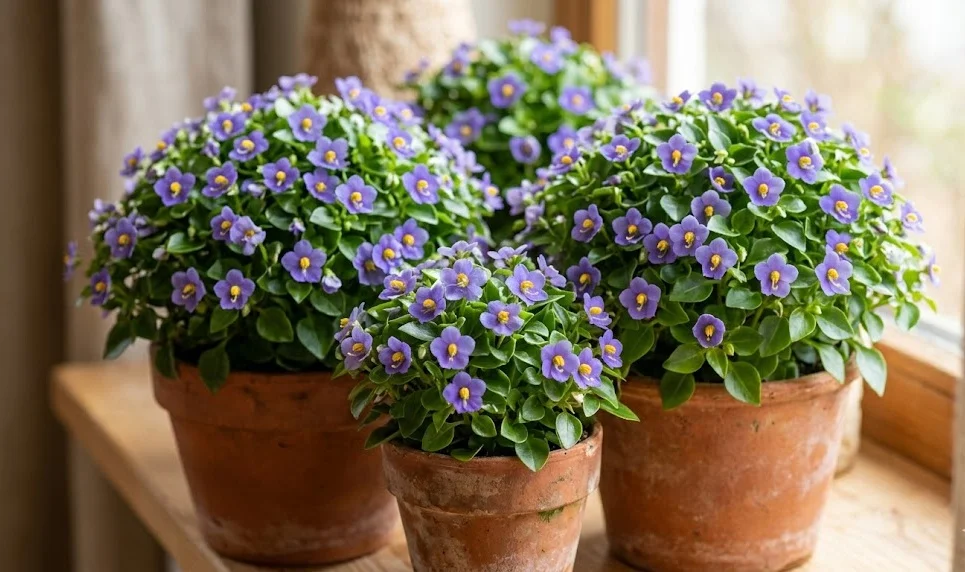

Pruning is an essential professional technique used to maintain the shape, health, and productivity of the persian violet throughout its life cycle. While it may seem counterintuitive to cut a healthy plant, proper pruning actually encourages more vigorous growth and a higher density of flowers. By removing old or unproductive tissue, you allow the plant to direct its energy toward the development of new stems and vibrant blossoms. A well-pruned plant is not only more attractive but also more resilient to pests and diseases.
The primary objective of pruning this species is to maintain its compact, mounded growth habit which is one of its most desirable features. Without regular attention, the stems can become leggy and the plant may lose its tidy appearance as it matures. Professional growers use strategic cuts to encourage branching, resulting in a fuller plant with a greater number of potential flowering sites. Mastering the timing and technique of these cuts is a hallmark of an expert indoor gardener who values both form and function.
Sanitation is perhaps the most important aspect of any pruning task, especially when dealing with delicate indoor flowering plants. Always use sharp, clean scissors or pruning shears that have been sterilized with rubbing alcohol before you begin your work. This prevents the accidental spread of pathogens between plants and ensures that the cuts heal quickly without becoming a site for infection. A clean, precise cut is much better for the plant’s long-term health than a jagged tear or a crushed stem.
Understanding the difference between maintenance pruning and structural cutting will help you achieve the best results for your collection. Maintenance pruning involves the regular removal of spent flowers and dead leaves to keep the plant looking fresh and healthy. Structural cutting is a more intensive process used to shape the plant or rejuvenate an older specimen that has become overgrown. Both techniques are necessary for a professional-grade display that remains stunning for the entire growing season.
Timing the pruning process
The best time for structural pruning is in the early spring as the plant begins to show signs of new growth after its winter rest. Cutting the plant back at this stage provides a fresh start and encourages the development of strong, healthy stems for the upcoming summer. You can be quite aggressive during this time, often cutting back by up to one-third of the total height to promote a bushy habit. Professional gardeners use this window of opportunity to reset the plant’s shape and prepare it for a productive year.
More articles on this topic
Maintenance pruning, such as deadheading and the removal of yellowing leaves, should be performed continuously throughout the entire blooming season. By removing the faded flowers as soon as they appear, you prevent the plant from wasting energy on seed production and stimulate new buds. This simple daily or weekly task can extend the total flowering time by several weeks and keep the plant looking its absolute best. It is a fundamental part of a professional care routine that requires only a few minutes of your time.
Avoid heavy pruning during the height of the summer heat or when the plant is already under significant stress from underwatering or pests. Pruning is a physical injury to the plant, and it needs adequate resources and a stable environment to heal and produce new growth. If the plant is struggling, it is better to resolve the underlying issues before you attempt to shape or cut back the stems. A professional approach always prioritizes the plant’s current state of health over any aesthetic goals you may have.
As the autumn approaches and the light levels drop, you should gradually reduce your pruning activities to allow the plant to prepare for winter. Any new growth produced late in the year will be weak and more susceptible to the challenges of the cold season. Allow the existing foliage to mature and harden off, providing a stable structure for the dormant period ahead. Proper timing ensures that your pruning efforts support the plant’s natural life cycle rather than working against it.
Removing spent flower heads
Deadheading is the process of removing faded blossoms before they have a chance to dry out and begin the seed-forming process. For the persian violet, this is particularly important because the plant will stop producing new buds once it believes its reproductive mission is complete. By “tricking” the plant into thinking it still needs to produce seeds, you can enjoy a continuous display of purple flowers for many months. Professional growers never let a faded flower remain on the plant for more than a day or two.
More articles on this topic
To deadhead correctly, trace the flower stem back to the point where it joins the main branch or a set of healthy leaves. Use your scissors to make a clean cut just above the node, being careful not to damage the emerging buds that may be nearby. If you simply pull the flower off, you risk tearing the delicate skin of the stem and creating an entry point for disease. Precision and care are the hallmarks of an expert who understands the value of a clean floral display.
Regular deadheading also improves the overall health of the plant by increasing air circulation and light penetration into the center of the mound. Faded flowers can often become a host for botrytis or other fungal issues, especially in high-humidity environments. Removing them promptly keeps the surrounding foliage clean and reduces the risk of an outbreak that could ruin the entire plant. It is a simple preventative measure that pays dividends in both the appearance and longevity of your specimens.
As you perform your deadheading, take the opportunity to inspect the plant for any early signs of pests or nutritional deficiencies. This close-up work is the best way to catch thrips or aphids before they multiply into a serious problem for your collection. You can also monitor the texture and color of the new leaves to ensure your watering and fertilization programs are on track. Professional gardening is as much about observation as it is about physical intervention and care.
Shaping the plant for growth
If your persian violet starts to look leggy or lopsided, you can use “pinching” to encourage a more symmetrical and dense shape. Pinching involves removing the very tip of a growing stem, which triggers the dormant buds below the cut to begin growing. This results in two new branches where there was previously only one, effectively doubling the density of the foliage over time. Professional growers use this technique early in the plant’s life to create a strong, bushy foundation for future flowers.
When shaping an older plant, look for any stems that are growing much faster than the rest and cut them back to the desired level. This balances the distribution of energy throughout the plant and prevents any single branch from becoming dominant and unsightly. Try to maintain a natural, rounded mound shape that allows light to reach all parts of the foliage equally. A well-shaped plant is more than just a pretty object; it is a highly efficient biological system designed for maximum growth.
Don’t be afraid to remove stems that are growing toward the center of the plant or crossing over other branches. These “inward” growing stems can clutter the center of the mound, reducing airflow and creating a perfect hiding spot for pests. Clearing out the middle of the plant is a professional technique that improves the health of the entire specimen by facilitating better gas exchange. A more open structure is always preferred for long-term health in a high-humidity indoor environment.
After a major shaping session, your plant may look a bit sparse for a week or two while it recovers and begins new growth. Provide it with optimal light and a gentle dose of fertilizer to support the rapid development of the new branches you have encouraged. Within a short time, the plant will fill in with even more vigor than before, rewarding your efforts with a stunning and professional-looking display. Shaping is an investment in the future beauty of your indoor garden that requires both vision and patience.
Tools and hygiene for cutting
The quality of your pruning tools directly affects how quickly the plant can heal from the cuts you make during your maintenance routine. Dull blades can crush the stems instead of cutting them, leading to damaged tissues that are more likely to rot or become infected. Invest in a pair of high-quality floral snips or small bypass pruners that feel comfortable in your hand and hold a sharp edge. Keeping your tools in top condition is a professional habit that shows respect for the living organisms in your care.
Sterilizing your tools before and after each use is a non-negotiable rule for any serious gardener who wants to prevent the spread of disease. You can use a simple solution of seventy percent isopropyl alcohol to wipe down the blades between different plants in your collection. This prevents the accidental transfer of viral or fungal pathogens that may be present but not yet visible on a particular specimen. Hygiene is the first line of defense in maintaining a healthy and professional-grade indoor garden.
When making a cut, always aim for a forty-five-degree angle just above a healthy leaf node or a set of opposite leaves. This angle prevents water from sitting on the cut surface, which significantly reduces the risk of fungal spores taking root in the wound. The proximity to the node ensures that the plant can quickly seal the cut and redirect its energy into the dormant buds located there. Following these professional botanical rules ensures the best possible outcome for every single cut you make.
Finally, remember to clean up and dispose of all the material you have removed from the plant immediately after you finish pruning. Leaving dead leaves and stems on the surface of the soil or around the base of the pot can attract pests and harbor disease. A professional workspace is always tidy and organized, reflecting the care and attention to detail that goes into every aspect of plant management. With proper tools and a focus on hygiene, your pruning routine will become a safe and effective way to enhance your collection.