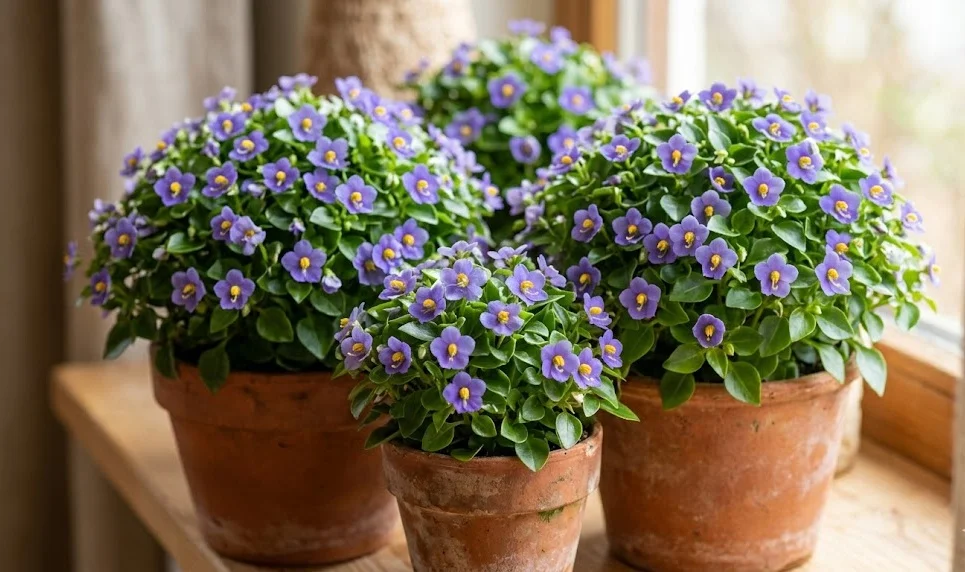

Mastering the art of irrigation and nutrition is the hallmark of a professional gardener when dealing with delicate indoor species. The persian violet has specific requirements that differ from many other common houseplants, demanding a more precise and consistent approach. Providing the right amount of water at the correct time prevents the most common physiological disorders that affect these plants. When combined with a balanced fertilization program, your plants will exhibit superior vigor and a much more impressive floral display.
The fundamental rule of watering this species is to keep the soil consistently moist without ever allowing it to become waterlogged or completely dry. You should check the moisture level of the medium daily by pressing your finger about an inch into the surface of the soil. If the top layer feels dry to the touch, it is time to provide a thorough soaking until water drains from the bottom. This consistency prevents the stress that causes flower buds to drop and leaves to wilt prematurely.
Overwatering is perhaps the most frequent cause of plant failure among amateur enthusiasts and must be strictly avoided at all costs. When the soil remains saturated for extended periods, the roots are deprived of the oxygen they need to function and survive. This leads to a condition known as root rot, which is often fatal and difficult to reverse once it has taken hold. A professional grower always ensures that the drainage holes are clear and that the pot never sits in standing water.
The quality and temperature of the water you use are just as important as the quantity and frequency of application. Cold water can shock the sensitive root system and cause unsightly spots to appear on the foliage of tropical varieties. Always use water that has reached room temperature, which is much more compatible with the plant’s internal biological processes. If your tap water is heavily chlorinated, letting it sit overnight allows the chemicals to dissipate and makes it safer for delicate plants.
Mastering the watering schedule
A successful watering routine is built on observation rather than a rigid calendar that does not account for environmental changes. Factors such as the current room temperature, humidity levels, and the intensity of sunlight all influence how quickly the soil dries out. During the peak growing season in summer, you might find yourself watering every two or three days to keep up with the demand. In contrast, the cooler and darker winter months will require much less frequent intervention to maintain the correct balance.
More articles on this topic
Using the bottom-watering method is a professional secret that ensures the root ball is evenly saturated without wetting the foliage. Simply place the pot in a shallow basin of room-temperature water and allow the soil to wick up the moisture for about twenty minutes. This technique is particularly useful for plants with dense foliage that makes it difficult to pour water directly onto the soil surface. Once the top of the soil feels damp, remove the pot from the basin and let any excess water drain away completely.
If you prefer top-watering, you must be careful to avoid splashing the leaves and flowers, which can lead to fungal infections. Use a watering can with a long, narrow spout that allows you to target the base of the plant with precision. Apply the water slowly so that it has time to soak into the medium rather than just running down the inside of the pot. Professional attention to detail during this simple task prevents many of the cosmetic issues that detract from the plant’s beauty.
Understanding the signs of water stress will help you make quick adjustments before any permanent damage occurs to the plant structure. Wilting leaves are the most obvious indicator that the plant is thirsty and needs immediate attention to recover its turgor pressure. On the other hand, yellowing lower leaves can sometimes be a sign that the soil is staying too wet for too long. By learning to read these subtle cues, you can maintain a perfect moisture balance throughout the entire growing season.
Selecting the appropriate water quality
The mineral content of your water supply can significantly impact the long-term health and chemical balance of the potting medium. Hard water, which contains high levels of calcium and magnesium, can eventually lead to a buildup of alkaline salts in the soil. This shift in pH can lock away essential nutrients and cause the plant to show signs of deficiency even if fertilizer is applied. Professional growers often use rainwater or filtered water to avoid these issues and keep the root environment pristine.
More articles on this topic
Chlorine and chloramines are commonly added to municipal water supplies to ensure safety, but they can be harmful to sensitive tropical plants. These chemicals can cause the tips of the leaves to turn brown or inhibit the growth of beneficial microorganisms in the soil. Filling your watering can the night before and leaving it uncovered allows the chlorine to evaporate naturally into the surrounding air. This simple and cost-free practice is a standard part of a professional indoor gardening routine for delicate species.
If you have a water softener installed in your home, you should avoid using that water for your plants because of the high sodium content. Sodium can be toxic to plants over time and will destroy the structure of the potting soil by displacing other vital minerals. It is much better to use water from an outdoor tap or a dedicated bypass that provides untreated water for your gardening needs. Investing in a simple charcoal filter can also help remove many of the impurities that might hinder plant growth.
Periodically flushing the soil with large amounts of clear, pure water is a professional technique for refreshing the root zone. This process washes away any accumulated fertilizer salts and metabolic waste products that can build up over several months. Set the pot in a sink and pour water through the soil until it runs clear from the drainage holes at the bottom. This deep cleansing helps maintain a healthy chemical environment and prevents the leaf tip burn often seen in older specimens.
Nutritional requirements and timing
Fertilizing the persian violet is essential for supporting its rapid growth and the continuous production of its signature purple flowers. Because it is a heavy feeder during its active phase, a consistent supply of nutrients is required to keep the plant looking its best. However, you must be careful not to over-fertilize, as this can lead to lush green growth at the expense of floral development. A balanced approach that provides all the necessary elements in the correct proportions is the key to success.
The best time to start your fertilization program is in early spring when you first notice the emergence of new leaves. Continue to apply nutrients throughout the summer and into early autumn while the plant is still actively growing and blooming. As the light levels drop in the winter and the plant’s metabolism slows down, you should significantly reduce or stop fertilizing altogether. This rest period is vital for the plant’s long-term health and prevents the buildup of unused minerals in the soil.
Using a liquid fertilizer is generally preferred for indoor plants because it allows for more precise control over the dosage and application. Dilute the fertilizer to half the strength recommended on the product label to avoid burning the sensitive root hairs of the plant. Applying a weaker solution more frequently is often more effective than giving a single large dose that the plant cannot fully utilize. Professional growers often refer to this as “weakly, weekly” and it results in much more stable and predictable growth.
Always ensure that the soil is already moist before you apply any fertilizer solution to the pot. Applying nutrients to bone-dry soil can cause immediate chemical burns to the roots and lead to the rapid decline of the entire plant. Water the plant with clear water first, then follow up with the diluted fertilizer solution a few hours later for the safest results. This extra step is a hallmark of an expert gardener who prioritizes the safety and health of their plant collection.
Choosing the right fertilizer types
A balanced, water-soluble fertilizer with an equal ratio of nitrogen, phosphorus, and potassium is a great choice for general maintenance. Nitrogen supports healthy leaf and stem growth, while phosphorus is critical for root development and the production of vibrant flowers. Potassium helps the plant regulate its water use and improves its overall resistance to environmental stress and common pests. Look for a product that also contains essential micronutrients like iron, manganese, and zinc for complete nutrition.
Some specialized fertilizers are formulated specifically for flowering plants and contain higher levels of phosphorus to boost blossom production. These “bloom booster” formulas can be very effective when used during the height of the flowering season to enhance the display. However, they should not be used exclusively, as the plant still needs nitrogen and potassium for its basic structural and physiological functions. Rotating between a balanced formula and a bloom-focused one is a common professional strategy for maximum impact.
Organic fertilizers are another excellent option and provide a slower, more sustained release of nutrients into the growing medium. Products like seaweed extract or fish emulsion not only provide minerals but also improve the overall health of the soil biology. These options are often more gentle on the plant and reduce the risk of chemical burns or sudden nutrient surges. Many professionals prefer organic methods because they create a more resilient and naturally healthy plant over the long term.
Slow-release granules can be mixed into the potting soil at the time of planting to provide a base level of nutrition for several months. This is a convenient option for busy gardeners, but it offers less flexibility than liquid fertilizers during the different stages of growth. You may still need to supplement with liquid nutrients if the plant shows signs of hunger during its peak blooming period. Combining both methods can provide the best of both worlds: consistent baseline nutrition and targeted boosters when needed.
Identifying signs of nutrient imbalance
Being able to read the leaves for signs of nutritional stress is a vital skill for any serious indoor gardener. If the new leaves are turning yellow while the veins remain green, the plant may be suffering from an iron deficiency. This often occurs when the soil pH has become too alkaline, preventing the roots from absorbing the iron that is already present. Adjusting the pH or using a chelated iron supplement can quickly resolve this common and unsightly physiological problem.
General yellowing of the older, lower leaves is often a sign of nitrogen deficiency, as the plant moves mobile nutrients to the new growth. If you notice this happening during the active growing season, it is a clear signal that you need to increase your fertilization frequency. On the other hand, if the leaves are exceptionally dark green but there are no flowers, you may be providing too much nitrogen. Balancing these two extremes is the constant challenge and reward of professional horticultural care.
Brown or “burnt” edges on the leaves can be an indicator of fertilizer salt buildup in the potting medium. This occurs when the water evaporates, leaving behind high concentrations of minerals that dehydrate the leaf tissues from the inside out. If you see these symptoms, stop fertilizing immediately and flush the soil several times with pure, room-temperature water. Once the plant shows signs of recovery, you can resume a more cautious and diluted fertilization program.
Finally, a lack of flowers or very small, pale blossoms can indicate that the plant is not receiving enough phosphorus. This is common in plants that have been in the same soil for a long time without any supplemental feeding. Providing a targeted dose of a high-phosphorus fertilizer can often trigger a new flush of buds within a few weeks. Regular observation and a proactive approach to nutrition will ensure that your persian violet remains a stunning and healthy centerpiece.