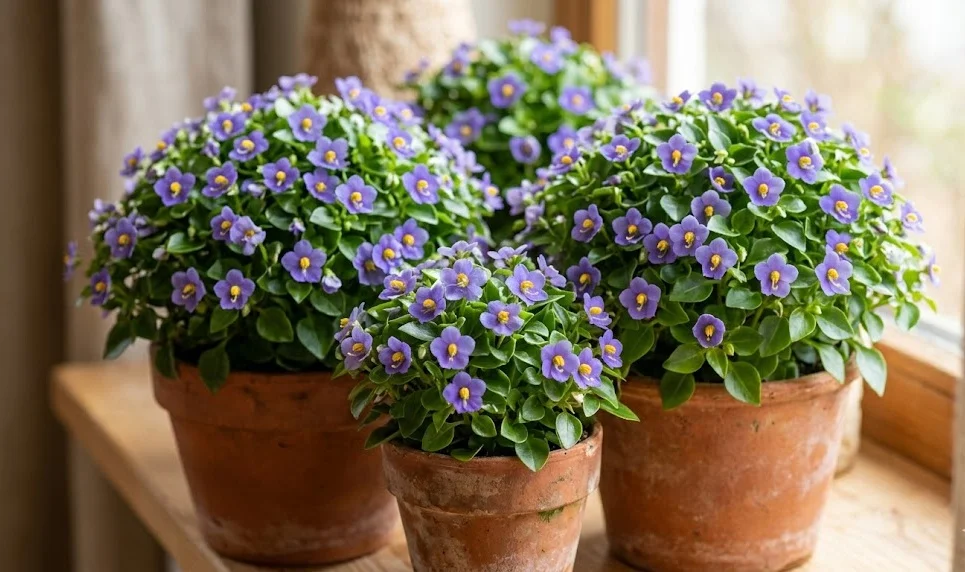

The persian violet is a popular choice for indoor gardeners who appreciate its compact growth habit and prolific flowering capabilities. Maintaining this plant requires consistent attention to specific environmental parameters that mimic its natural tropical origins. Proper care involves balancing moisture levels while ensuring the roots remain healthy and aerated at all times. Professionals often emphasize that stability in the surrounding atmosphere is the primary key to long-term success.
High humidity is essential for keeping the foliage looking lush and preventing the edges from turning brown. You should place the pot on a tray filled with pebbles and water to naturally increase the local moisture levels. Misting the leaves periodically can also help, though you must avoid wetting the delicate flower petals directly. Consistent humidity helps the plant tolerate indoor heating systems that often dry out the air significantly.
Temperature control is another vital aspect of caring for this species during its active growth phase. It prefers moderate conditions and will suffer if exposed to extreme heat or sudden cold drafts from windows. Keeping the ambient temperature between eighteen and twenty-four degrees Celsius will ensure the most vigorous development. Avoiding placement near radiators or air conditioning units is a professional standard that prevents unnecessary plant stress.
Understanding the life cycle of the plant allows you to manage expectations regarding its longevity and bloom time. Since it is often treated as a biennial, it may naturally decline after a period of heavy flowering. Regular monitoring of the stems and leaves will help you identify when the plant needs a rest period. Providing the right environment from the start will maximize the visual impact of its beautiful purple blossoms.
Environmental factors for growth
The primary requirement for a healthy display is finding the perfect spot in your home that offers bright but indirect light. Direct sunlight can scorch the leaves and cause the flowers to fade much faster than they would in filtered light. Most professional growers suggest an east or west-facing window where the morning or late afternoon sun is gentle. If the light is too dim, the plant will become leggy and produce fewer flower buds over time.
More articles on this topic
Air circulation is frequently overlooked by hobbyists but remains a critical factor in preventing fungal issues. You should ensure that there is a slight movement of air around the foliage without creating a direct cold draft. Stagnant air combined with high humidity can lead to botrytis or other common greenhouse pathogens. Spacing your plants out properly on a shelf or table is a simple way to facilitate better air movement.
The choice of container can influence how well the plant manages its internal water balance throughout the day. Using a pot with adequate drainage holes is non-negotiable to prevent the buildup of salts and stagnant water. Terracotta pots are often preferred because they allow the soil to breathe more effectively than plastic alternatives. Always choose a size that is proportionate to the root ball to avoid the soil staying too wet for too long.
Seasonal adjustments are necessary as the intensity of light and indoor temperatures fluctuate throughout the year. During the height of summer, you may need to move the plant further away from the window glass to avoid heat stress. In the winter months, supplemental lighting might be required if the natural daylight hours are insufficient for maintenance. Observing the plant’s response to these changes will guide you in making the necessary tactical adjustments.
Managing optimal temperature levels
Sustaining a steady temperature is the foundation of a professional indoor gardening strategy for this specific variety. The plant thrives best when the daytime temperature remains consistent and does not fluctuate by more than a few degrees. Drastic changes can cause the buds to drop before they have a chance to fully open and display their color. You should aim for a range that feels comfortable for humans, as this usually suits the plant as well.
More articles on this topic
Nighttime temperatures should ideally be slightly cooler than the daytime highs to promote a natural metabolic rhythm. A drop of about three to four degrees at night helps the plant conserve energy and strengthens the stems. However, you must ensure that the temperature never falls below fifteen degrees Celsius even during the coldest nights. Protecting the plant from the chill of window panes during winter is a crucial task for every dedicated grower.
Heat stress can manifest as wilting even when the soil moisture appears to be adequate for the plant’s needs. If the room becomes too hot, the plant increases its transpiration rate beyond what the roots can effectively supply. You might notice the leaves becoming soft and losing their characteristic shine during the hottest parts of the day. Providing shade or moving the plant to a cooler room can quickly rectify this temporary physiological imbalance.
In professional greenhouses, temperature is often monitored with precision instruments to ensure a high-quality floral yield. Home gardeners can achieve similar results by using a simple thermometer placed near the plant’s actual location. This allows you to identify microclimates within your home that might be unsuitable for sensitive species. Consistency is the hallmark of expert care, and temperature management is where that consistency begins.
Maintaining appropriate atmospheric moisture
Relative humidity levels between fifty and sixty percent are ideal for promoting healthy leaf expansion and floral longevity. Most modern homes have much drier air, especially when central heating or air conditioning is running continuously. You can use a dedicated humidifier to maintain a stable environment if you have a large collection of tropical plants. Alternatively, grouping plants together creates a collective microclimate that naturally retains more moisture in the air.
The technique of using a pebble tray is a classic and effective method for localized humidity enhancement. Simply fill a shallow dish with decorative stones and add enough water to nearly reach the top of the stones. Place the plant pot on top of the stones, ensuring the bottom of the pot does not touch the water. As the water evaporates, it creates a humid envelope around the foliage without saturating the potting medium.
Misting is a popular practice, but it must be done with caution to avoid causing cosmetic damage to the flowers. Use a fine spray bottle and target the air around the plant rather than the plant itself. It is best to mist in the early morning so that any water droplets on the leaves can evaporate before nightfall. Using distilled or rainwater for misting prevents the unsightly white mineral deposits often left by hard tap water.
Indoor air quality and movement also play a role in how the plant perceives and utilizes available moisture. Avoid placing the plant in the direct path of forced-air vents which can strip moisture from the leaves very quickly. If the air is too dry, you may notice the flower buds drying up and falling off before they open. Monitoring the texture of the leaves will tell you if your humidity management strategy is working effectively.
Choosing the right growing medium
The quality of the soil is the silent partner in the success of any professional horticultural endeavor. For this species, a peat-based potting mix that provides both moisture retention and excellent aeration is highly recommended. The medium should be lightweight and loose enough to allow the fine root system to penetrate easily. Adding a portion of perlite or vermiculite can significantly improve the drainage characteristics of a standard commercial mix.
The acidity of the soil, often measured as pH, should ideally be slightly acidic to neutral for optimal nutrient uptake. A range between 6.0 and 7.0 is generally considered the sweet spot for the persian violet’s chemical requirements. If the soil becomes too alkaline, the plant may struggle to absorb iron and other essential micronutrients. Testing the soil periodically can help you maintain the correct chemical balance for long-term plant health.
Soil compaction is a common issue that can lead to root suffocation and a general decline in plant vigor. Over time, frequent watering causes the soil particles to settle and lose the vital air pockets needed for respiration. You can gently poke the surface of the soil with a small stick to keep it loose and aerated. If the water takes a long time to soak in, it is a clear sign that the medium has become too dense.
Fresh soil should be used whenever you are repotting or starting new plants from seeds or cuttings. Old soil can harbor pathogens and may have a depleted structure that no longer supports healthy root development. Commercial mixes are often sterilized to ensure that no weed seeds or harmful fungi are introduced to your indoor garden. Investing in a high-quality growing medium is one of the most cost-effective ways to ensure professional results.
Adjusting care for seasonal changes
As the seasons transition from spring to summer, the growth rate of the plant typically increases significantly. You will notice more frequent leaf production and the emergence of numerous flower buds as the day length increases. During this period, the demand for water and nutrients will be at its highest point of the year. It is essential to monitor the plant daily to keep up with its accelerated metabolic needs.
In the autumn, the decreasing light levels signal the plant to slow down its growth and prepare for a rest. You should gradually reduce the frequency of watering and stop the application of high-nitrogen fertilizers. This transition period is crucial for allowing the plant to harden off and survive the indoor winter conditions. Forcing growth during this time can result in weak, spindly stems that are prone to pests.
Winter care is primarily about protection and maintenance rather than promoting active growth or flowering. The plant will require much less water because the evaporation rate is lower and the growth is minimal. You must be extra careful not to overwater, as the roots are more susceptible to rot in cool, damp soil. Keep the plant in the brightest possible spot to make the most of the limited winter sunlight.
Spring is the time for renewal and preparing the plant for the upcoming peak flowering season. As soon as you see signs of new growth, you can slowly increase the watering and start a gentle fertilization program. If the plant has become overgrown or leggy during the winter, this is the best time for a light pruning. Proper seasonal management ensures that your persian violet remains a healthy part of your collection for its entire life.
Essential maintenance for longevity
Removing spent flowers, a process known as deadheading, is one of the most important maintenance tasks you can perform. By cutting away the faded blossoms, you prevent the plant from putting energy into seed production. This encourages the development of new flower buds and extends the overall blooming period by several weeks. Use small, sharp scissors to make clean cuts just above the first set of healthy leaves.
Keeping the leaves clean is not just about aesthetics; it is also vital for the plant’s physiological health. Dust can clog the stomata on the leaf surface and reduce the efficiency of photosynthesis and gas exchange. Use a soft, damp cloth to gently wipe the leaves every few weeks to keep them shining and functional. Avoid using leaf shine products, as the chemicals can sometimes be too harsh for the delicate foliage.
Regularly inspecting the plant for any signs of early stress or disease can save you a lot of trouble later. Look under the leaves and along the stems for any discoloration, spots, or evidence of tiny insect pests. Identifying a problem early allows you to take corrective action before the plant’s health is severely compromised. A healthy plant is much more resilient and can recover more quickly from minor environmental fluctuations.
Providing physical support may become necessary if the plant becomes particularly top-heavy with blossoms. You can use small bamboo stakes or decorative wire supports to keep the stems upright and prevent them from breaking. Be careful when inserting stakes into the soil to avoid damaging the sensitive root system near the center. Proper maintenance ensures that the plant remains an attractive and professional-looking centerpiece in your indoor garden.
Professional tips for indoor success
One of the best secrets of professional growers is the use of tempered water for all irrigation tasks. Using water that is at room temperature prevents the cold shock that can damage the sensitive roots of tropical plants. Let your watering can sit out overnight so the water can reach the correct temperature and any chlorine can dissipate. This simple step can make a noticeable difference in the overall vigor and health of your specimens.
Rotation is another simple yet effective technique for maintaining a symmetrical and attractive plant shape. Plants naturally grow towards the light source, which can lead to a lopsided appearance if they are never moved. Give the pot a quarter turn every time you water to ensure that all sides receive an equal amount of light. This encourages even growth and prevents the stems on the shaded side from becoming weak and elongated.
Monitoring the electrical conductivity of the soil can help you avoid the common pitfall of over-fertilization. Excess salts from fertilizers can build up over time and cause the tips of the leaves to turn brown and brittle. Periodically flushing the soil with plenty of clear water will wash away these harmful accumulations and refresh the root zone. This practice is especially important if you live in an area with hard water or use synthetic fertilizers.
Finally, remember that patience and observation are the most valuable tools in any gardener’s repertoire. Every indoor environment is unique, and what works in one home may need adjustment in another. Pay attention to how your plant reacts to changes in its routine and be willing to fine-tune your approach. With consistent care and professional techniques, the persian violet will reward you with its stunning beauty and fragrance.