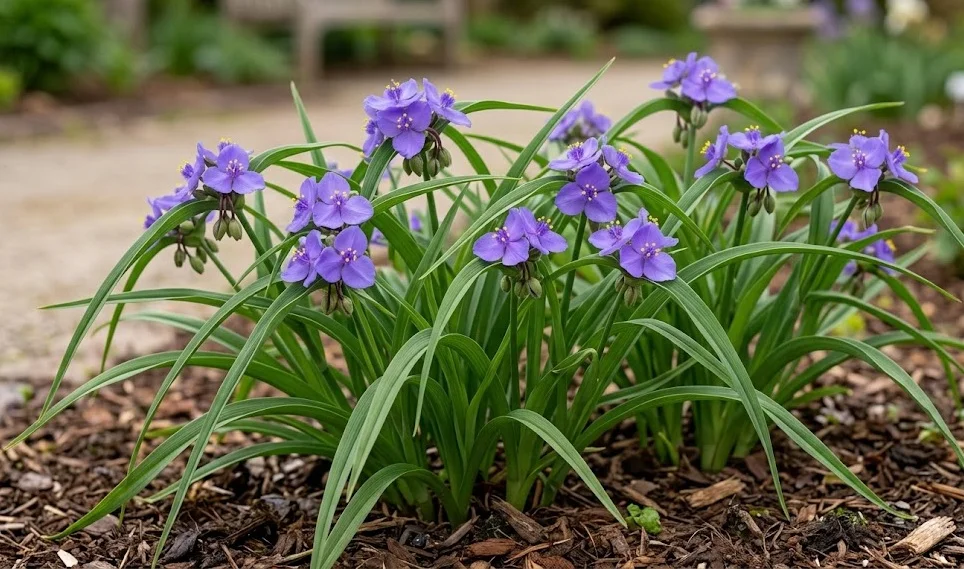

Establishing a new patch of garden spiderwort begins with choosing the perfect location and timing for the initial planting process. This plant is most successful when introduced to the garden during the cooler months of early spring or mid-autumn. During these periods, the soil is typically moist and the temperatures are mild, which reduces the transplant shock for the root system. Proper preparation of the planting site ensures that the specimen has the best possible start in its new home.
Before you begin digging, it is important to clear the area of any perennial weeds that might compete for nutrients. You should dig a hole that is at least twice as wide as the current root ball to allow for easy expansion. Incorporating a handful of well-rotted manure or organic compost into the bottom of the hole provides a slow-release nutrient boost. Once the plant is in place, firm the soil gently around the crown and water it thoroughly to eliminate any trapped air pockets.
Division is the most common and effective method for propagating this perennial, especially once the original clump has become too large. This process should ideally be carried out every three to four years to maintain the vigor of the plant. You simply need to lift the entire root mass from the ground using a sharp spade or a garden fork. Carefully separate the clump into smaller sections, ensuring that each new piece has a healthy set of roots and at least two or three growing shoots.
Growing garden spiderwort from stem cuttings is another viable option for those who want to expand their collection quickly. You should select healthy, non-flowering stems during the early summer and cut them into segments about four inches long. These cuttings can be placed in a glass of water or directly into a moist, sandy potting mix until they develop roots. Once a strong root system has formed, the young plants can be moved into individual pots or directly into a nursery bed for further growth.
Establishing young plants requires a bit more attention than maintaining mature specimens that are already well-rooted. You must ensure that the soil remains consistently damp during the first few weeks after planting or propagation. Providing a light layer of mulch can protect the delicate new roots from drying out or being exposed to extreme temperature fluctuations. As the young plants begin to show signs of new growth, you can gradually reduce the frequency of watering while still monitoring their overall health.