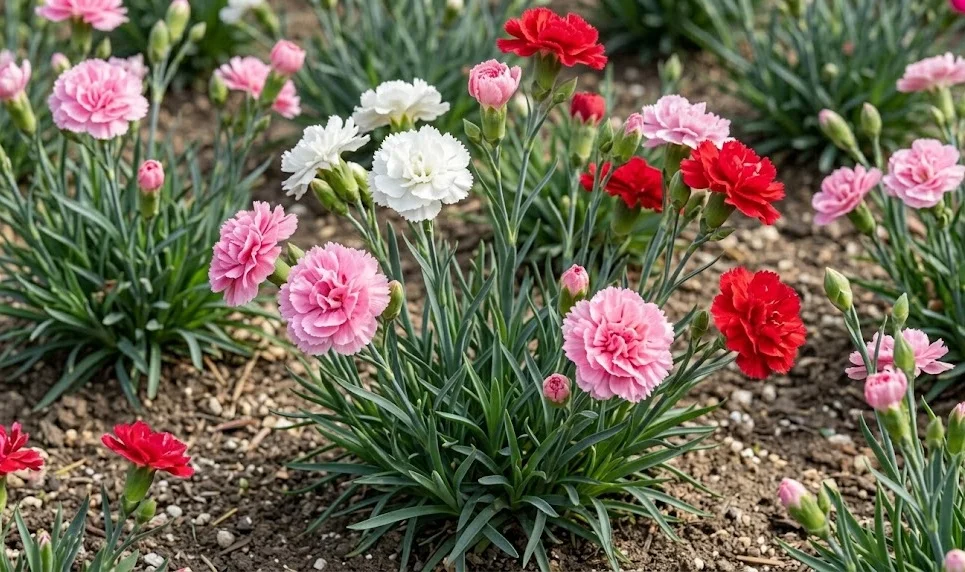

Managing the hydration and nutritional needs of these plants is a delicate balance that defines the success of a professional gardener. You must understand that neither extreme—too much or too little—is conducive to producing the high-quality blooms you desire. A systematic approach to watering and feeding will ensure that your plants remain resilient throughout the entire growing season. This expert article outlines the specific protocols required to optimize the growth and health of your garden collection.
The frequency of your watering routine should be dictated by the local weather conditions and the specific soil type in your garden. Sandy soils drain quickly and may require more frequent attention than heavy clay soils that hold moisture longer. You should always check the moisture level of the earth a few inches below the surface before adding more water. This simple habit prevents the common mistake of overwatering, which can lead to serious root health issues.
Fertilization provides the chemical building blocks that the plant needs to build strong stems and vibrant petals. You should choose a fertilizer with a balanced ratio of nitrogen, phosphorus, and potassium for general maintenance throughout the year. However, as the blooming season approaches, a formula higher in phosphorus can help boost the size and number of flowers. Professional feeding is not about the quantity of the product, but the timing and quality of the application.
Observation is your most valuable tool when it comes to fine-tuning your watering and feeding schedule. Plants often communicate their needs through the color and texture of their leaves and the strength of their stems. You should learn to recognize the subtle differences between a plant that is thirsty and one that is suffering from nutrient deficiencies. Mastering this internal language of plants is what separates the casual hobbyist from the true horticultural expert.
Principles of professional irrigation
Deep watering is much more effective for building a resilient root system than frequent, shallow sprinkling of the surface. You should aim to soak the soil thoroughly so that the moisture reaches the lower levels where the roots are most active. This encourages the roots to grow deeper into the earth, which helps the plant survive during periods of heat or drought. A deep root system is the plant’s best defense against environmental stress in the height of summer.
More articles on this topic
The time of day you choose to water can have a significant impact on the health of your garden. Watering in the early morning is widely considered the best practice by professional horticulturalists across the world. This allows the foliage to dry off quickly as the sun rises, which significantly reduces the risk of fungal infections. Avoid watering in the late evening, as damp leaves overnight are an open invitation for pests and diseases.
Using a drip irrigation system or a soaker hose is the most efficient way to deliver water directly to the base of the plant. This method minimizes evaporation and ensures that the water does not splash soil onto the delicate leaves and flowers. Keeping the foliage dry is a key strategy for maintaining a clean and healthy garden environment throughout the year. If you must water by hand, always aim the stream at the ground rather than the top of the plant.
During periods of extreme heat, you may need to adjust your routine to provide extra support to your garden beds. Mulching helps to retain soil moisture and keeps the roots cool, reducing the overall amount of water the plant needs. You should also be aware that container-grown plants dry out much faster than those planted directly in the ground. Professional management requires flexibility and the ability to respond quickly to changing weather patterns and environmental conditions.
Strategic nutrient application
Applying fertilizer at the right time in the growth cycle is essential for achieving the best possible results. You should start your feeding program in the early spring as the first new growth begins to appear from the crown. This initial boost provides the energy needed for the plant to establish a strong structure for the coming season. A second application in early summer can help sustain the plant through its most productive and energy-intensive flowering period.
More articles on this topic
Liquid fertilizers offer a quick way to deliver nutrients to the plant, especially if you notice signs of immediate deficiency. You can apply these products during your regular watering routine for an even distribution across the entire root zone. Slow-release granular fertilizers are also a great option for providing a steady stream of nutrition over several months. Choosing the right delivery method depends on your specific goals and the current health status of your garden.
Over-fertilization is a common problem that can lead to excessive foliage growth at the expense of beautiful flowers. Too much nitrogen can also make the stems weak and floppy, requiring you to provide extra physical support. You should always follow the manufacturer’s instructions regarding the dosage to avoid burning the sensitive roots with concentrated chemicals. A professional approach favors a “less is more” philosophy when it comes to chemical inputs in the garden.
Organic options like compost tea or seaweed extract are excellent for improving the overall health of the soil ecosystem. These natural products not only provide nutrients but also introduce beneficial microbes that help the plant absorb minerals. Using organic amendments is a sustainable way to build long-term fertility without relying solely on synthetic chemicals. Expert gardeners often use a combination of both organic and inorganic feeds to achieve the best of both worlds.
Managing moisture levels
The texture of the soil determines how effectively it can hold and release water to the roots of your plants. You should strive to maintain a “damp but not wet” consistency that allows for both hydration and oxygen exchange. Soil that stays saturated for too long will drown the roots and cause the plant to decline rapidly. Conversely, soil that dries out completely can cause the delicate root hairs to die, stunting the plant’s future growth.
Drainage is a critical factor that must be addressed before you even think about your watering schedule. If your garden is located in a spot where water tends to pool after a rainstorm, you may need to take corrective action. You can improve drainage by adding organic matter or building raised beds to lift the plants away from the saturated ground. Professional site preparation is the only way to ensure that your watering efforts are actually helping the plants.
Monitoring the weather forecast is an essential part of a professional gardener’s daily routine and planning process. If heavy rain is expected, you should hold off on supplemental watering to avoid flooding the root zones. During long dry spells, you may need to increase the volume of water you provide to keep the soil from becoming hydrophobic. Being proactive and staying ahead of the weather is a hallmark of an expert who understands the natural environment.
Signs of moisture stress are important to catch early so you can adjust your care routine before damage occurs. Wilting in the heat of the afternoon is normal, but if the plant is still wilted in the morning, it needs immediate water. Yellowing lower leaves can sometimes be a sign of overwatering rather than a lack of nutrients as many people assume. Developing a deep understanding of these visual cues is part of the professional journey in horticulture and garden care.
Nutrient deficiency and toxicity
Identifying specific nutrient problems requires a careful examination of the leaves and the overall growth patterns of the plant. A lack of iron often shows up as yellowing between the veins of the youngest leaves on the stem. Nitrogen deficiency usually manifests as a general paling of the entire plant, starting with the older, lower leaves. Recognizing these patterns allows you to apply a targeted remedy rather than using a general-purpose product that might not help.
Toxic levels of certain minerals can be just as damaging as a deficiency and are often harder to correct in the soil. High salt levels from excessive synthetic fertilizer use can cause the edges of the leaves to look burnt or brown. If you suspect toxicity, you may need to flush the soil with large amounts of clean water to leach out the excess chemicals. Professional soil testing is the only way to accurately diagnose these complex chemical issues in your garden beds.
The pH level of your soil acts as a gatekeeper for the availability of almost all essential plant nutrients. If the soil is too acidic or too alkaline, the plant may be unable to absorb minerals even if they are present. You should test your soil regularly and adjust the pH using lime or sulfur as needed to keep it in the optimal range. Maintaining chemical balance is a continuous process that requires attention and expertise over several growing seasons.
Micronutrients like boron, zinc, and manganese are only needed in tiny amounts but are still vital for healthy plant development. Many high-quality fertilizers include these trace elements to ensure that all the plant’s biological needs are met. You can also use foliar sprays to provide a quick boost of micronutrients directly through the leaves during the growing season. This advanced technique is a favorite among professional growers who want to achieve perfection in their floral displays.
Professional seasonal adjustments
As the seasons transition from the heat of summer to the coolness of autumn, you must reduce your inputs significantly. The plant’s metabolism slows down, and it no longer needs the same volume of water or high-energy nutrients. Over-watering during the late season can encourage soft growth that is easily damaged by the first frost of winter. Professional care involves tapering off your efforts to allow the plant to enter its natural state of dormancy.
During the winter months, your primary concern is preventing the soil from completely drying out during a long freeze. While the plant is dormant, it still loses a tiny amount of moisture through its stems and any remaining foliage. If the ground is dry when a deep freeze hits, the roots are more likely to suffer from desiccation and cold damage. A single deep watering during a mid-winter thaw can sometimes be a lifesaver for your perennial garden plants.
When spring arrives, you should wait until you see the first signs of green growth before you start your full watering and feeding program. Starting too early can waste fertilizer and potentially harm the soil if the ground is still too cold for biological activity. Use the warming soil temperatures as your guide for when to resume your intensive professional care routine. This seasonal awareness ensures that you are working in harmony with the natural rhythms of the garden.
The ultimate goal of your watering and fertilization strategy is to create a self-sustaining and resilient garden environment. By focusing on soil health and proper techniques, you reduce the plant’s dependence on constant human intervention. An expert gardener strives to understand the complex relationship between water, nutrients, and the living soil to achieve lasting beauty. Consistency, observation, and scientific knowledge are the keys to professional success in any gardening endeavor.