
To properly understand the concept of overwintering the garden burning bush, one must first recognize that this species is a true annual. This means that its entire lifecycle—from germination to flowering and seed production—is completed within a single growing season. Unlike perennial shrubs that enter a dormant state to survive the cold, the individual burning bush plant will naturally die once the first hard frosts of autumn arrive. Therefore, “overwintering” in this context refers to the preservation of the next generation through seed management and site preparation.
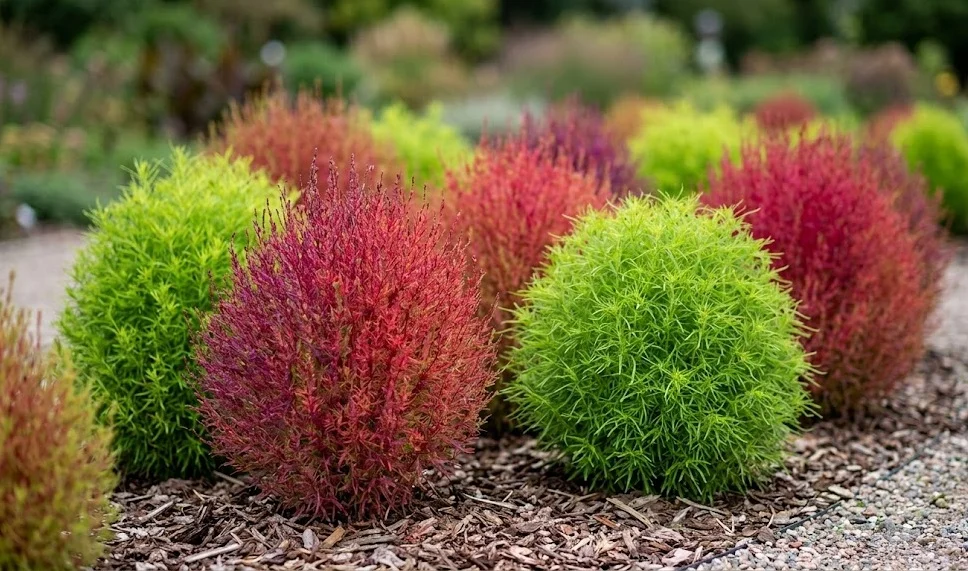
As the temperatures begin to drop in late autumn, the plant undergoes a dramatic physiological shift. The brilliant red color that enthusiasts love is actually a sign that the plant is withdrawing nutrients from its leaves and focusing its final energy on maturing its seeds. Once this process is complete, the stems will turn brown and brittle, and the plant will no longer be biologically active. Understanding this inevitable conclusion allows the gardener to transition from active care to end-of-season management.
The death of the parent plant is not a failure of care but a natural part of the garden’s rhythm. In its native habitats, the dried skeleton of the bush often breaks off at the base and rolls across the landscape as a “tumbleweed,” dispersing seeds as it goes. While this is less common in a manicured garden setting, the principle remains the same: the plant has fulfilled its purpose. Professional gardeners use this time to assess the success of the season and plan for the year ahead.
Preparing the garden for the winter months involves a shift in perspective from the individual plant to the soil and the landscape as a whole. While the burning bush itself will not return, the seeds it leaves behind are remarkably hardy and capable of surviving extreme cold. By managing these seeds correctly, you ensure that the vibrant display can be recreated when the soil warms up again in the spring. This cyclical nature is what makes gardening with annuals such a dynamic and rewarding practice.
Harvesting seeds
The most effective way to “overwinter” the presence of the garden burning bush in your landscape is to harvest and store its seeds. This ensures that you have a fresh supply of high-quality genetic material ready for planting in the spring. Wait until the plant has fully transitioned from its red phase to a dry, tan color before attempting to collect the seeds. The tiny, dark seeds are located within small pods along the branches and will easily fall out when the plant is shaken.
More articles on this topic
To harvest, you can place a large sheet or a shallow container beneath the plant and gently beat the branches to dislodge the seeds. Alternatively, you can cut the entire plant at the base and place it head-first into a large paper bag. Store the bag in a dry location for a week or two to allow any remaining moisture to evaporate. This process ensures that the seeds do not mold during their winter storage period, which is a common cause of germination failure.
Once the seeds are dry, they should be cleaned by removing any large pieces of stems or leaves. This can be done by passing the material through a coarse sieve or simply by blowing away the lighter chaff. Store the cleaned seeds in a paper envelope or a glass jar in a cool, dark, and dry place. Labeling the container with the date and the specific characteristics of the parent plant will help you keep track of your inventory.
If you prefer a more hands-off approach, you can simply leave a few plants in place to self-seed naturally. The seeds will drop to the ground and remain dormant under the snow or mulch until the conditions are right for germination. However, keep in mind that this provides less control over the exact placement of the new plants. Many professional gardeners choose a hybrid approach, harvesting some seeds for precise planting while allowing others to naturalize.
Winter soil management
Once the seeds have been harvested or allowed to fall, the remaining skeletal structure of the burning bush should be removed. Pulling the plants out by the roots is generally easy, as the root system of an annual is not as deep or extensive as that of a perennial. Removing the old material prevents it from becoming a harbor for overwintering pests or fungal spores that could plague next year’s garden. Composting the healthy remains is an excellent way to recycle the nutrients back into your garden ecosystem.
More articles on this topic
After the plants are removed, take the opportunity to inspect and amend the soil in the bed. Adding a layer of well-rotted compost or leaf mold in the late autumn allows the material to break down further over the winter months. This enriches the soil structure and provides a nutrient-rich foundation for the seedlings that will emerge in the spring. Avoiding the use of heavy machinery when the soil is wet will prevent compaction and maintain the airy structure the burning bush prefers.
Mulching the empty beds is another important step in professional winter garden care. A layer of straw, wood chips, or shredded leaves protects the soil from erosion and helps maintain a more stable temperature. If you are relying on self-seeded plants, a light mulch will not prevent them from germinating, but it will help protect the seeds from being eaten by birds or washed away by heavy rains. A well-mulched bed also looks much more attractive during the bleak winter months.
This is also the ideal time to consider the overall layout of your garden for the coming year. If you found that the burning bushes were too crowded or didn’t get enough sun, you can plan to adjust their location. Winter is a period of reflection and strategy for the professional horticulturist. By taking care of the soil and the site now, you are setting the stage for a much easier and more successful growing season when spring returns.
Preparing for spring germination
As winter begins to fade and the first signs of spring appear, it is time to prepare for the return of the garden burning bush. If you have stored seeds, check them for any signs of damage or moisture before you begin the sowing process. If you are relying on self-seeded plants, keep a close eye on the soil as it warms up. The tiny green shoots of the burning bush are often among the first to appear, sometimes even before the last frost.
If you notice a huge number of volunteers emerging in one area, be prepared to thin them out early. Allowing too many plants to grow in a small space will lead to weak, spindly specimens that lack the beautiful rounded form of the species. Thinning is best done when the seedlings are just an inch or two tall, making it a quick and easy task. This early intervention ensures that the remaining plants have all the resources they need to thrive.
The timing of your spring preparations will depend heavily on your local climate and the specific weather patterns of the year. If the spring is particularly cold and wet, you may want to delay any direct sowing until the soil has dried out a bit. Conversely, an early warm spell might mean that the seeds germinate sooner than expected. Flexibility and observation are the hallmarks of an expert gardener during this transition period.
Finally, remember that the garden burning bush is a resilient and adaptable plant that has evolved to thrive in changing conditions. Even if the winter was particularly harsh, the seeds are designed to survive and wait for their moment. By following these overwintering and preparation steps, you ensure a continuous cycle of beauty in your garden. The transition from the old year to the new is a time of great potential and excitement in the world of horticulture.