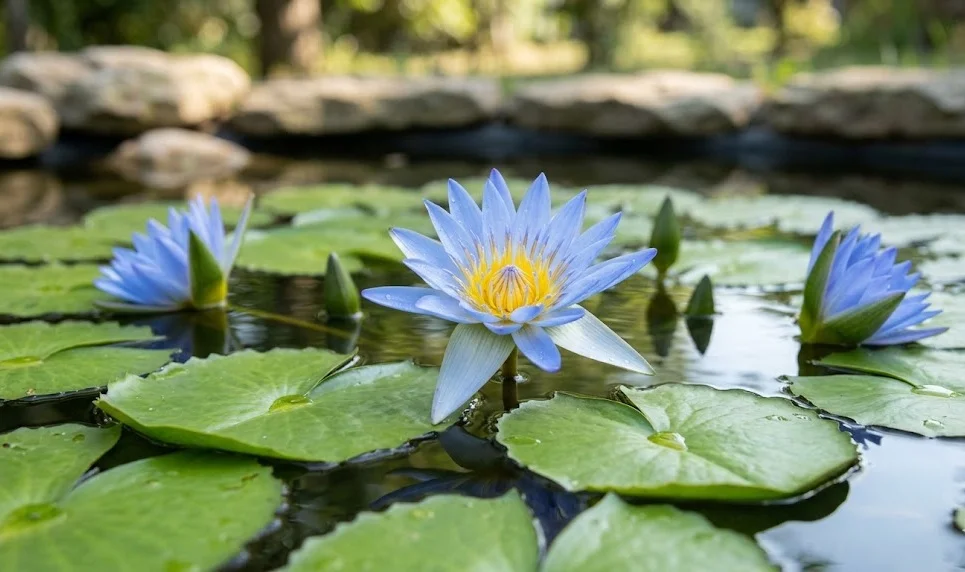

Overwintering the blue water lily is a critical process for gardeners in climates where temperatures drop below freezing. Because this species is naturally adapted to tropical and subtropical regions, it cannot survive being frozen in ice. Preparing the plant for its dormant period requires careful timing and a specific set of technical steps to protect the rhizome. Professional overwintering ensures that the plant remains viable and ready to burst back into growth once the warmth of spring returns.
Preparing for dormancy in autumn
As the days grow shorter and the water temperature begins to dip, the blue water lily will naturally start to slow its growth. You will notice that fewer new leaves are produced, and the existing foliage may begin to turn yellow or brown. This is the plant’s way of signaling that it is entering its dormant phase and moving its energy reserves down into the rhizome. Professional gardeners use this period to gradually reduce any supplemental feeding to avoid encouraging weak, late-season growth.
The first active step in overwintering is to remove all the dying foliage and any remaining flower stalks from the plant. This cleaning process is essential because leaving dead organic matter on the plant can lead to rot during the winter months. Use a pair of sharp, sterilized shears to cut the stems as close to the rhizome as possible without damaging the central crown. This leaves the plant tidy and reduces the risk of fungal infections while it is in storage.
It is important to monitor the pond temperature closely during late autumn to determine the best time for relocation. Ideally, the plant should stay in the pond as long as possible to maximize its natural dormancy cycle, but it must be removed before the water surface freezes. A professional-grade pond thermometer is an invaluable tool for this stage of care. Once the water temperature consistently stays below ten degrees Celsius, it is generally time to take action.
If you have multiple plants, it is helpful to label each pot clearly before they are moved into winter storage. Since the leaves will be gone, it can be difficult to distinguish different varieties or species once they are just pots of soil. Using waterproof labels or marking the containers themselves ensures that you can plan your spring pond layout with accuracy. This organizational step is a hallmark of a professional approach to seasonal garden management.
More articles on this topic
Indoor storage techniques for colder climates
For gardeners in regions with harsh winters, bringing the blue water lily indoors is often the only way to ensure its survival. The most common method involves removing the pot from the pond and allowing the excess water to drain away. The rhizome should remain in its soil, as the substrate provides a protective buffer against temperature changes and prevents the roots from drying out. Place the entire pot inside a heavy-duty plastic bag or a plastic tub to contain moisture.
The storage environment should be cool but frost-free, with a target temperature range of five to ten degrees Celsius. A dark basement, a heated garage, or a root cellar are often ideal locations for this purpose. It is important that the plant does not experience high temperatures, as this could trick it into breaking dormancy too early. Keeping the plant in the dark also helps maintain its dormant state by preventing any photosynthetic activity.
During the storage period, the soil must be kept consistently damp but never waterlogged or dripping wet. Checking the moisture level once a month is a professional standard that prevents the rhizome from shriveling and dying. If the soil feels dry to the touch, add a small amount of water to maintain a humid environment within the plastic bag. Over-watering during this time is a common mistake that can lead to anaerobic rot, so a careful balance is necessary.
Air circulation is another factor to consider, even when the plant is in a plastic bag for moisture retention. It is best to leave the top of the bag slightly open or poke a few small holes in the plastic to allow for gas exchange. This prevents the buildup of stale air and gases that could encourage the growth of mold or mildew on the soil surface. By following these indoor storage steps, you can keep the blue water lily safe until the environmental conditions are favorable again.
More articles on this topic
Deep water overwintering in milder zones
In areas where the pond does not freeze solid to the bottom, it may be possible to overwinter the lily by moving it to deeper water. The goal is to position the pot below the “frost line” of the pond, where the water temperature remains stable and above freezing. For most professional ponds, this means a depth of at least sixty to ninety centimeters, depending on the local climate. This method is much less labor-intensive than indoor storage and allows the plant to stay in its natural environment.
Before lowering the pot, ensure that it is completely free of any dead or decaying plant material that could pollute the deep water. The pot should be placed on a flat, stable area of the pond floor where it will not tip over during the winter months. It is also a good idea to ensure the pot is weighted down with stones so that it remains securely anchored. This method relies on the thermal mass of the water to protect the rhizome from the fluctuating air temperatures above.
If you choose this method, it is still vital to keep the pond surface from freezing completely over for extended periods. An ice-covered pond can trap harmful gases produced by decomposing organic matter at the bottom, which can be toxic to the submerged lily. Using a pond de-icer or a small air pump to keep a small hole open in the ice is a professional necessity. This allows for gas exchange and ensures the water remains healthy for both the plant and any overwintering fish.
Monitoring the pond throughout the winter involves checking that the water levels remain high enough to cover the pots. Evaporation or leaks can cause the water level to drop, potentially exposing the lilies to the freezing air. If the water level does drop, it must be topped off with water that is as close to the pond’s temperature as possible. This “in-pond” method is highly successful for established plants and mimics the natural overwintering process in their native habitats.
Transitioning back to the growing season
The transition out of winter storage is a delicate process that must be timed perfectly with the rising spring temperatures. As the days lengthen and the risk of a hard frost passes, the plant will naturally begin to show signs of life. For indoor-stored lilies, this might involve the appearance of tiny new shoots at the center of the crown. This is the signal to begin the process of “hardening off” the plant before it returns to its permanent home in the pond.
Start by moving the pot to a brighter and slightly warmer area for a few days to stimulate the metabolic processes. If the plant was stored in a bag, remove the plastic and give the soil a thorough watering to refresh the roots. Once the pond water has reached a consistent temperature of around fifteen degrees Celsius, the lily can be moved back outdoors. It is professional practice to start the plant in a shallow area of the pond initially to take advantage of the warmer surface water.
Inspect the rhizome carefully during this transition for any signs of winter damage or rot. If any parts of the rhizome feel soft or mushy, they should be trimmed away with a sterilized knife to prevent the spread of decay. This is also an excellent time to refresh the top layer of soil or add a slow-release fertilizer tablet to support the new growth. Starting the season with a healthy and well-fed plant ensures a spectacular display of blue flowers in the coming months.
Finally, be prepared to protect the plant if a late-season cold snap occurs after it has been returned to the pond. If a hard freeze is predicted, temporarily moving the pot to deeper water or covering the pond surface can prevent damage to the new, tender leaves. This level of attentiveness is what separates a professional aquatic gardener from a casual observer. With a successful overwintering complete, the blue water lily is ready to reclaim its place as the centerpiece of the garden.