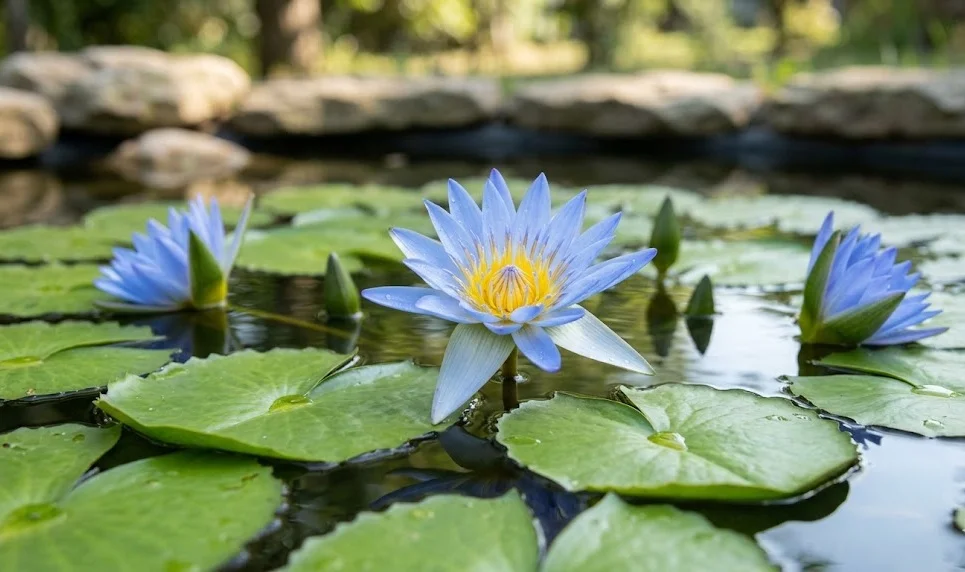

The process of establishing a blue water lily begins with a precise planting technique that respects the unique anatomy of its rhizome. Unlike terrestrial plants, this aquatic species requires a heavy substrate and a specific depth to ensure its roots remain anchored while its leaves reach for the surface. Propagation is an equally technical endeavor that allows a gardener to expand their collection or share this stunning plant with others. Mastering these methods is the first step toward creating a thriving and sustainable aquatic display in any professional garden.
Initial planting and substrate preparation
Successful planting starts with the selection of a heavy, loamy soil that will not float away when submerged in the pond. It is best to avoid commercial potting soils containing perlite or vermiculite, as these materials will immediately rise to the surface and create a mess. A mixture of heavy garden soil and a small amount of well-decomposed organic matter provides the ideal density for root anchorage. The goal is to create a firm base that mimics the natural silty bottom of a river or lake.
The container used for planting should be broad and relatively shallow to accommodate the horizontal growth of the rhizome. A heavy plastic tub or a specialized aquatic planting basket is perfect for this purpose, provided it is large enough to allow for at least two years of growth. When placing the rhizome into the soil, it should be positioned at a slight angle with the growing tip pointing toward the center. This placement gives the plant plenty of room to expand across the surface of the substrate as it matures.
Once the rhizome is settled, it is important to cover the soil with a layer of clean, washed gravel or small decorative stones. This layer serves several professional purposes, including preventing the soil from clouding the water and keeping curious fish from disturbing the roots. The weight of the stones also ensures that the entire pot stays firmly at the bottom of the pond during heavy rain. Careful attention to these details during the initial planting phase sets the stage for a healthy and vigorous growing season.
Lowering the newly planted lily into the pond must be done slowly to avoid disturbing the carefully prepared soil and gravel. It is often recommended to place the pot on a stack of underwater bricks initially, so it is not at its full final depth. As the leaves begin to grow and reach the surface, the pot can be lowered incrementally until it reaches its permanent position. This gradual adjustment helps the young plant transition to its new environment without using up all its stored energy reserves.
More articles on this topic
Propagation through rhizome division
Division is the most common and effective method for propagating established blue water lilies and should be done during the early spring. This process involves lifting the mature plant from its container and carefully washing away the old soil to expose the rhizome structure. A healthy rhizome will have several growing points or “eyes,” which are the areas where new leaves and flowers emerge. Using a sharp, sterilized knife, the gardener can cut the rhizome into sections, ensuring each piece has at least one strong eye.
After the cuts are made, it is professional practice to treat the exposed ends with a fungicidal powder or charcoal to prevent rot. Each new section can then be planted into its own container using the same heavy soil and gravel technique described previously. It is important to replant these divisions as quickly as possible to prevent the delicate root hairs from drying out. Keeping the divisions in a bucket of water during the process is an excellent way to maintain their hydration.
The newly divided plants will need a few weeks to establish their roots before they begin producing significant surface foliage. During this period, they should be kept in a relatively shallow area of the pond where the water is slightly warmer. Warmth stimulates root development and helps the plant recover from the stress of being cut and moved. Many gardeners find that divided plants often bloom within their first season if they are given proper care and plenty of sunlight.
Dividing the plant every few years not only provides new specimens but also rejuvenates the original mother plant. An overcrowded rhizome will often produce smaller flowers and fewer leaves as it becomes cramped within its pot. By removing the excess growth, the gardener allows the main plant to refocus its energy on producing large, high-quality blooms. This cyclical process is a fundamental part of maintaining a professional-grade aquatic garden over the long term.
More articles on this topic
Growing from seeds
Propagating the blue water lily from seeds is a fascinating process that requires patience and a controlled environment. The seeds are typically collected from the spent flower pods after they have matured and burst underwater in late summer. These seeds are very small and are covered in a gelatinous coating that helps them float and disperse in the wild. For controlled propagation, these seeds should be collected and cleaned before being stored in a jar of water in a cool place.
To start the germination process, the seeds should be sown in a shallow tray filled with a fine, silty aquatic soil. The tray is then submerged in a container of warm water, ideally kept at a constant temperature of around twenty-five degrees Celsius. Sunlight is essential for germination, so placing the container in a bright greenhouse or on a sunny windowsill is necessary. Within a few weeks, tiny green shoots should begin to emerge from the soil, signaling the start of a new generation.
As the seedlings grow, they will produce small, translucent “submerged” leaves before eventually sending up their first true floating pads. Once the seedlings have developed three or four floating leaves and a visible root system, they are ready to be transplanted. Each seedling should be carefully moved into its own small pot, taking care not to damage the extremely fragile stems. This early stage is the most delicate part of the plant’s life cycle and requires consistent water levels and temperatures.
Growing from seeds is a slow method, and it may take two or even three years before the new plants are large enough to bloom. However, this approach allows for the possibility of natural variation and the development of plants that are perfectly adapted to the local environment. For the professional enthusiast, the satisfaction of seeing a lily bloom for the first time from a seed they sowed is unparalleled. It is a true test of horticultural skill and dedication to the craft of aquatic gardening.
Establishing young plants in the pond
The transition of a young, propagated plant into the main pond environment is a critical phase that determines its future success. Whether grown from a division or a seed, the plant must be introduced to the larger body of water gradually. Sudden changes in water chemistry or temperature can shock the young tissues and lead to a setback in growth. Starting them in a “nursery” area of the pond, where the water is shallower and more protected, is a professional strategy.
Monitoring the growth rate of the young leaves provides a clear indication of when the plant is ready for deeper water. Once the stems are thick and the leaves are reaching the surface with vigor, the pot can be moved to its final location. It is important to ensure that the young plant is not placed in an area with high water movement from fountains or waterfalls. Gentle water is necessary to allow the young lily pads to settle on the surface without being submerged or damaged.
Fertilization should be delayed until the young plant shows signs of active growth and has established a solid root system. Adding nutrients too early can lead to algae blooms in the pot, which might compete with the small plant for resources. Once established, a low dose of aquatic fertilizer can be introduced to help the plant build the energy needed for its first flowering cycle. This cautious approach ensures that the plant develops a strong foundation before it is pushed to produce blooms.
Finally, keeping a close eye on potential pests like snails or aphids is vital for the survival of young, propagated lilies. Their tender leaves are particularly attractive to aquatic grazers, and a small infestation can quickly overwhelm a young specimen. Manual removal of pests or the use of biological controls is preferred over chemical treatments in a pond environment. By protecting these young plants during their first year, the gardener ensures the continuity and beauty of their blue water lily collection.